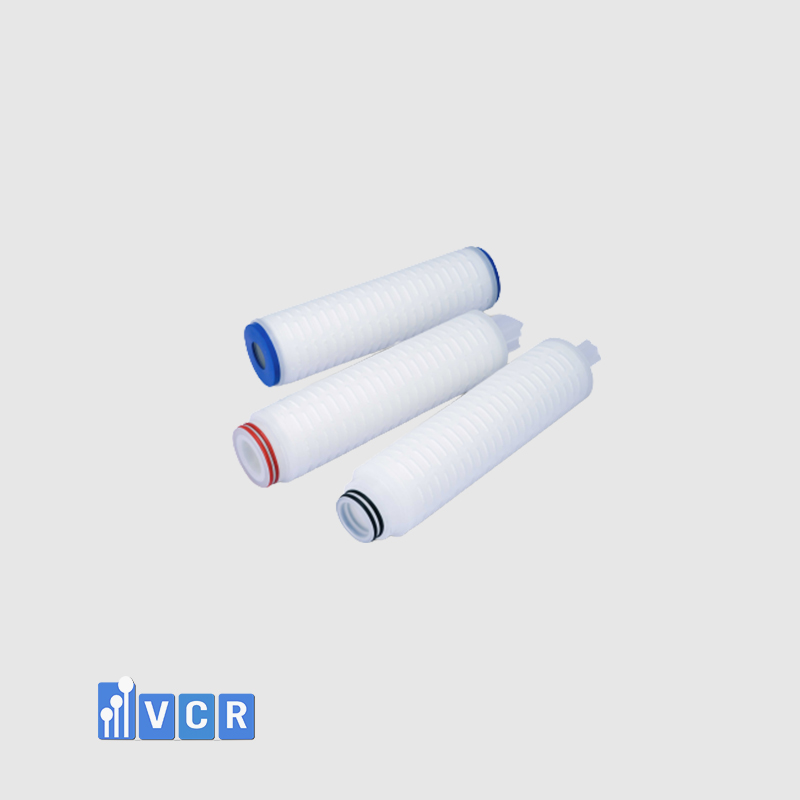
- What Is a 20-Inch Pleated Filter Cartridge?
- Where Can You Buy Reliable 20-Inch Pleated Filter Cartridges in Son La?
- Why Are Two 20-Inch Cartridges Not Always Compatible with the Same Housing?
- Why Is “20-Inch, 5-Micron” Not Enough?
- Should You Choose 1, 5, 10, or 20 Microns?
- Should a 10-Micron Cartridge Be Changed to 5 Microns?
- Nominal vs. Absolute Filtration Ratings
- Selecting PP, PES, PTFE, or Nylon
- Why Does Filtration Area Matter?
- When Should Prefiltration Be Considered?
- 20-Inch Cartridges for Factory Water Systems
- 20-Inch Cartridges for Cleanroom Applications
- 20-Inch Cartridges for Pharmaceutical and Medical Device Plants
- 20-Inch Cartridges for Food and Beverage Plants
- 20-Inch Cartridges for Electronics Manufacturing
- 20-Inch Cartridges for Chemicals and Process Liquids
- Why Must End Connections Be Checked?
- Can Gaskets and O-Rings Be Changed Freely?
- Can Another Brand Replace the Existing Cartridge?
- Can One 20-Inch Cartridge Be Replaced by Two 10-Inch Cartridges?
- When Should a 20-Inch Cartridge Be Replaced?
- Why Record Differential Pressure After Installing a New Cartridge?
- Why Can a 20-Inch Cartridge Clog Quickly?
- Should a Cartridge with a Larger Filtration Area Be Considered?
- How Can an Unlabeled 20-Inch Cartridge Be Identified?
- Why Can Two 20-Inch, 5-Micron Cartridges Have Different Prices?
- Common Mistakes When Buying 20-Inch Pleated Filter Cartridges
- What Technical Documents Should Be Requested?
- What Information Is Required for an Accurate Quotation?
- How to Choose a Reliable 20-Inch Pleated Filter Cartridge Supplier in Son La
- Vietnam Cleanroom Equipment Supplies 20-Inch Pleated Filter Cartridges in Son La
- Conclusion
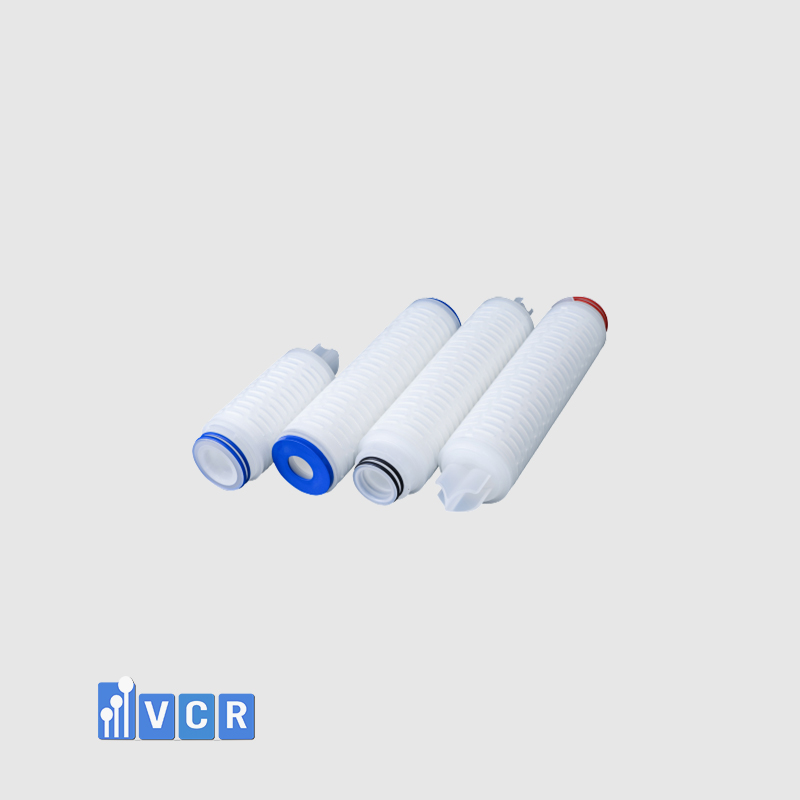
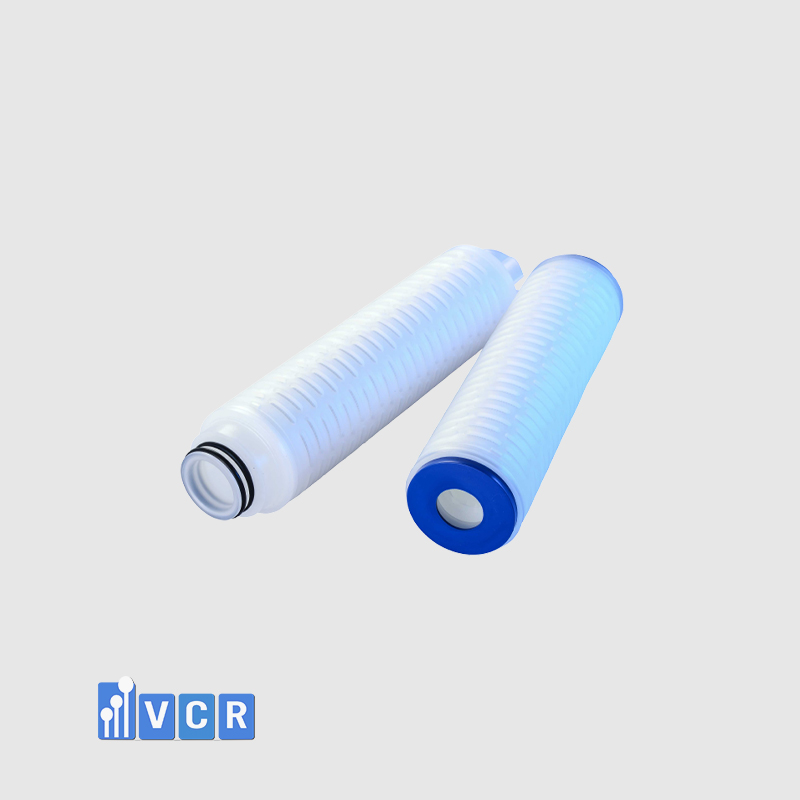
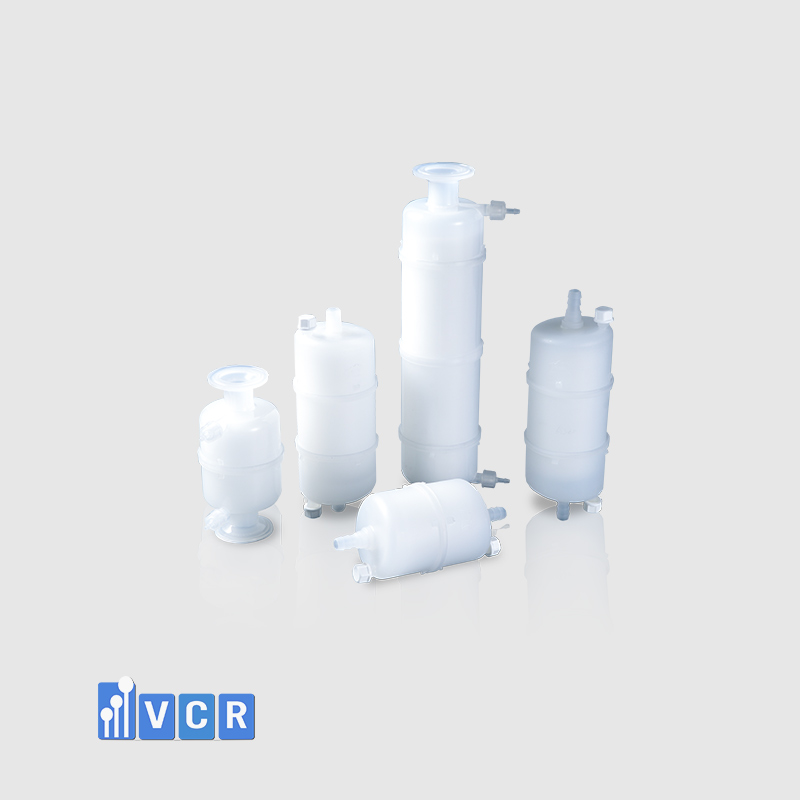
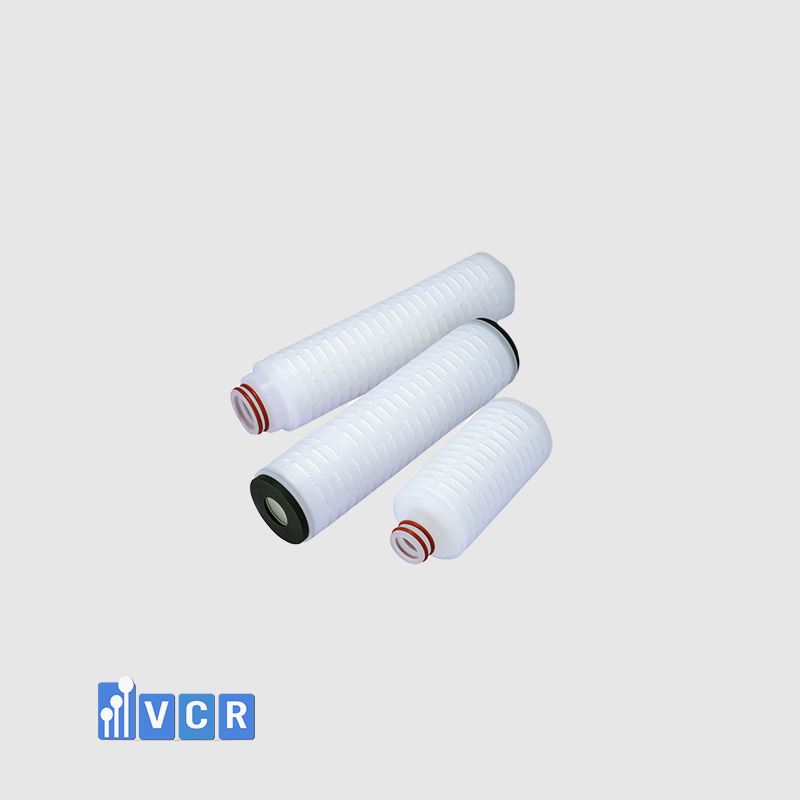
What Is a 20-Inch Pleated Filter Cartridge?
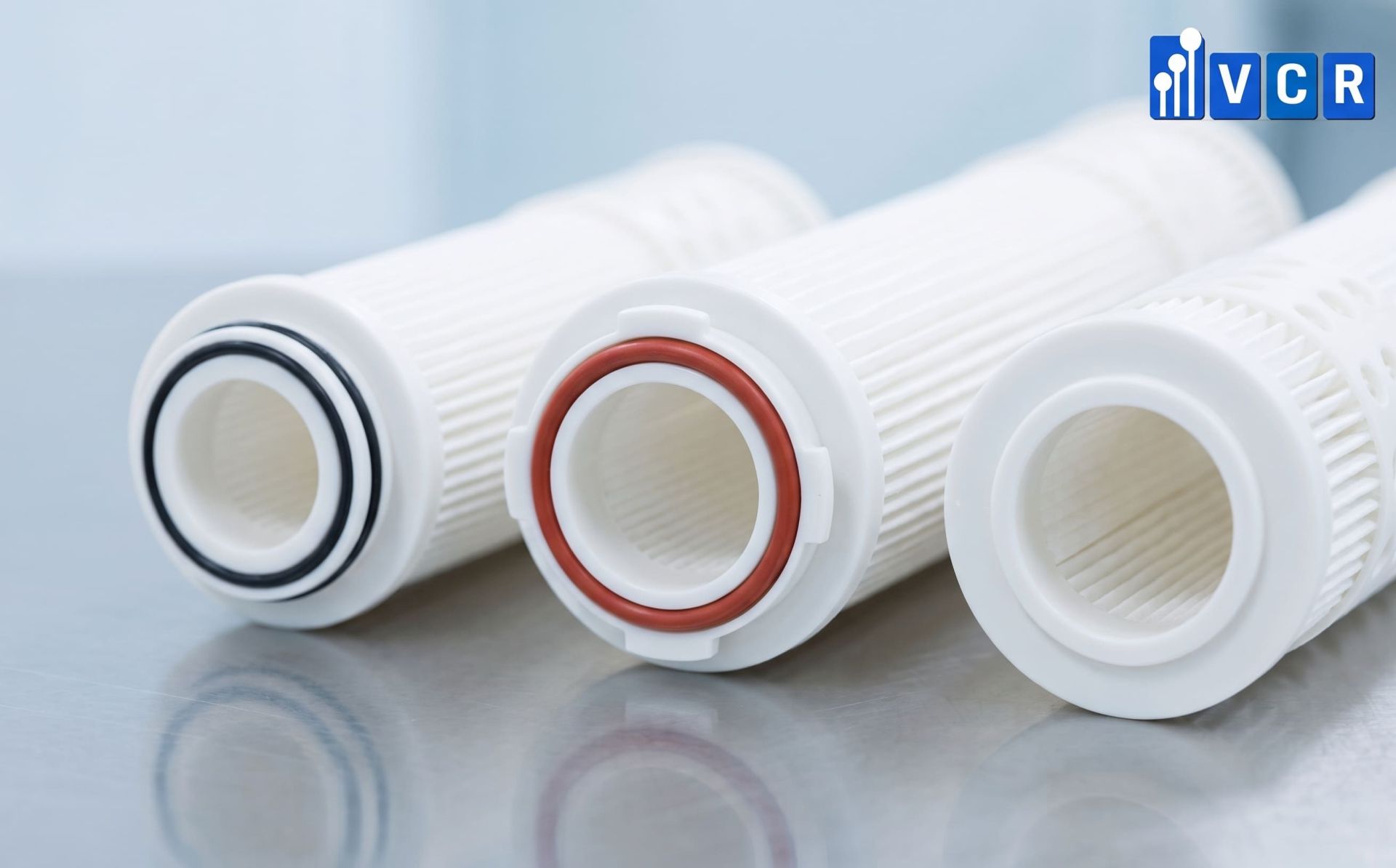
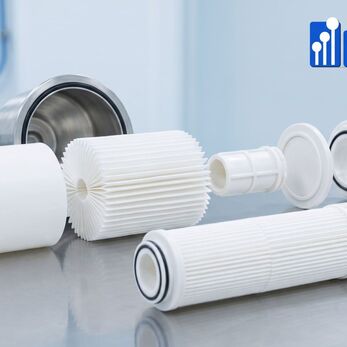
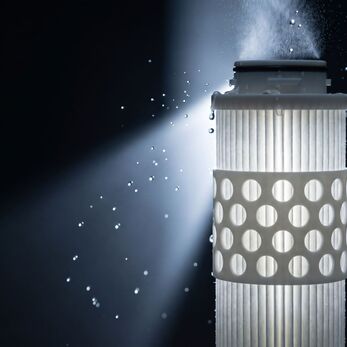
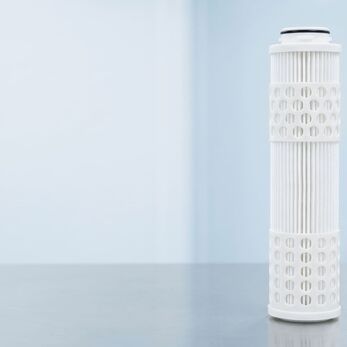
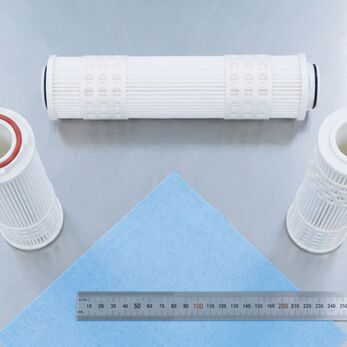
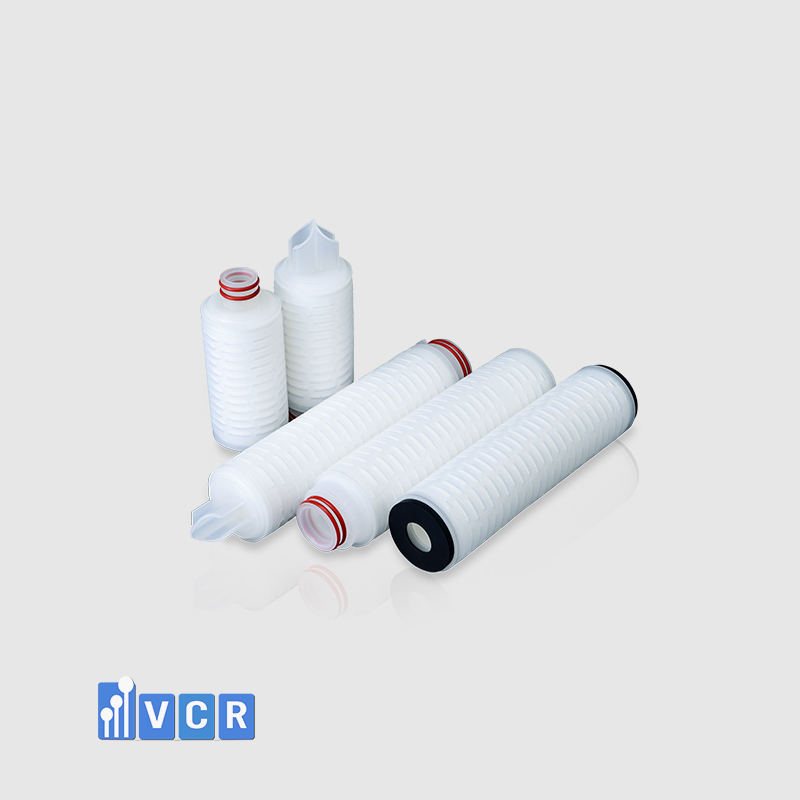
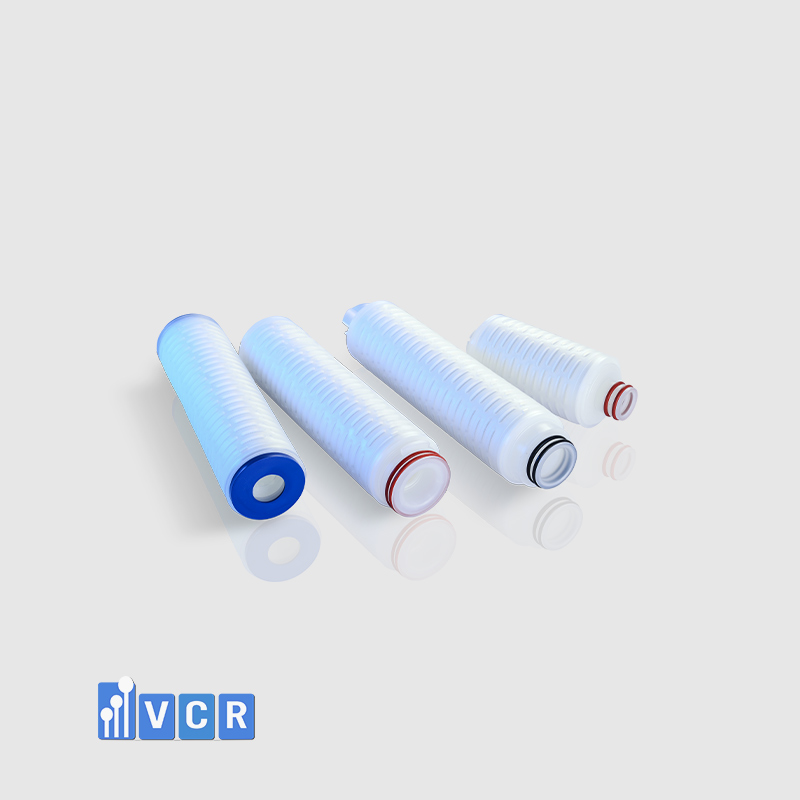
A pleated filter cartridge uses filter media folded into multiple pleats to increase the available filtration area within a relatively compact element.
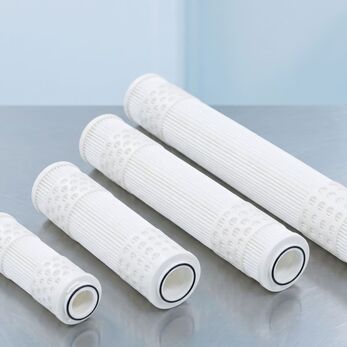
A nominal 20-inch cartridge corresponds to approximately 508 mm in length. Actual overall dimensions may vary according to cartridge construction and end-connection configuration.
The term “pleated” describes the folded media structure rather than a specific material. Depending on the application, filter media may include polypropylene, PES, PTFE, nylon, glass fiber, or other specialized materials.
Nominal length is therefore only one part of the information required for accurate replacement selection.
Where Can You Buy Reliable 20-Inch Pleated Filter Cartridges in Son La?
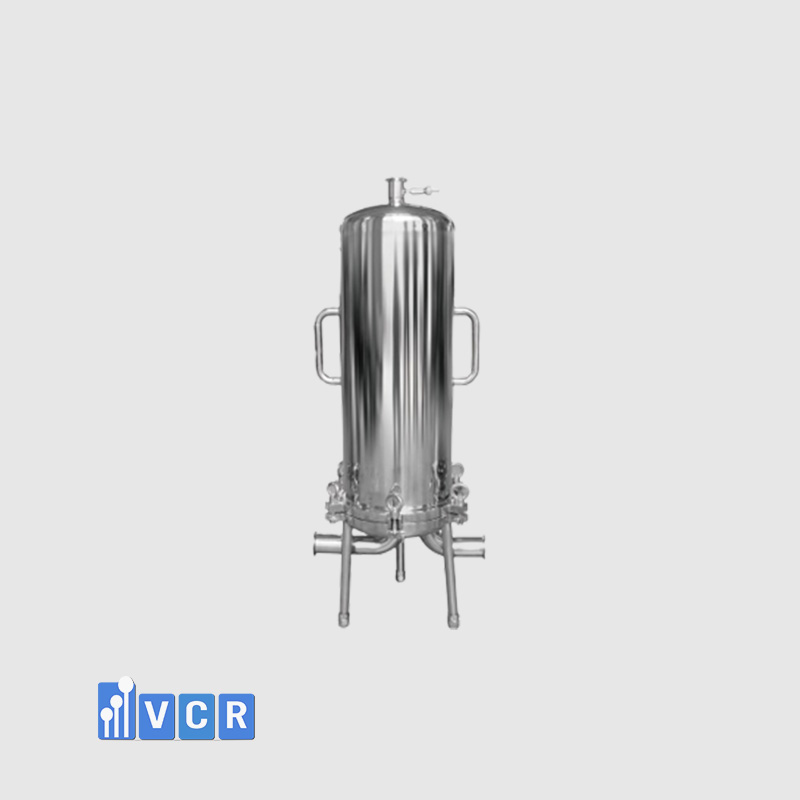
Factories and contractors looking for cartridges in Son La should select suppliers capable of reviewing the existing technical configuration rather than providing quotations based only on nominal length and micron rating.
Vietnam Cleanroom Equipment – VCR Cleanroom supplies filtration products for factories, cleanroom contractors, HVAC contractors, and controlled manufacturing applications.
For replacement requirements, customers should provide the complete existing model, product label, catalogue, or datasheet whenever available.
If the model is unreadable, photographs of the complete cartridge and both end connections, dimensions, process fluid, and existing micron rating can support identification.
This helps reduce the risk of purchasing a cartridge with the correct nominal length but an incompatible housing or filtration configuration.
Why Are Two 20-Inch Cartridges Not Always Compatible with the Same Housing?
Twenty inches represents nominal length rather than the complete installation specification.
Two cartridges with the same nominal length may have different overall dimensions, outside diameters, end constructions, connections, and sealing arrangements.
They may therefore be incompatible with the same filter housing.
Even when mechanical dimensions are suitable, filter media and particle-retention characteristics can differ.
Both mechanical configuration and filtration requirements should be reviewed before confirming a replacement.
Why Is “20-Inch, 5-Micron” Not Enough?
This information is useful for preliminary identification but does not completely specify a cartridge.
Two 20-inch, 5 µm cartridges may use different filter media, provide different filtration areas, and have different particle-retention performance. Outside diameter, end connections, sealing materials, and operating limits may also differ.
A complete model number or detailed existing specification provides a better basis for quotation and replacement selection.
Should You Choose 1, 5, 10, or 20 Microns?
The filtration rating should be selected according to the objective of each process stage.
A smaller micron rating targets smaller particles, but it does not automatically improve overall system performance.
If incoming contaminant loading is high, an unnecessarily fine cartridge may develop differential pressure rapidly. Conversely, a cartridge that is too coarse may not achieve the required output quality.
Incoming fluid quality, required output quality, operating flow, and filtration sequence should all be considered.
Should a 10-Micron Cartridge Be Changed to 5 Microns?
Not simply to obtain finer filtration.
Changing from 10 µm to 5 µm can increase resistance and shorten cartridge service life where contaminant loading is high.
Conversely, changing from 5 µm to 10 µm may affect output quality where tighter particle control is required.
Changes in filtration rating should therefore be based on process requirements and operating data.
Nominal vs. Absolute Filtration Ratings
Nominal and absolute filtration ratings should not be treated as equivalent.
Two cartridges both labeled 5 µm may not provide the same particle-retention performance.
Actual performance depends on filter media, media construction, efficiency definitions, and manufacturer test methods.
For tightly controlled applications, performance data should be reviewed rather than relying only on the stated micron rating.
Selecting PP, PES, PTFE, or Nylon
Filter media should be selected according to the process fluid and operating conditions.
Polypropylene is widely used for many liquid-filtration applications because of its broad application range. PES may be considered for selected water systems or processes requiring specific membrane characteristics.
PTFE is often considered where higher chemical compatibility or specialized operating conditions are required. Nylon also has its own application range.
The existing filter medium should not be changed without checking compatibility with the process fluid, temperature, and process requirements.
Why Does Filtration Area Matter?
Pleated construction provides a relatively large filter-media area within a compact cartridge.
However, not every 20-inch cartridge has the same filtration area.
Pleat count, pleat depth, filter material, and support-layer construction can vary between models.
Filtration area is one factor affecting flow capability, contaminant capacity, and differential pressure.
Two cartridges with the same nominal length and micron rating can therefore provide different service characteristics.
When Should Prefiltration Be Considered?
If incoming fluid contains a high contaminant load while the downstream process requires fine filtration, multistage filtration should be considered.
An upstream stage removes larger particles and reduces the burden on the finer downstream cartridge.
If a 20-inch cartridge repeatedly develops high differential pressure within a short period, simply changing cartridge brands may not solve the underlying problem.
Incoming contaminant loading, micron rating, operating flow, and upstream filtration should all be evaluated.
20-Inch Cartridges for Factory Water Systems
Cartridge filtration can be installed at several locations within factory water-treatment systems.
Some stages reduce particles before downstream equipment, while other stages require finer particle control before the next process.
Selection should consider incoming water quality, operating flow, required output quality, and filter-housing configuration.
Monitoring differential pressure and replacement history can also help operators identify changes in contaminant loading over time.
20-Inch Cartridges for Cleanroom Applications
Factories with cleanrooms may use liquid-filter cartridges in water systems, process-liquid systems, or supporting production utilities.
A cartridge should not automatically be selected simply because it is described as suitable for cleanroom use.
Process fluid, filter media, micron rating, dimensions, end connections, sealing materials, and operating conditions should be confirmed according to the actual process stage.
For tightly controlled applications, technical documentation and filtration-performance data should also be evaluated.
20-Inch Cartridges for Pharmaceutical and Medical Device Plants
Pharmaceutical and medical device facilities may use cartridge filtration in water systems, prefiltration stages, raw-material processing, or process-liquid applications.
Each filtration point can have different technical requirements.
A cartridge suitable for prefiltration should not automatically be considered appropriate for a more tightly controlled process stage.
For important applications, filter media, filtration performance, operating limits, technical documentation, and applicable cleaning or sterilization requirements should be evaluated.
20-Inch Cartridges for Food and Beverage Plants
Food and beverage facilities may use cartridge filtration for process water, liquid ingredients, beverages, and other processing stages.
Materials in contact with the process fluid should be suitable for the application. The filtration rating should meet the required particle-control objective.
Filtration area and housing configuration should support the required operating flow.
For product-related applications, technical documentation and traceability requirements may also need to be considered.
20-Inch Cartridges for Electronics Manufacturing
Some electronics manufacturing processes require particle control in water or process liquids.
Micron rating is not the only specification that matters.
Particle-retention performance, filter media, media construction, end connections, sealing materials, and fluid compatibility should also be evaluated.
For tightly controlled applications, product datasheets should be reviewed before confirming a replacement.
20-Inch Cartridges for Chemicals and Process Liquids
Chemical compatibility is particularly important when filtering chemicals or specialized process liquids.
A material suitable for water may not be appropriate for solvents or other chemicals. Sealing materials should also be checked separately.
When requesting technical support, customers should provide the process fluid, concentration, temperature, pressure, and flow rate where available.
These details support more accurate material and cartridge selection.
Why Must End Connections Be Checked?
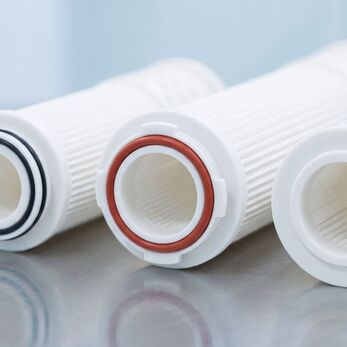
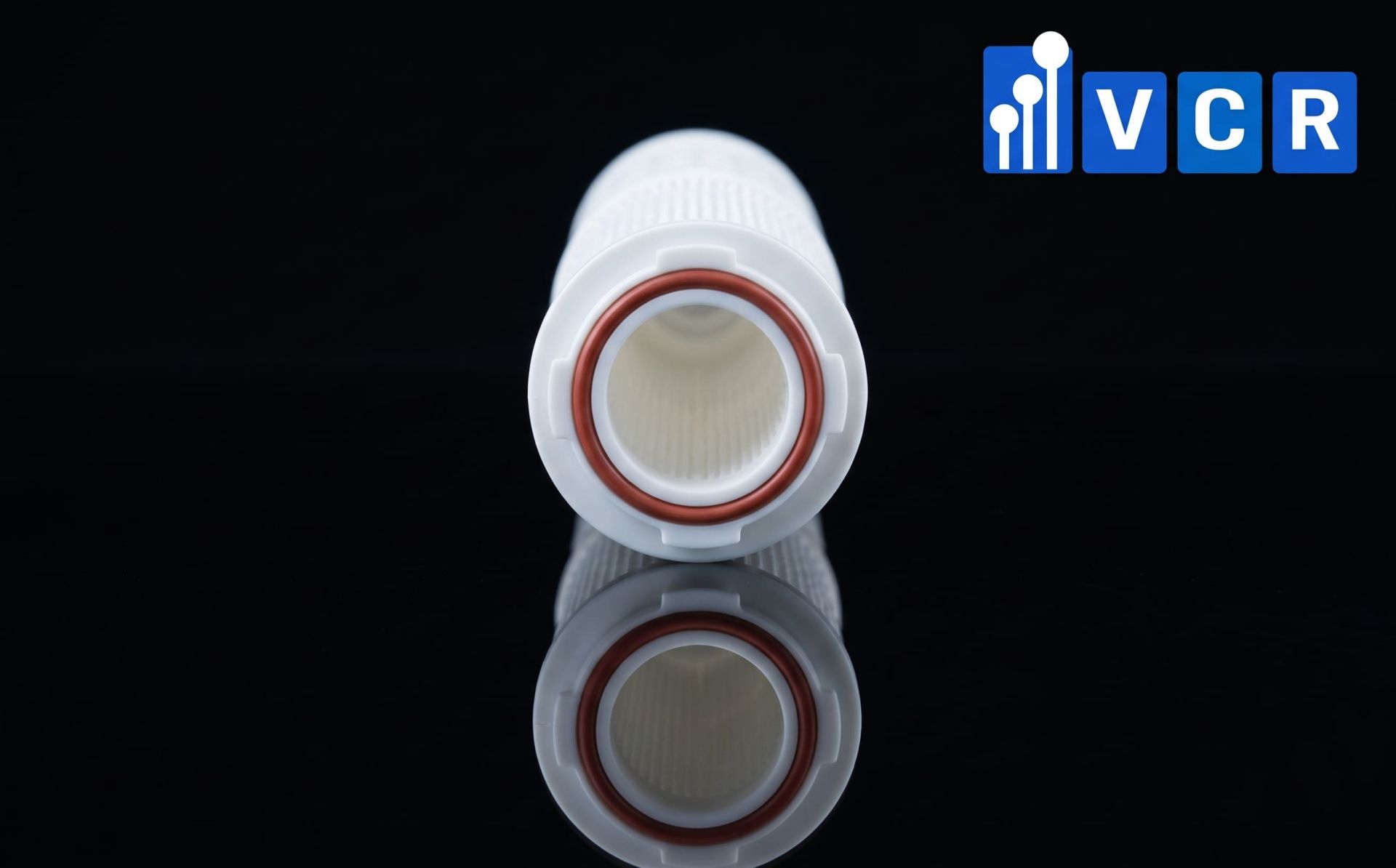
End connections determine how the cartridge is installed and sealed inside the filter housing.
Two 20-inch cartridges with the same micron rating may not be directly interchangeable if their end connections differ.
If the connection type is unknown, customers can provide clear photographs of both ends of the existing cartridge.
Combined with overall length and outside diameter, these photographs can help identify the required configuration.
Can Gaskets and O-Rings Be Changed Freely?
No.
Gaskets and O-rings provide sealing between the cartridge and filtration system. Their material must be compatible with the process fluid, temperature, and operating conditions.
Two seals with identical dimensions may not be interchangeable if their materials differ.
When changing cartridge models or brands, sealing materials should be reviewed together with filter media, end connections, and operating limits.
Can Another Brand Replace the Existing Cartridge?
Potentially, but only after technical comparison.
First confirm dimensional and end-connection compatibility with the existing housing. Then compare filter media, micron rating, particle-retention performance, filtration area, sealing materials, temperature limits, and pressure limits.
For important process stages, datasheets and relevant technical documents should also be reviewed.
The objective is to identify a technically compatible cartridge, not simply a product with similar dimensions or appearance.
Can One 20-Inch Cartridge Be Replaced by Two 10-Inch Cartridges?
This should not be assumed.
The ability to use two 10-inch cartridges depends on filter-housing design, cartridge retention, and sealing positions.
Equal total nominal length does not mean that mechanical installation and flow characteristics will be equivalent.
The housing drawing or technical specifications should be checked before changing cartridge configuration.
When Should a 20-Inch Cartridge Be Replaced?
There is no universal replacement interval suitable for every filtration system.
Cartridge service life depends on contaminant loading, process-fluid quality, flow rate, filtration area, and operating conditions.
Differential pressure across the filter is an important operating indicator. As contaminants accumulate, resistance through the cartridge generally increases.
Replacement timing should be determined from differential-pressure trends, product limits, and process requirements.
Why Record Differential Pressure After Installing a New Cartridge?
Differential pressure at a stable operating flow provides a useful baseline for a newly installed cartridge.
As contaminants accumulate during operation, resistance generally increases.
A recorded baseline allows operators to compare the rate of differential-pressure increase between replacement cycles.
Combined with flow rate and operating duration, this information can also help identify abnormal changes in the filtration system.
Why Can a 20-Inch Cartridge Clog Quickly?
Rapid clogging does not automatically indicate poor cartridge quality.
Incoming contaminant loading may have increased, the micron rating may be unnecessarily fine, or operating flow may be too high.
Upstream filtration may also be inadequate, and filtration area should be reviewed.
If several consecutive cartridges have short service life, the complete filtration sequence should be evaluated rather than simply changing brands.
Should a Cartridge with a Larger Filtration Area Be Considered?
In some applications, yes.
If output quality already meets requirements but differential pressure rises rapidly, contaminant loading and filtration area should be evaluated.
Reducing the micron rating provides finer filtration but may also increase resistance.
A larger filtration area may help distribute flow and contaminant loading more effectively depending on cartridge construction.
Any replacement must still meet housing dimensions and other technical requirements.
How Can an Unlabeled 20-Inch Cartridge Be Identified?
If the cartridge model and label are no longer readable, begin with clear photographs of the complete cartridge and both end connections.
Measure overall length and outside diameter.
Check the filter housing for model numbers or other identification markings.
Then provide the process fluid, existing micron rating if known, and installation position.
These details can significantly narrow the range of possible replacement products.
Why Can Two 20-Inch, 5-Micron Cartridges Have Different Prices?
Nominal length and micron rating represent only part of the complete cartridge specification.
Products may differ in filter media, filtration area, particle-retention performance, support-layer construction, end connections, sealing materials, and operating limits.
Product origin and the availability of technical documentation may also differ.
Purchasing teams should compare products against the same technical requirements before comparing unit prices.
A lower-priced cartridge requiring more frequent replacement does not necessarily provide a lower operating cost.
Common Mistakes When Buying 20-Inch Pleated Filter Cartridges
The most common mistake is requesting quotations using only cartridge length and micron rating.
Some buyers provide photographs of the cartridge body without showing both end connections. Others change filter media without checking process-fluid compatibility.
Another mistake is assuming that all cartridges with the same micron rating provide identical particle-retention performance.
Focusing only on purchase price while ignoring service life, differential pressure, technical documentation, and supply continuity can also increase long-term operating costs.
What Technical Documents Should Be Requested?
Depending on the application and project requirements, customers may request a product catalogue and datasheet.
The datasheet should identify filter media, filtration rating, dimensions, available configurations, and operating limits.
If product-origin information or additional documentation is required, availability should be confirmed before ordering.
For regularly replaced cartridges, factories should retain the selected model and technical documentation to simplify future purchasing.
What Information Is Required for an Accurate Quotation?
Whenever available, provide the complete existing cartridge model and manufacturer.
If the model is unreadable, provide photographs of the product label, complete cartridge, and both end connections.
Overall length and outside diameter should also be measured.
The process fluid, micron rating, and required quantity should be provided. Flow rate, temperature, pressure, and differential-pressure information can further improve selection accuracy.
How to Choose a Reliable 20-Inch Pleated Filter Cartridge Supplier in Son La
A suitable supplier should not only provide cartridges but also support technical configuration review before ordering.
Information covering filter media, micron rating, dimensions, end connections, and operating limits should be clear. Catalogues and datasheets should be available when required by the project.
For branded products, the model and supply source should be verified before the product is represented as genuine.
Because cartridges are consumable components, continuity of supply for future replacement cycles should also be considered.
Vietnam Cleanroom Equipment Supplies 20-Inch Pleated Filter Cartridges in Son La
Vietnam Cleanroom Equipment – VCR Cleanroom supplies filter cartridges and filtration solutions for factories, cleanroom contractors, and controlled manufacturing applications.
VCR Cleanroom supports 20-inch cartridge selection according to filter media, micron rating, dimensions, end connections, sealing materials, process fluid, and actual operating conditions.
For replacement requirements in Son La, customers can provide an existing model, datasheet, product label, or cartridge photographs for configuration comparison.
Where the model cannot be identified, dimensional information, photographs of both end connections, and operating data can be used to support product selection.
Conclusion
When looking for a reliable 20-inch pleated filter cartridge supplier in Son La, buyers should not make purchasing decisions based only on nominal length, micron rating, or price.
Filter media, filtration performance, actual dimensions, end connections, sealing materials, and operating conditions should be evaluated together.
Vietnam Cleanroom Equipment – VCR Cleanroom supplies 20-inch pleated filter cartridges and supports customers in comparing existing models and selecting configurations suitable for their actual filtration systems.