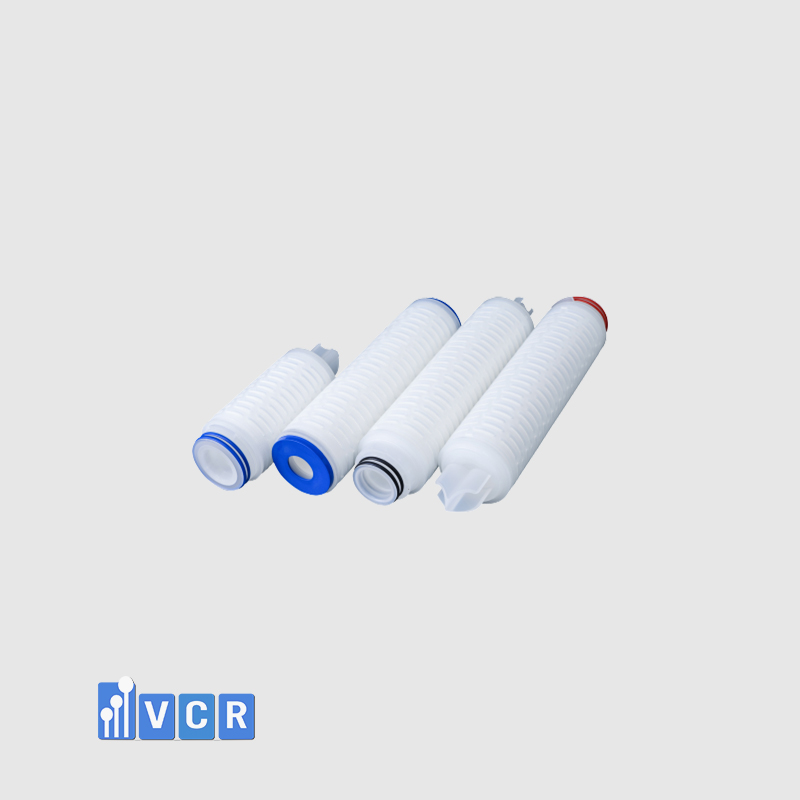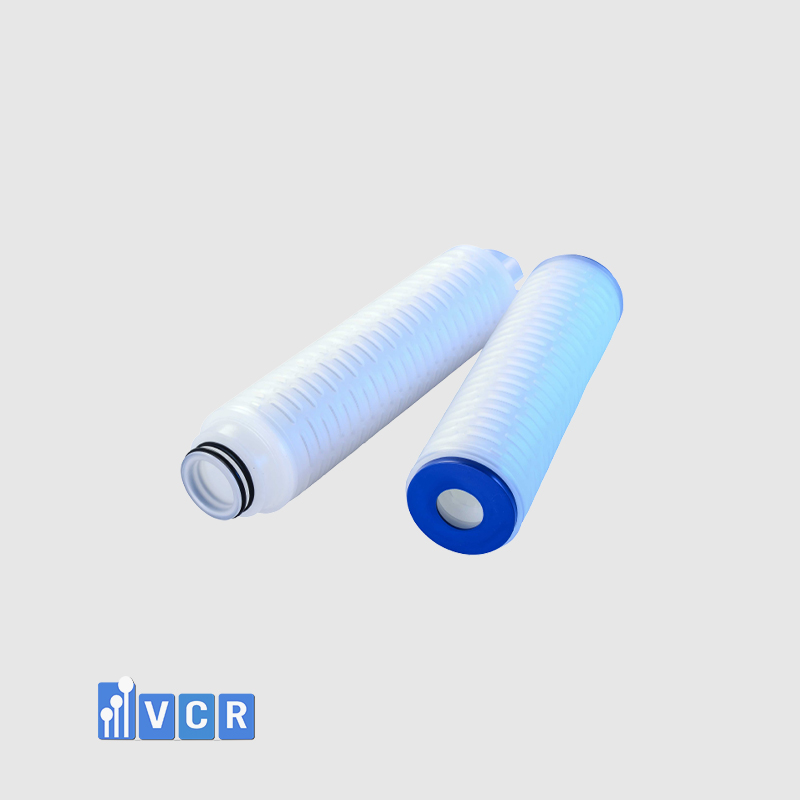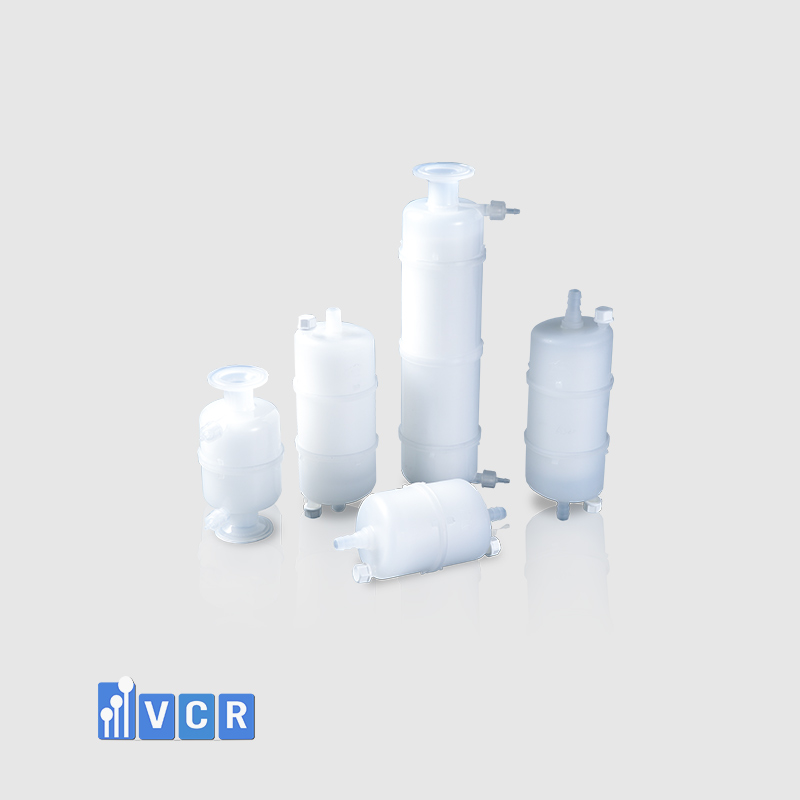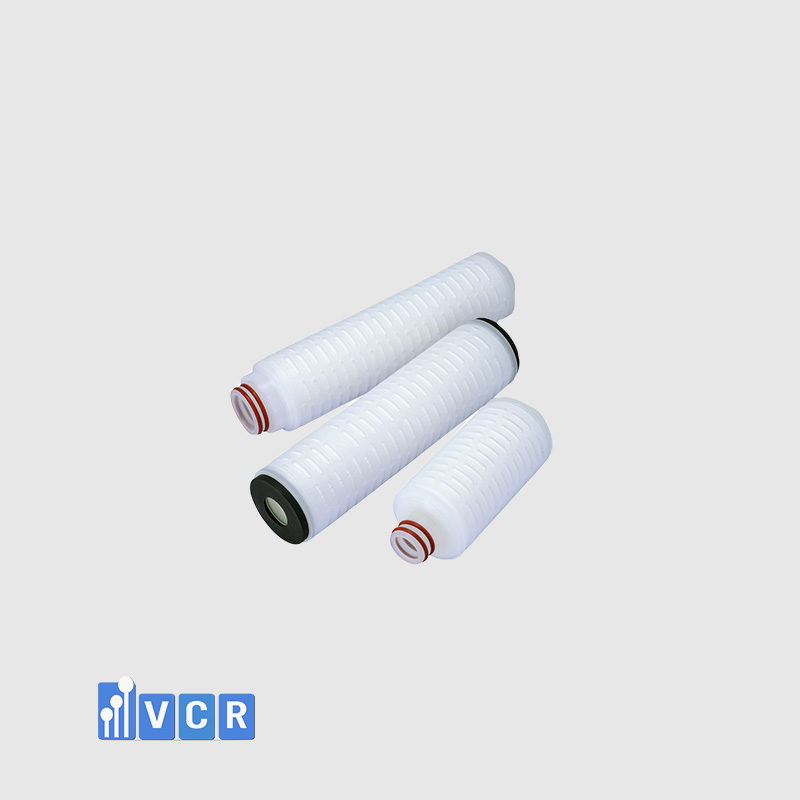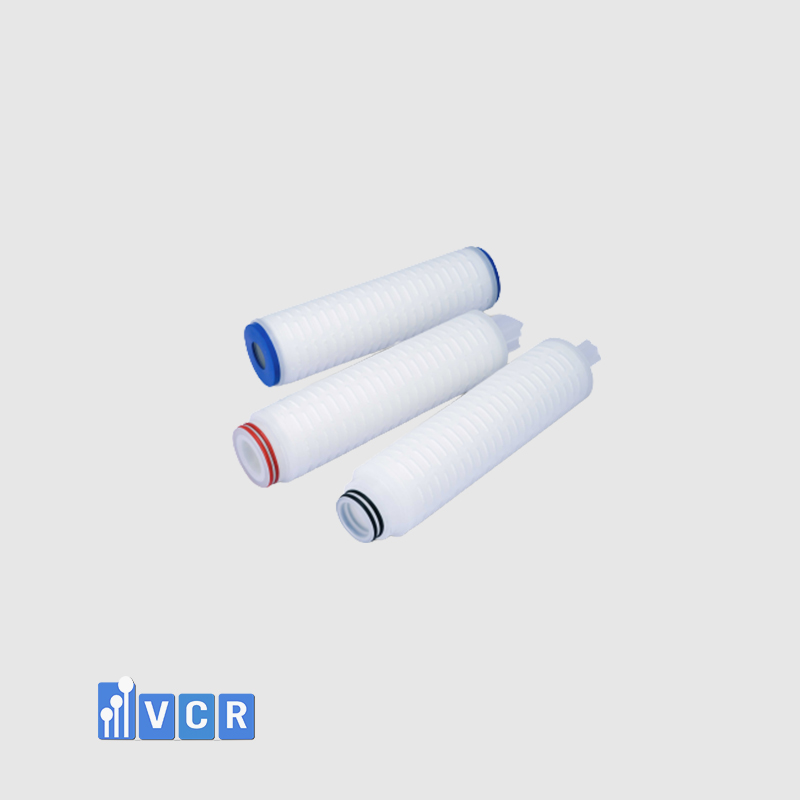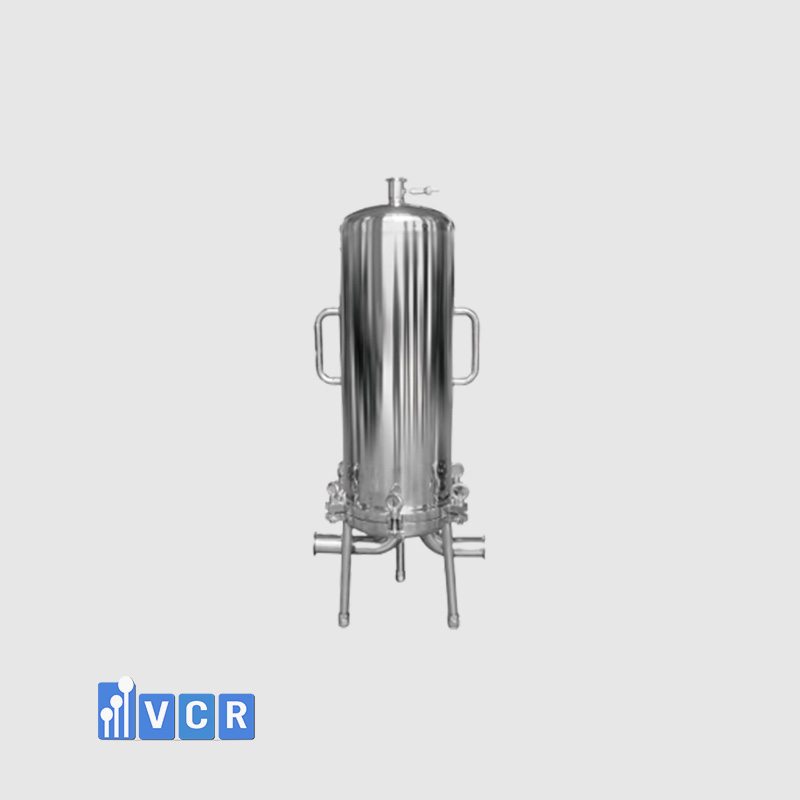

- 0.1 micron pleated filter cartridge supplier for Trang Due Industrial Park
- Identify the exact model before comparing quotations
- How should a cartridge be identified when its label is missing?
- The same 0.1 micron rating does not mean the same performance
- What is the difference between nominal and absolute ratings?
- Filter media must be suitable for the process fluid
- Filtration area affects operating characteristics
- End connections must be compatible with the housing
- O-ring material directly affects sealing
- Evaluate flow rate together with differential pressure
- ISO Class does not directly determine cartridge micron rating
- A 0.1 micron cartridge is not automatically sterilizing-grade
- Integrity testing requires model-specific data
- Does rapid differential-pressure increase mean poor cartridge quality?
- Do not replace cartridges only according to a fixed schedule
- Can another manufacturer's cartridge be used?
- Distinguish original branded products from technically equivalent alternatives
- Define technical-documentation requirements before purchasing
- What information is required for an accurate quotation?
- Choosing a 0.1 micron cartridge supplier for Trang Due Industrial Park
- VCR Cleanroom supplies 0.1 micron pleated filter cartridges for Trang Due Industrial Park
- Conclusion
0.1 micron pleated filter cartridge supplier for Trang Due Industrial Park
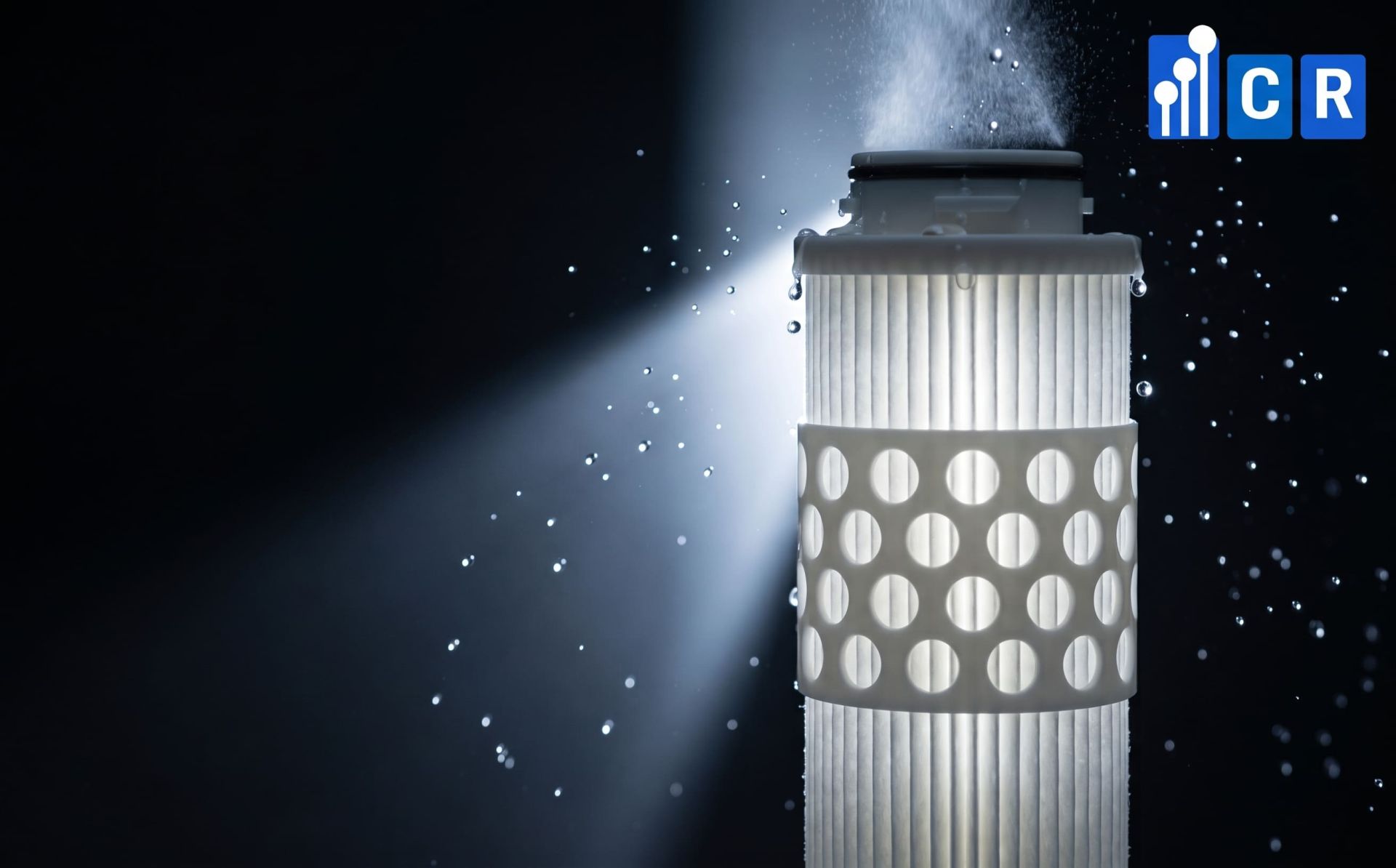
When a factory in Trang Due Industrial Park needs to purchase or replace a 0.1 micron pleated filter cartridge, identifying filtration rating and nominal length is not enough to confirm suitability. The cartridge must also match the existing housing, process fluid, flow rate, temperature, pressure, and requirements of the filtration step.
Two cartridges labeled 0.1 micron may differ in filter media, membrane construction, effective filtration area, end connections, O-ring materials, and flow-versus-differential-pressure characteristics. A cartridge may physically fit the housing while still providing different operating performance from the existing product.
For validated processes, changing the cartridge model, filter material, or manufacturer may also require impact assessment and change control. A supplier should therefore be able to support technical comparison rather than simply provide a product based on a general description.
Vietnam Cleanroom Equipment – VCR Cleanroom supplies 0.1 micron pleated filter cartridges for factories in Trang Due Industrial Park and supports model identification and configuration verification before product selection.
Identify the exact model before comparing quotations
If the existing cartridge label remains readable, the manufacturer and complete model number should be checked first.
Depending on the manufacturer, the model code may indicate filter media, micron rating, cartridge length, end connection, gasket material, and other technical options. A difference of only a few characters can represent a different configuration.
A request such as “20-inch 0.1 micron filter cartridge” is therefore generally insufficient for accurate product identification.
Procurement teams should provide clear photographs of the label, the complete model number, and the required quantity. This helps reduce unnecessary clarification and the risk of receiving a quotation for the wrong configuration.
How should a cartridge be identified when its label is missing?
If the model can no longer be read, the replacement should not be selected by external appearance alone.
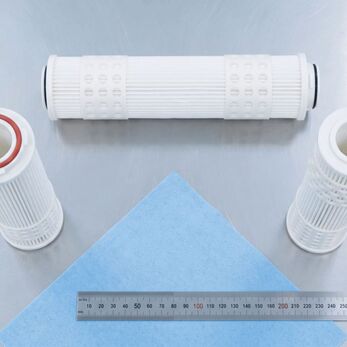
Factories should provide clear photographs of the complete cartridge, both end connections, O-ring positions, and the existing housing. Overall length, outside diameter, and other relevant dimensions should also be measured.
Previous purchase orders, internal material codes, catalogues, datasheets, drawings, or maintenance records can provide additional identification information.
Process fluid, flow rate, temperature, pressure, and cleaning or sterilization conditions should also be established. These data help eliminate cartridges that may look similar but are unsuitable for actual operating conditions.
The same 0.1 micron rating does not mean the same performance
Micron rating is only one of several technical parameters that should be evaluated.
Membrane material, media-layer construction, pleat design, filtration area, and the method used to determine retention performance may differ between models.
Two cartridges labeled 0.1 micron may therefore have different retention performance, flow capacity, differential pressure, and service life.
For critical filtration steps, the technical datasheet for the exact model should be reviewed before interchangeability is confirmed.
What is the difference between nominal and absolute ratings?
Nominal and absolute filtration ratings should be distinguished when evaluating filter cartridges.
Manufacturers may use different test methods or criteria for defining particle-retention performance. The same 0.1 micron value may therefore not represent the same retention level.
When comparing products, buyers should review the basis for the stated filtration rating in the catalogue or technical datasheet.
This becomes especially important when considering a product from another manufacturer.
Filter media must be suitable for the process fluid
PES, PTFE, and polypropylene are examples of materials used in different filtration applications.
Filter-media selection should consider process-fluid characteristics, concentration, temperature, contact time, and operating conditions.
If an existing system operates reliably with a particular material, changing to another material requires technical evaluation.
The same 0.1 micron rating does not make different filter materials automatically interchangeable.
Filtration area affects operating characteristics
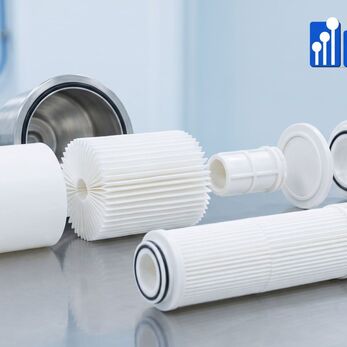
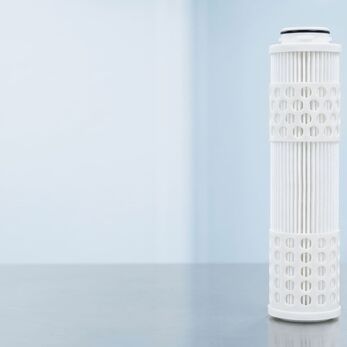
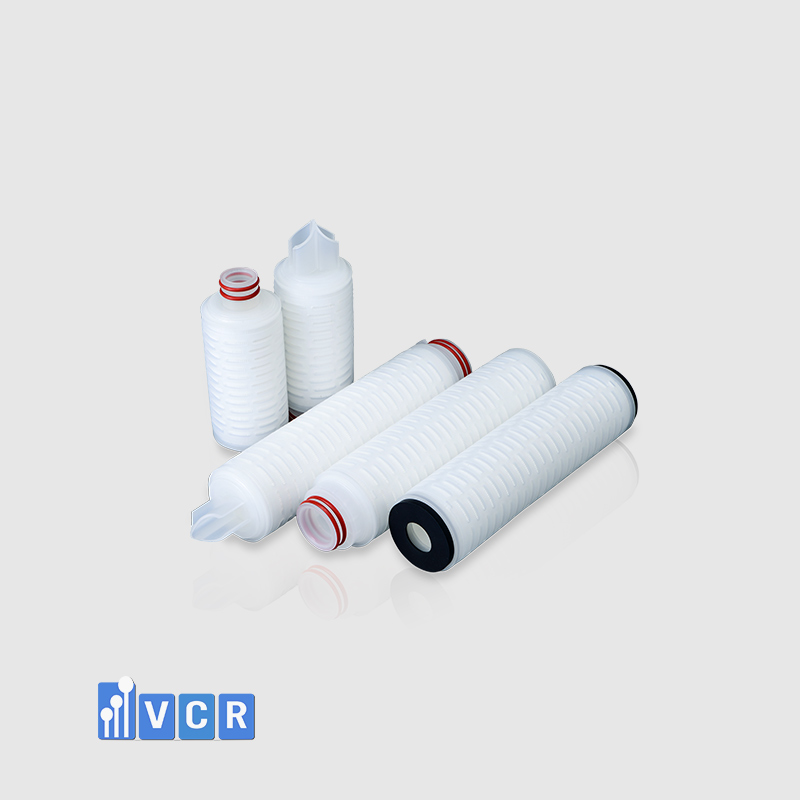
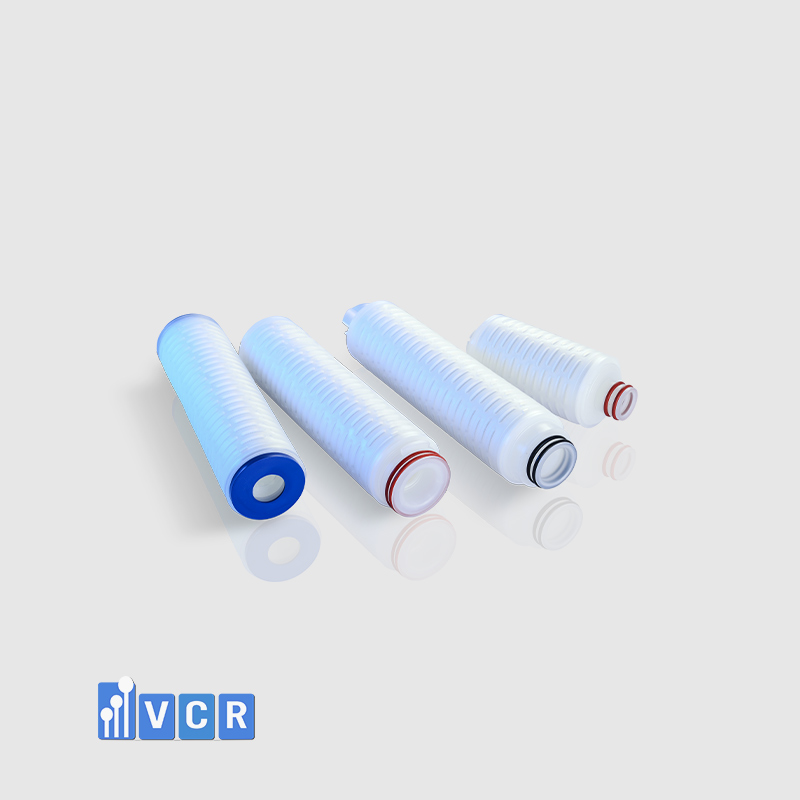
Pleated construction provides a relatively large filtration surface within a compact cartridge.
However, pleat density, pleat depth, and media-layer construction may vary between models.
Effective filtration area influences flow capacity, initial differential pressure, contaminant-holding capacity, and service life.
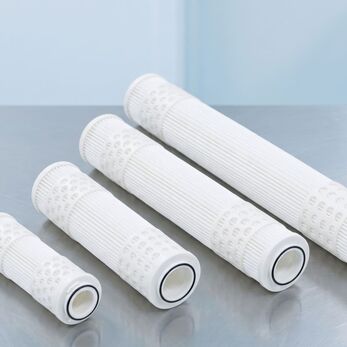
When evaluating an alternative model, filtration area should therefore be reviewed together with nominal cartridge length.
End connections must be compatible with the housing
A cartridge with the correct filtration rating, media, and length may still be unsuitable if its end configuration does not match the existing housing.
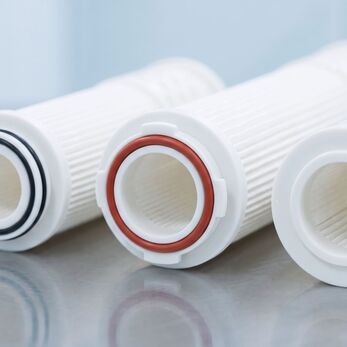
Connection type, O-ring position, opposite-end design, outside diameter, and installed length should all be checked.
If the exact connection name is unknown, clear photographs of both cartridge ends and the housing can support identification.
When changing to another manufacturer's model, dimensional drawings should be compared before the order is confirmed.
O-ring material directly affects sealing
Gasket material should not be treated as a secondary parameter.
The O-ring must be compatible with the process fluid, temperature, cleaning chemicals, and operating conditions.
A cartridge with suitable filter media can still create sealing risks if the O-ring material is incompatible.
Seal material should therefore be verified together with the membrane and end-connection configuration.
Evaluate flow rate together with differential pressure
A suitable cartridge must provide the required retention performance while maintaining the necessary process flow.
If initial differential pressure is excessive, actual flow may decrease or the system may operate outside its intended conditions.
When comparing models, flow-versus-differential-pressure data should be reviewed under corresponding test conditions.
After installation, initial differential pressure should be recorded as a baseline for monitoring throughout the cartridge's service life.
ISO Class does not directly determine cartridge micron rating
Cleanroom ISO classification and liquid-filter micron rating address different technical requirements.
ISO Class 5, ISO Class 7, and ISO Class 8 relate to airborne particle concentrations.
Filter cartridges for process water, solutions, or chemicals should instead be selected according to the requirements of the specific process step.
Cleanroom classification alone therefore cannot determine whether a liquid system requires a 0.1 micron cartridge.
A 0.1 micron cartridge is not automatically sterilizing-grade
A small filtration rating alone does not demonstrate suitability for sterilizing filtration.
Where microbiological control or sterilizing filtration is required, manufacturer data for the exact model should be reviewed.
Retention performance, test methodology, integrity-testing capability, and relevant validation information should be evaluated according to the application.
For validated pharmaceutical processes, a 0.1 micron rating alone is insufficient for cartridge selection.
Integrity testing requires model-specific data
Where integrity testing is required, the method and acceptance limits should correspond to the exact cartridge model.
Test parameters from another cartridge should not automatically be applied simply because both products have the same filtration rating.
When the model, filter media, or manufacturer changes, relevant test information should be reviewed again.
For validated processes, the change may also need to be managed through the facility's change-control system.
Does rapid differential-pressure increase mean poor cartridge quality?
Not necessarily.
High upstream particulate loading, inadequate prefiltration, excessive operating flow, insufficient filtration area, or changes in process-fluid characteristics can all accelerate differential-pressure increase.
If the same model previously achieved longer service life, operating data from different cycles should be compared.
In many cases, improving upstream prefiltration can reduce the load on the 0.1 micron cartridge and extend service life.
Do not replace cartridges only according to a fixed schedule
Operating time should be monitored, but it should not be the sole replacement criterion.
Factories should consider differential pressure, flow, output quality, operating time, product limitations, and internal SOP requirements.
The cartridge model, installation date, initial differential pressure, pressure before replacement, replacement date, and reason for replacement should be recorded.
Data collected over multiple cycles can help establish actual service life and improve spare-parts planning.
Can another manufacturer's cartridge be used?
Potentially, provided the proposed replacement is fully evaluated.
Filter media, filtration rating, retention performance, filtration area, dimensions, end connections, O-rings, flow characteristics, differential pressure, temperature limits, and pressure limits should all be compared.
For validated filtration steps, changing the model or manufacturer may require impact assessment and change control.
Two cartridges should not be considered technically equivalent simply because both carry a 0.1 micron rating.
Distinguish original branded products from technically equivalent alternatives
If the factory requires an original branded product, the manufacturer and exact model should be clearly identified.
Product information, packaging, catalogue, datasheet, and supply information should correspond to the requested brand and model.
A cartridge from another manufacturer may potentially be evaluated as a technically equivalent alternative if it meets the necessary technical criteria.
However, a technically equivalent alternative is not the same as an original product from the existing manufacturer.
The quotation should clearly indicate whether the proposed cartridge is the requested branded product or an alternative replacement.
Define technical-documentation requirements before purchasing
The required documentation package depends on the application and the factory's quality-management system.
Relevant documents may include catalogues, technical datasheets, material information, retention-performance data, dimensional drawings, temperature and pressure limits, and sterilization-related information where applicable.
For pharmaceutical or validated applications, engineering, quality, and procurement teams should agree on documentation requirements before placing an order.
This helps prevent cartridges from arriving at the factory without sufficient documentation for technical or quality approval.
What information is required for an accurate quotation?
If the existing cartridge label is readable, factories should provide the manufacturer, complete model number, required quantity, and clear photographs of the label.
If the model is unavailable, provide photographs of the complete cartridge, both end connections, housing, overall length, outside diameter, filtration rating, and known filter material.
Process fluid, flow rate, temperature, pressure, and cleaning or sterilization conditions should also be provided where relevant.
If an original product from a specific manufacturer is required, this should be clearly stated when requesting the quotation.
Choosing a 0.1 micron cartridge supplier for Trang Due Industrial Park
A suitable supplier should be able to identify the correct cartridge configuration before providing a quotation.
The ability to compare model numbers, datasheets, filter media, dimensions, end connections, O-rings, and operating conditions can reduce the risk of ordering an incorrect product.
Supply continuity should also be considered because filter cartridges are consumable components.
For critical models, factories should establish minimum inventory levels based on actual consumption, service life, and expected procurement lead time.
VCR Cleanroom supplies 0.1 micron pleated filter cartridges for Trang Due Industrial Park
Vietnam Cleanroom Equipment – VCR Cleanroom supplies 0.1 micron pleated filter cartridges for cleanroom systems and controlled manufacturing applications.
For factories in Trang Due Industrial Park, VCR supports verification of existing models, filter media, filtration ratings, cartridge lengths, end connections, gasket materials, housing compatibility, and operating conditions before proposing a product.
If the existing cartridge model can no longer be identified, customers can provide photographs, dimensions, and process data to support configuration identification.
When another model or manufacturer is being considered, key technical parameters should be compared before the replacement is confirmed.
If an original product from a specific manufacturer is required, the manufacturer, model, and supply source should be verified before ordering.
Conclusion
Selecting a 0.1 micron pleated filter cartridge supplier for factories in Trang Due Industrial Park should not be based only on price, micron rating, or nominal cartridge length.
Model number, filter media, retention performance, filtration area, dimensions, end connections, O-rings, flow capacity, differential pressure, and operating conditions should all be evaluated.
For validated processes, changing the model or manufacturer may also require technical assessment and change control.
Vietnam Cleanroom Equipment – VCR Cleanroom supplies 0.1 micron pleated filter cartridges for factories in Trang Due Industrial Park and supports model identification, technical comparison, and selection according to actual operating requirements.