- What Is a 5 Micron Pleated Water Filter Cartridge?
- How Small Is 5 Microns?
- What Does a 5 Micron Pleated Water Filter Remove?
- How Does a Pleated Water Filter Cartridge Work?
- Nominal vs Absolute 5 Micron Rating
- Common Filter Media
- Polyester Pleated Media
- Polypropylene Pleated Media
- Cellulose and Cellulose-Blend Media
- Advantages of a 5 Micron Pleated Cartridge
- Limitations
- Typical Applications
- Residential Water Filtration
- Well-Water Treatment
- Reverse Osmosis Pretreatment
- Standard Cartridge Sizes
- Flow Rate and Pressure Drop
- How Long Does a 5 Micron Pleated Filter Last?
- Can a 5 Micron Pleated Cartridge Be Washed?
- When Should the Cartridge Be Replaced?
- 1 Micron vs 5 Micron Water Filter
- 5 Micron vs 10 Micron Water Filter
- How to Select the Right 5 Micron Pleated Cartridge
- 5 Micron Pleated Water Filter Cartridges from VCR
- Frequently Asked Questions
- Conclusion
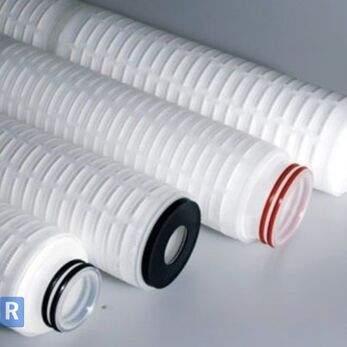
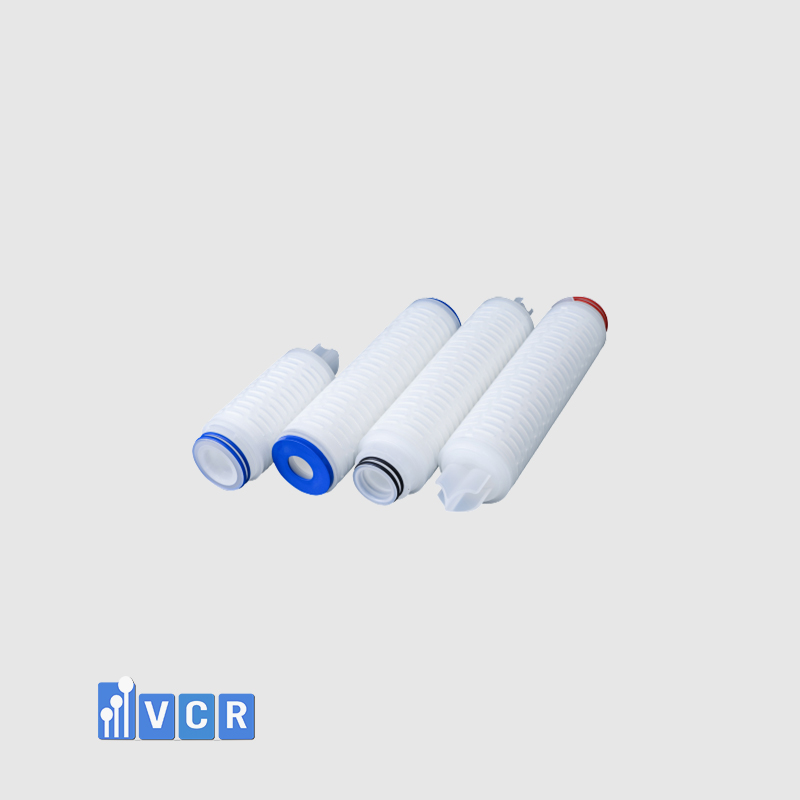
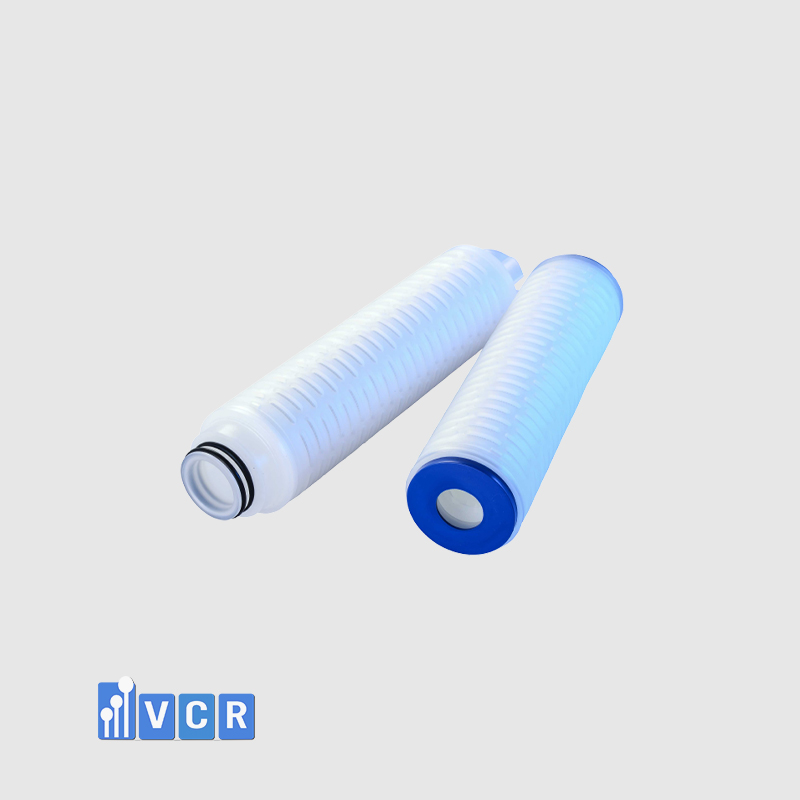
What Is a 5 Micron Pleated Water Filter Cartridge?
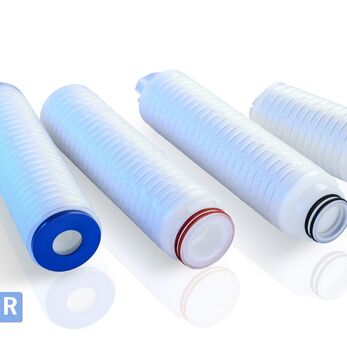
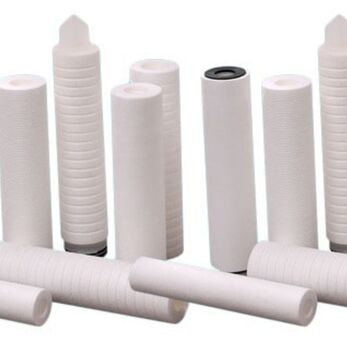
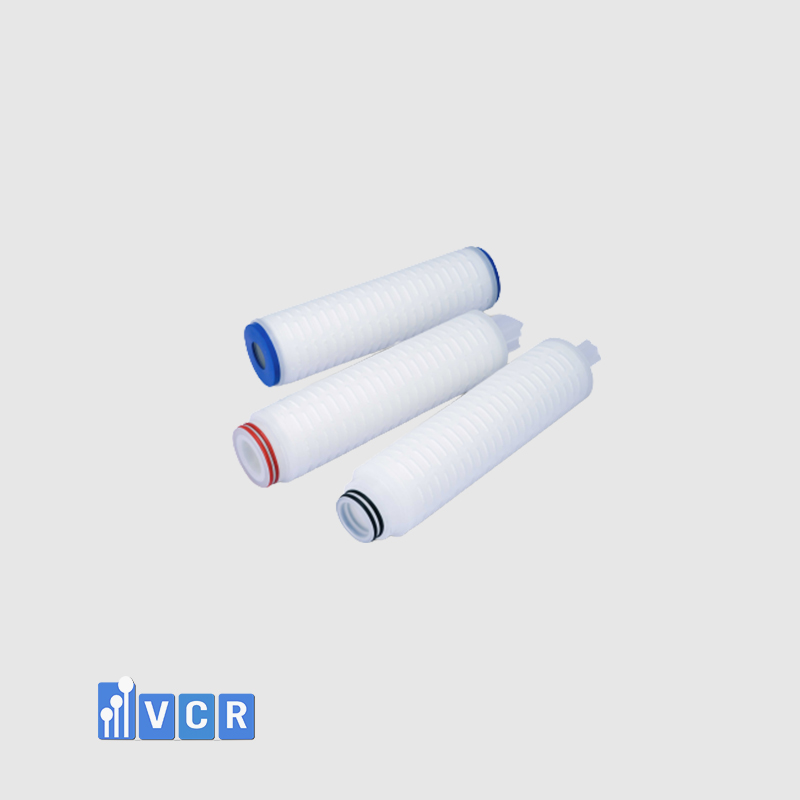
A 5 micron pleated water filter cartridge is a cylindrical filtration element designed to remove suspended particles from water at or around five micrometers in size.
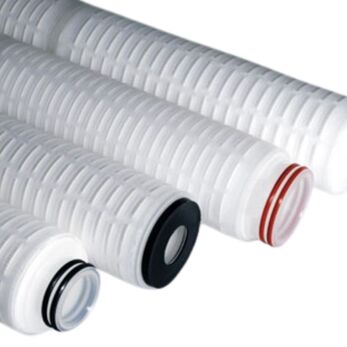
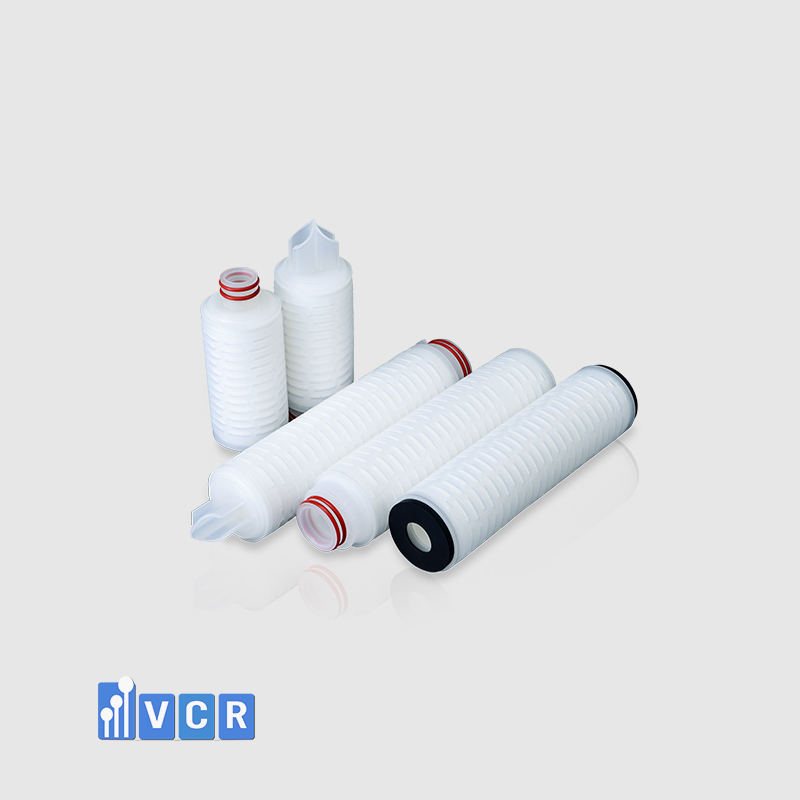
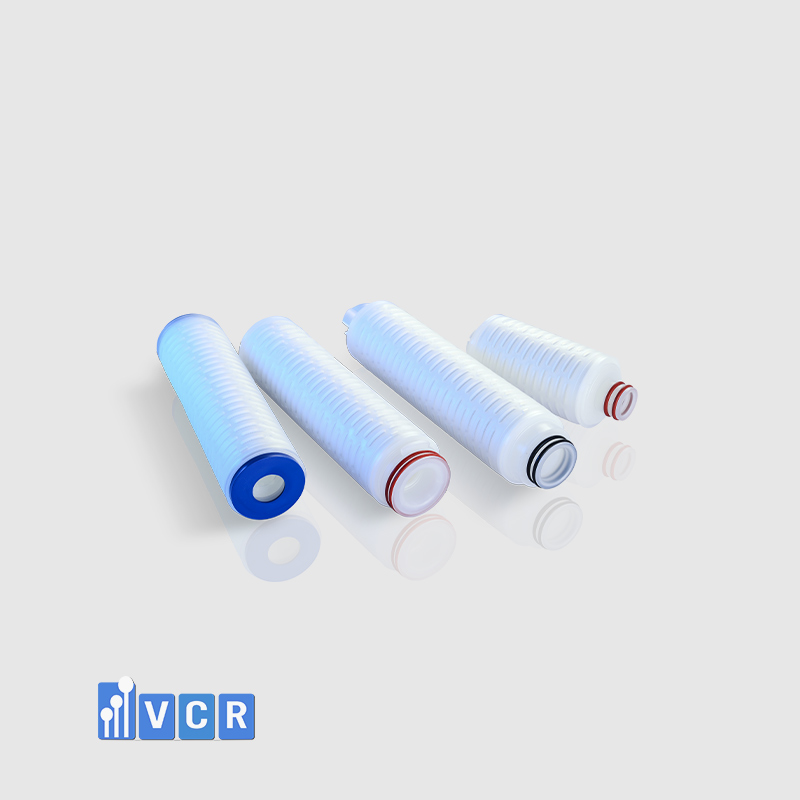
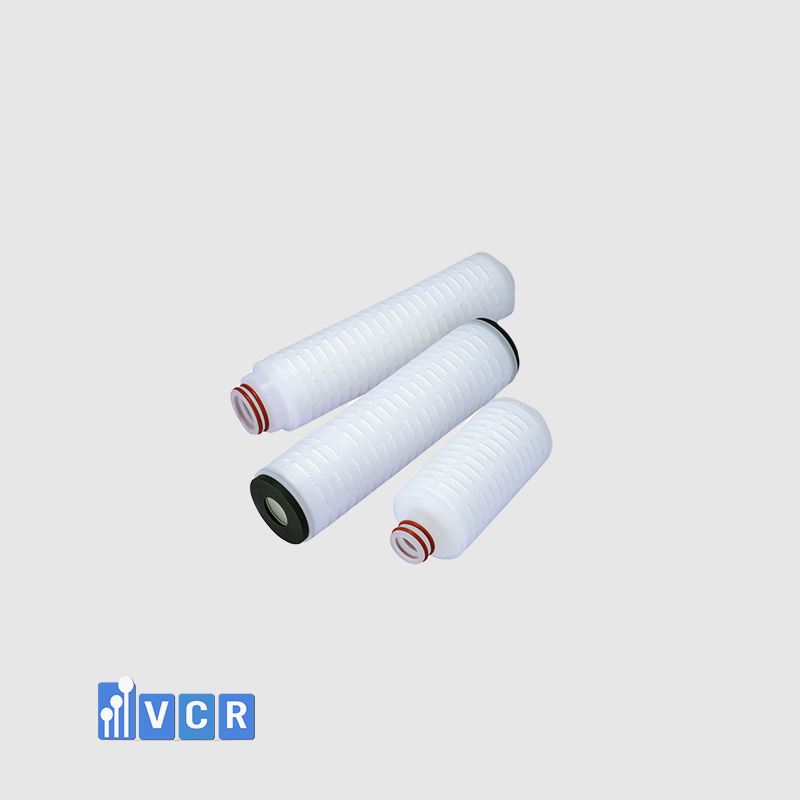
The filter media is folded into multiple pleats around a central support core. This pleated construction creates a larger filtration surface than a flat sheet of media occupying the same external space. The larger area can support good water flow, relatively low initial pressure drop and greater sediment-holding capacity.
A 5 micron pleated cartridge is commonly used to capture fine sand, rust particles, silt, pipe scale and other suspended solids. It is frequently installed as a sediment prefilter before activated carbon filters, softeners, ultrafiltration systems, reverse osmosis membranes and other water-treatment equipment.
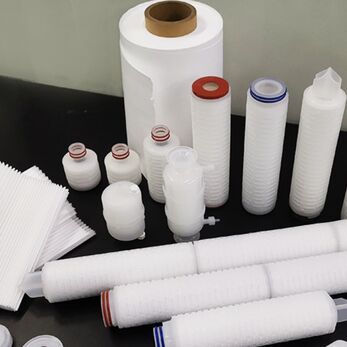
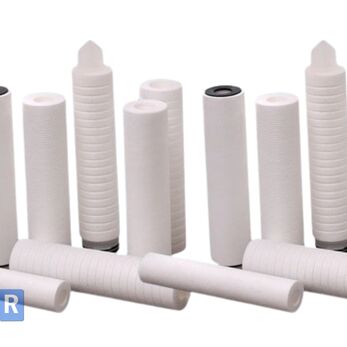
The cartridge may be manufactured from polyester, polypropylene, cellulose blends or another filtration material. Some models are washable and reusable, while others are designed for single use.
The stated 5 micron rating must be interpreted together with the manufacturer’s filtration-efficiency data. A nominal 5 micron cartridge and an absolute 5 micron cartridge do not necessarily provide the same particle-removal performance.
How Small Is 5 Microns?
One micron, also written as one micrometer or 1 µm, is one-thousandth of a millimeter.
A 5 micron particle is therefore extremely small and normally cannot be identified individually by the naked eye. However, a large concentration of fine particles can make water appear cloudy, yellow, brown or gray.
A 5 micron filter is finer than a typical 20, 30 or 50 micron sediment filter. It can capture smaller particles but may also become blocked more quickly when the incoming water contains a high concentration of sediment.
The filter should therefore be selected according to the actual water quality rather than assuming that a finer micron rating is always better.
What Does a 5 Micron Pleated Water Filter Remove?
A correctly selected 5 micron pleated filter cartridge can remove or reduce suspended particulate matter such as:
-
Fine sand
-
Rust
-
Silt
-
Clay particles
-
Pipe scale
-
Sediment
-
Metal flakes
-
Organic debris
-
Suspended solids from well water
-
Particles released from old plumbing systems
The filter is designed primarily for mechanical particle removal.
It does not normally remove dissolved salts, water hardness, chlorine, unpleasant taste, odor, pesticides, dissolved metals or many chemical contaminants. These substances pass through the pores because they are dissolved in the water rather than present as suspended particles.
A standard 5 micron sediment cartridge should also not be considered a reliable bacteria-removal filter. Many bacteria are smaller than five microns, and microorganisms may pass through a cartridge that has not been specifically designed and validated for microbial retention.
For comprehensive water treatment, the pleated cartridge is often combined with other technologies such as activated carbon, ion exchange, ultrafiltration, ultraviolet disinfection or reverse osmosis.
How Does a Pleated Water Filter Cartridge Work?
Water enters the filter housing and reaches the outer surface of the pleated cartridge.
In a common outside-to-inside configuration, water passes through the pleated media toward the central core. Suspended particles are retained on the surface of the media or within its porous structure, while filtered water flows through the core and leaves the housing.
The pleats increase the effective area available for filtration. This distributes the water over a larger surface and reduces the amount of flow passing through each unit area of media.
As sediment accumulates, the open flow passages become restricted. Water pressure downstream of the filter may gradually decrease, while differential pressure across the cartridge increases.
The cartridge must eventually be cleaned or replaced when it can no longer maintain the required flow or when it reaches the manufacturer’s recommended terminal pressure drop.
Nominal vs Absolute 5 Micron Rating
The term “5 micron” does not always describe the same filtration efficiency.
A nominally rated cartridge removes a defined percentage of particles at approximately five microns under specific test conditions. The percentage used to define a nominal rating may differ among manufacturers.
An absolute-rated cartridge provides a more clearly defined retention efficiency at the stated particle size. Its performance may be described using a percentage removal value or beta ratio.
This distinction is important when filtration performance affects equipment protection, product quality or process reliability.
For general household sediment removal, a nominal 5 micron cartridge may be adequate. For industrial, food, beverage, pharmaceutical or high-purity applications, documented absolute efficiency may be required.
Buyers should request the filtration-efficiency curve or test specification instead of comparing cartridges only by the printed micron value.
Common Filter Media
Polyester Pleated Media
Polyester is widely used in washable pleated sediment cartridges.
It provides good mechanical strength, stable pleat geometry and resistance to repeated wetting. Many polyester cartridges can be removed, gently rinsed and reused several times when the media remains undamaged.
Polyester pleated filters are frequently installed in household water systems, well-water treatment, irrigation, commercial water filtration and general industrial applications.
Their actual washability depends on the complete construction, including the end caps, support core, adhesive and gasket.
Polypropylene Pleated Media
Polypropylene provides broad compatibility with many water-based fluids and process chemicals.
A pleated polypropylene cartridge may use surface media, depth media or a combination of filtration layers. Some polypropylene cartridges are washable, while others are intended for single use.
They are commonly used in process water, food and beverage production, cosmetics, chemicals, electronics and industrial water-treatment systems.
A pleated polypropylene cartridge should not be confused with a melt-blown polypropylene depth cartridge. Melt-blown cartridges have a thick fibrous structure and are normally treated as disposable filters.
Cellulose and Cellulose-Blend Media
Cellulose-based cartridges can provide economical sediment filtration, but they may be less resistant to repeated washing.
Cellulose can absorb water, soften, deform or support microbial growth if it is stored wet for an extended period. Some cellulose-blend cartridges contain synthetic fibers to improve wet strength and filtration performance.
Cleaning or reuse should only be attempted when permitted by the manufacturer.
Advantages of a 5 Micron Pleated Cartridge
The primary advantage is its large filtration area.
The pleated media provides more exposed surface than many simple cylindrical filters. This can support a good flow rate and allow the cartridge to retain a useful quantity of sediment before replacement.
A 5 micron rating offers a practical balance between fine sediment removal and acceptable water flow for many residential and industrial systems.
Pleated cartridges can also be relatively easy to inspect because accumulated sediment is visible on the outer surface.
Washable polyester or polypropylene models may reduce filter consumption when the contaminant is primarily loose sand, rust or other removable sediment.
The cartridges are available in widely used dimensions and can be installed in many standard filter housings.
Limitations
A 5 micron pleated water filter cartridge is not suitable for every water condition.
Water containing large amounts of mud, clay, slime, iron bacteria or organic material may block the pleated media quickly.
Sticky or gelatinous contaminants can cover the surface and prevent effective cleaning. In such conditions, a depth filter, backwashable media filter, self-cleaning filter or staged treatment system may be more appropriate.
The cartridge also does not remove dissolved contaminants unless it contains additional treatment media.
A finer cartridge creates more resistance than a coarser filter of similar construction. Installing an undersized 5 micron cartridge in a high-flow system can cause unacceptable pressure loss.
Washable cartridges also lose performance after repeated cleaning. Cleaning can restore flow but does not guarantee that the original filtration efficiency has been fully recovered.
Typical Applications
A 5 micron pleated water filter cartridge can be used in residential, commercial and industrial water-treatment systems.
In households, it may be installed at the point of entry to protect plumbing, faucets, water heaters, washing machines and downstream water filters.
For well water, the cartridge can capture fine sand, rust and sediment after an appropriate coarse filtration stage.
In reverse osmosis systems, it may serve as a prefilter to protect carbon cartridges and RO membranes from suspended solids. However, the complete pretreatment design should be based on turbidity, silt density, water chemistry and membrane requirements.
Food and beverage plants may use suitable 5 micron cartridges for process-water clarification and equipment protection.
Industrial applications include cooling water, cleaning systems, metal processing, agricultural irrigation, car-washing systems, chemical processes and general utility water.
Cartridge materials and documentation must match the intended application, especially when the filtered water contacts food, pharmaceuticals, cosmetics or sensitive products.
Residential Water Filtration
For residential water, a 5 micron pleated cartridge is often installed after a coarse sediment filter.
A staged arrangement may use a 20, 30 or 50 micron filter to capture larger particles before water reaches the 5 micron cartridge. This reduces the sediment load and extends the life of the finer filter.
The 5 micron cartridge may then be followed by activated carbon for chlorine, taste and odor reduction.
Where microbiological risk exists, an approved disinfection system may also be required. A standard sediment cartridge alone does not make contaminated water microbiologically safe.
The housing size should be selected according to household water demand. A larger cartridge generally offers more media area and a lower pressure drop at the same flow.
Well-Water Treatment
Well water may contain sand, clay, rust, iron precipitates and other naturally occurring particles.
A 5 micron pleated filter can improve clarity and protect downstream treatment equipment, but it should not be expected to handle very heavy sediment without pretreatment.
Where the water contains large quantities of sand, a spin-down separator, hydrocyclone or coarse screen should be installed upstream.
Where dissolved iron or manganese is present, oxidation and specialized filtration may be required. A sediment cartridge can capture oxidized particles but cannot efficiently remove dissolved iron before it has been converted into a filterable form.
Biological slime or iron bacteria can rapidly foul a pleated cartridge and may require disinfection and a different treatment strategy.
Reverse Osmosis Pretreatment
A 5 micron sediment cartridge is commonly used in reverse osmosis pretreatment.
Its function is to reduce the amount of suspended material reaching carbon filters and the RO membrane.
Protecting the membrane from sediment helps maintain water flow and reduces the risk of premature fouling.
However, the cartridge does not remove all substances that can damage or foul an RO membrane. Hardness, chlorine, silica, dissolved metals, microorganisms and organic compounds may require additional treatment.
For industrial RO systems, cartridge selection should be coordinated with the pretreatment process, feed-water analysis, membrane specifications and required silt density index.
Standard Cartridge Sizes
Common pleated water filter cartridges are available in nominal lengths such as 10, 20, 30 and 40 inches.
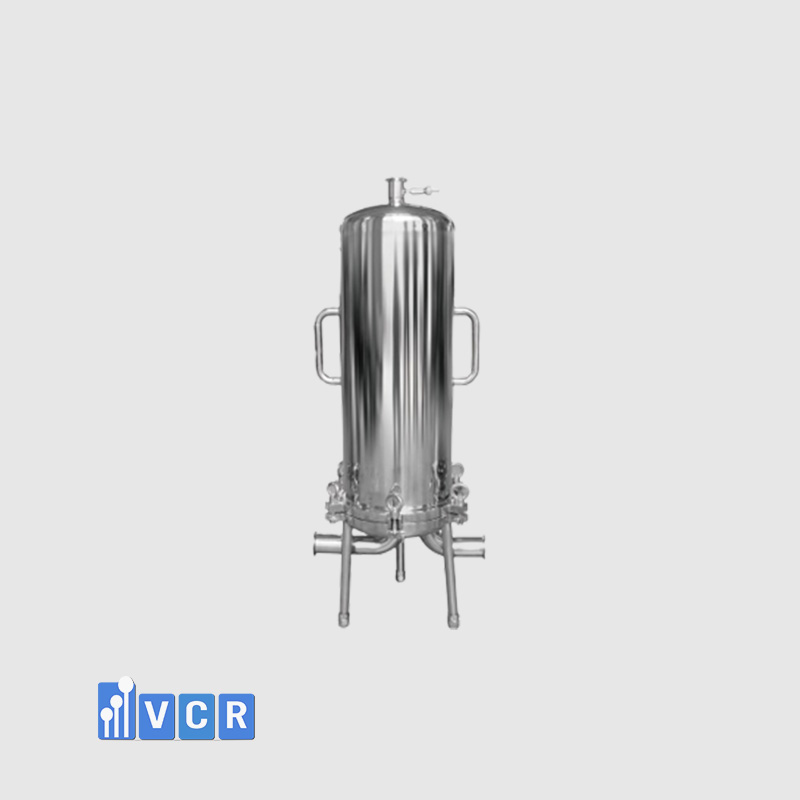
Standard-diameter cartridges are typically used in compact residential or commercial housings. Larger-diameter cartridges, often described as big-blue or high-capacity cartridges, provide more filtration area and can handle greater water flow.
The actual dimensions vary among manufacturers. A cartridge described as 10 inches may have a slightly different overall length depending on its end-cap and sealing design.
Before purchasing a replacement, users should confirm the cartridge length, outside diameter, inside diameter, end configuration and housing compatibility.
Flow Rate and Pressure Drop
The allowable flow rate depends on the cartridge dimensions, effective media area, water viscosity, solids concentration and housing design.
A new cartridge has an initial clean pressure drop. As sediment accumulates, resistance increases and downstream pressure decreases.
Operating the cartridge above its recommended flow can force particles deeper into the media, increase pressure loss and reduce filtration efficiency.
Larger or multiple cartridges should be used when a high flow rate is required.
In industrial systems, upstream and downstream pressure gauges allow operators to monitor differential pressure. The cartridge should be serviced before pressure drop exceeds the product or housing limit.
How Long Does a 5 Micron Pleated Filter Last?
There is no universal replacement interval.
Service life depends on:
-
Sediment concentration
-
Water turbidity
-
Daily water consumption
-
Cartridge size
-
Filtration area
-
Flow rate
-
Type of contaminant
-
Upstream pretreatment
-
Initial water pressure
-
Cleaning method
A cartridge in relatively clear municipal water may operate for several months. The same cartridge may block within days when treating highly turbid well water.
Replacement should therefore be based on water flow, differential pressure, visible contamination, water quality and manufacturer recommendations rather than calendar time alone.
Can a 5 Micron Pleated Cartridge Be Washed?
Some 5 micron pleated cartridges can be cleaned, especially those manufactured from washable polyester or durable polypropylene media.
The water supply should first be shut off and the housing depressurized. After removal, the cartridge can be rinsed gently with clean water.
A soft brush may be used to loosen sediment between the pleats when permitted by the manufacturer.
High-pressure washing should be avoided. Excessive pressure can tear the media, widen the pores, separate the pleats or damage the end-cap seals.
Cleaning may restore flow, but the cartridge should be replaced when the pleats are damaged, the media remains blocked, pressure drop stays high, or contamination cannot be removed safely.
Disposable cellulose or fine membrane cartridges should not be washed unless specifically identified as reusable.
When Should the Cartridge Be Replaced?
The cartridge should be replaced when:
-
Water flow remains low after cleaning
-
Differential pressure remains excessive
-
The pleats are torn or flattened
-
The end caps are cracked
-
The support core is damaged
-
The gasket no longer seals
-
Slime or mold is present
-
The cartridge has a strong odor
-
Contamination returns immediately after cleaning
-
The media has reached its approved reuse limit
-
Filtration performance is no longer reliable
In drinking-water systems, a cartridge with biological contamination should normally be replaced rather than repeatedly cleaned.
1 Micron vs 5 Micron Water Filter
A 1 micron filter provides finer particle removal than a 5 micron filter of similar efficiency and construction.
However, the 1 micron cartridge generally creates more resistance and may block faster.
A 5 micron cartridge is often selected for general sediment reduction and pretreatment. A 1 micron cartridge may be used where finer particles must be controlled or where downstream equipment requires greater protection.
The correct choice depends on the required water quality and available filtration area.
A staged system can use a 20 or 50 micron filter first, followed by a 5 micron filter and then a finer final stage when necessary.
5 Micron vs 10 Micron Water Filter
A 5 micron cartridge removes smaller particles than a comparable 10 micron cartridge.
The 10 micron filter may provide a higher flow rate and longer service life in heavily contaminated water. The 5 micron filter provides finer clarification but may require more frequent maintenance.
Where sediment loading is high, a 10 micron cartridge can be installed upstream of a 5 micron filter.
The most effective arrangement is the one that provides the required water quality without creating excessive pressure loss or replacement cost.
How to Select the Right 5 Micron Pleated Cartridge
Selection should begin with the water source and treatment objective.
Determine whether the water comes from a municipal supply, well, river, process system or storage tank. Identify the type and concentration of sediment.
Next, establish the required flow rate, housing dimensions, operating pressure and acceptable pressure drop.
Confirm whether a nominal or absolute rating is required. General household filtration may not need an absolute-rated cartridge, but critical industrial applications may require documented efficiency.
Choose a filter medium that is suitable for the water chemistry, temperature and cleaning procedure.
For potable-water or food-contact applications, request appropriate material and regulatory documentation.
The cartridge should provide enough surface area to achieve the desired service life. Selecting a larger housing or multiple cartridges can be more economical than operating one small element at an excessive flow rate.
5 Micron Pleated Water Filter Cartridges from VCR
Vietnam Cleanroom Equipment supplies pleated filter cartridges and related liquid-filtration products for water treatment, food and beverage production, pharmaceutical facilities, cosmetics manufacturing, electronics and industrial processes.
VCR can support customers in selecting the appropriate filter material, micron rating, cartridge dimensions, sealing configuration and housing arrangement.
The selection process should consider more than the stated 5 micron rating. Water quality, required efficiency, flow, pressure drop, chemical compatibility and expected service life must be evaluated together.
For factories, contractors and water-treatment companies, a technically matched cartridge can reduce maintenance, protect downstream equipment and provide more stable filtration performance.
Frequently Asked Questions
what is a 5 micron pleated water filter cartridge?
It is a cylindrical sediment filter with folded media designed to remove suspended particles at or around five micrometers, depending on its defined filtration efficiency.
what does a 5 micron filter remove?
It can reduce fine sand, rust, silt, pipe scale, clay and other suspended sediment. It does not normally remove dissolved salts, hardness, chlorine or all microorganisms.
is a 5 micron filter good for drinking water?
It can be a useful sediment-treatment stage, but it does not make microbiologically or chemically contaminated water safe by itself. Additional treatment may be required.
does a 5 micron filter remove bacteria?
A standard 5 micron sediment cartridge should not be relied on for bacteria removal. Use a validated microbial filter or disinfection system when microbiological control is required.
is a pleated filter better than a melt-blown filter?
A pleated cartridge can provide a larger exposed area, good flow and possible washability. A melt-blown depth filter may perform better with certain fine or high-load contaminants. The best option depends on water quality and operating conditions.
can a 5 micron pleated filter be cleaned?
Some polyester and polypropylene cartridges are washable. Cleaning should only be performed when the manufacturer identifies the cartridge as reusable.
how often should a 5 micron filter be replaced?
Replacement depends on sediment load, water use, flow reduction and differential pressure. It should be replaced when cleaning no longer restores performance or when the media is damaged.
is 5 micron finer than 10 micron?
Yes. A 5 micron filter can retain smaller particles than a comparable 10 micron filter, but it may block more quickly.
should I install a prefilter before the 5 micron cartridge?
A coarse prefilter is recommended when the water contains significant sand, rust or sediment. This can extend the life of the 5 micron cartridge.
can a 5 micron filter protect an RO membrane?
It can reduce suspended particles reaching the RO system, but complete RO pretreatment may also require carbon filtration, softening, chemical treatment or other technologies.
what cartridge size should I choose?
Choose a size that fits the housing and provides sufficient media area for the required flow. Higher-flow systems generally benefit from longer, larger-diameter or multiple cartridges.
what is the difference between nominal and absolute 5 micron filtration?
A nominal cartridge provides partial removal at the stated size. An absolute-rated cartridge provides a more clearly defined retention efficiency under specified test conditions.
Conclusion
A 5 micron pleated water filter cartridge is an effective solution for removing fine suspended sediment from residential, commercial and industrial water systems.
Its pleated construction creates a large filtration area that can support good water flow, moderate pressure drop and useful sediment capacity.
The cartridge is commonly used for well-water filtration, household sediment control, reverse osmosis pretreatment, process-water clarification and protection of downstream equipment.
However, a 5 micron rating alone does not define complete filter performance. Buyers must also consider whether the rating is nominal or absolute, the media material, filtration area, flow capacity, pressure drop, housing compatibility and washability.
The correct cartridge is not simply the finest filter available. It is the filter that achieves the required sediment removal while maintaining stable water flow, acceptable service life and reliable protection for the complete water-treatment system.