- What Is a Pleated Cartridge Filter Bag?
- Is a Pleated Cartridge Filter Bag a Bag or a Cartridge?
- How Does a Pleated Cartridge Filter Bag Work?
- Main Components
- Why Is the Media Pleated?
- Pleated Cartridge Filter Bag vs Conventional Filter Bag
- Pleated Cartridge Filter Bag vs Standard Pleated Cartridge
- Nominal and Absolute Micron Ratings
- Differential Pressure and Filter Life
- Common Sizes and Housing Compatibility
- Typical Applications
- Advantages of a Pleated Cartridge Filter Bag
- Limitations
- How to Select the Correct Pleated Cartridge Filter Bag
- Installation and Operation
- Can a Pleated Cartridge Filter Bag Be Cleaned?
- Pleated Filter Bags for Dust Collection Are Different
- Frequently Asked Questions
- Conclusion
What Is a Pleated Cartridge Filter Bag?
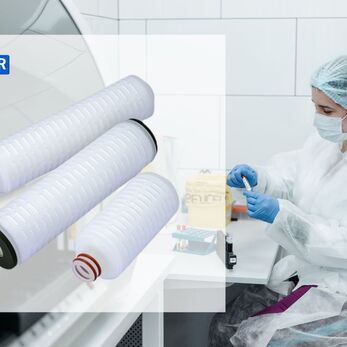
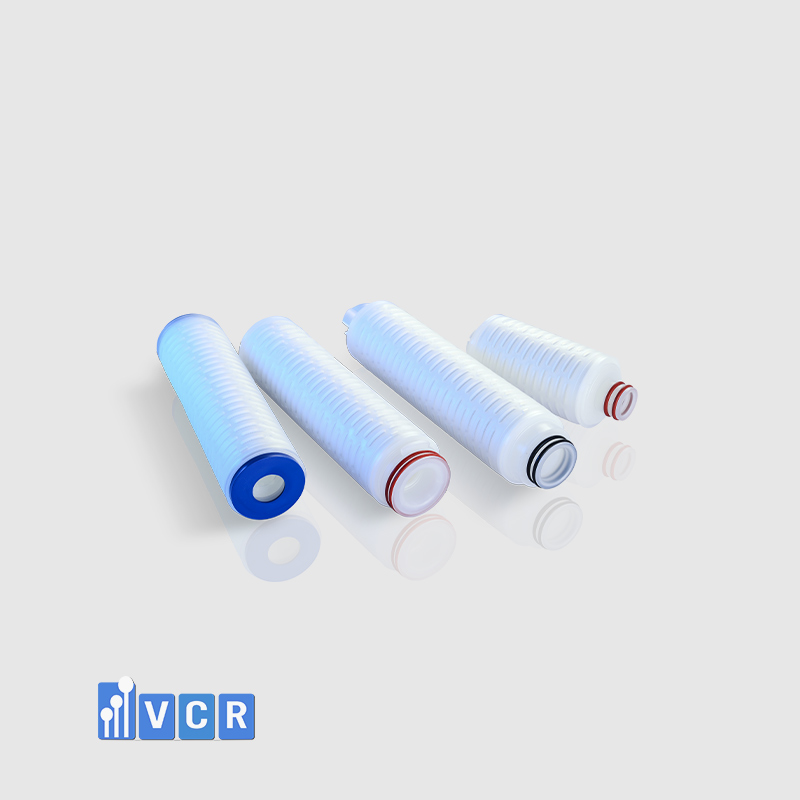
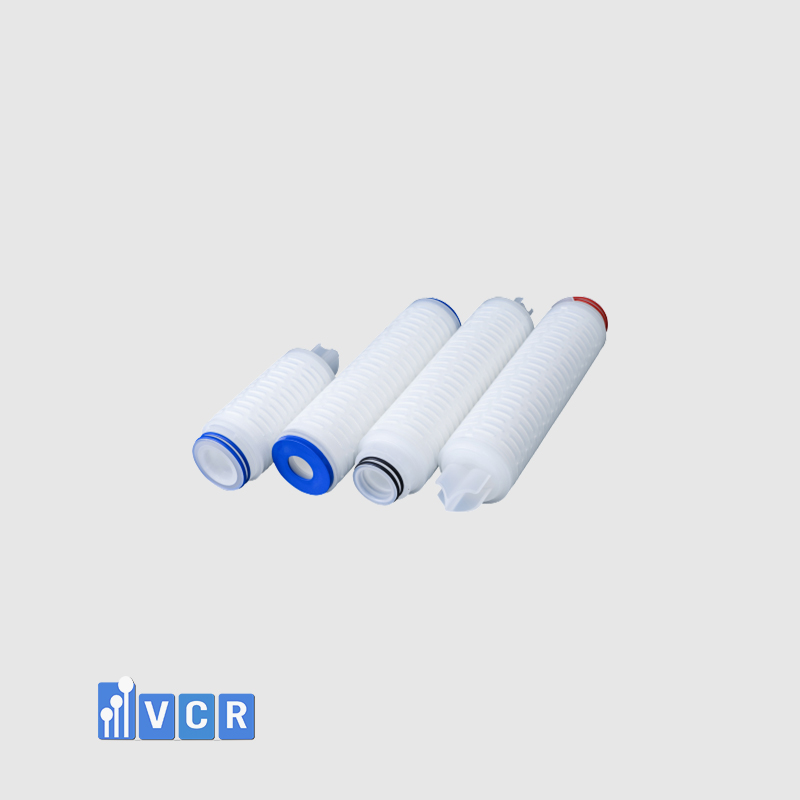
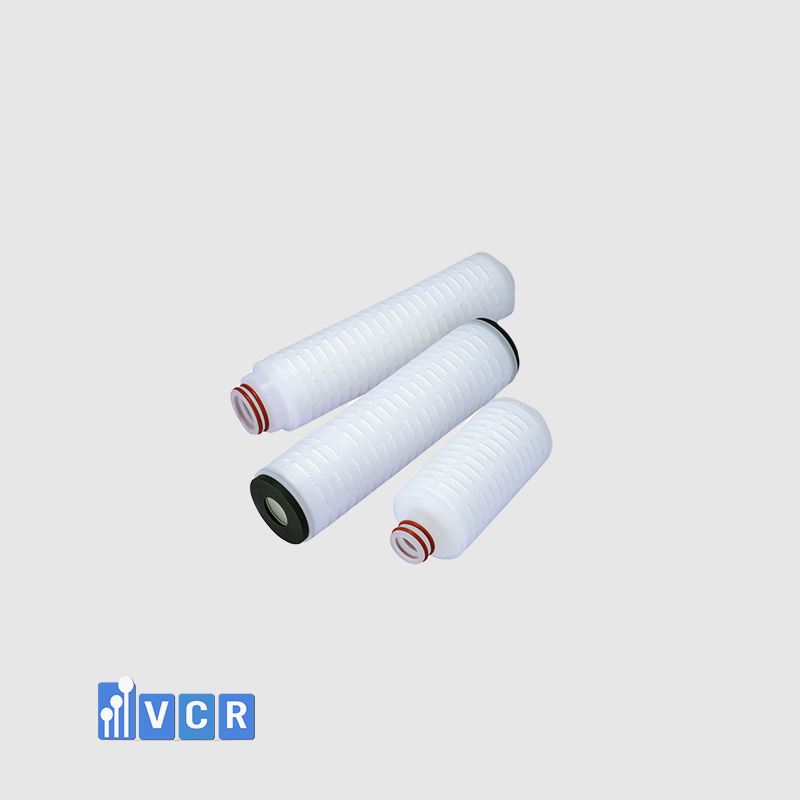
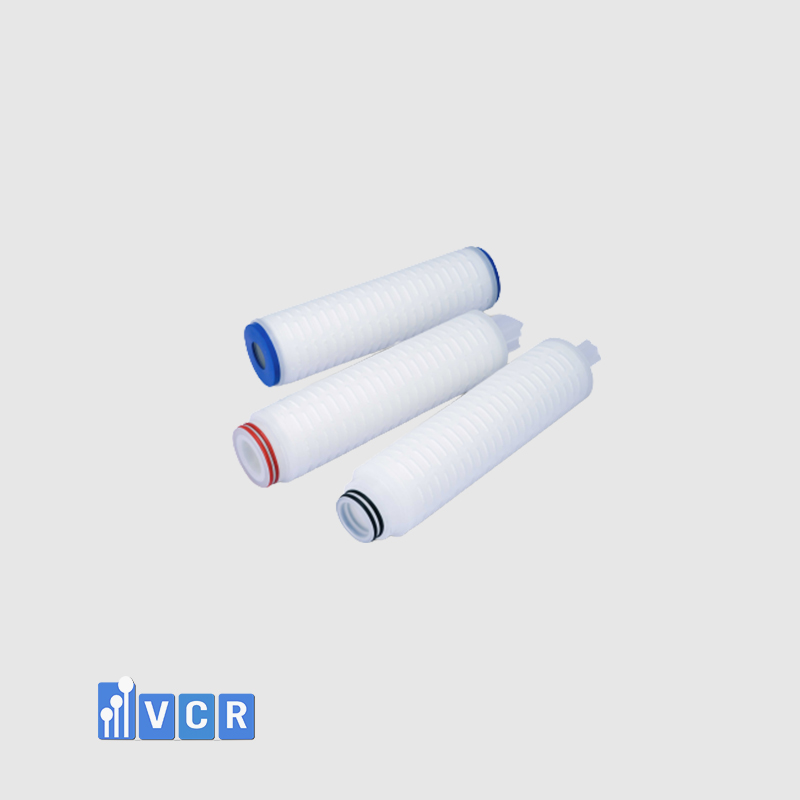
A pleated cartridge filter bag is a high-capacity filtration element that combines characteristics of a conventional liquid filter bag with those of a pleated filter cartridge. It is generally designed to fit inside an existing bag filter housing while providing more filtration media than a standard flat or cylindrical filter bag.
The term is used somewhat differently among manufacturers. Depending on the product design, it may refer to a rigid pleated cartridge manufactured in standard bag dimensions, a supported pleated element installed inside a bag basket, or a specially formed filter bag with an expanded pleated filtration surface.
In liquid filtration, the central objective is the same: increase the effective filtration area without requiring a larger pressure vessel.
Some commercial designs are explicitly developed to combine the handling convenience of a filter bag with the structural characteristics and increased media area of a cartridge. Eaton, for example, describes hybrid filter elements that combine bag and cartridge characteristics and provide more filtration area than a conventional filter bag. Other manufacturers offer deep-pleated, bag-sized cartridges that fit standard Size 1 or Size 2 bag housings.
This design can improve dirt-holding capacity, reduce differential-pressure growth, extend service intervals, and allow an existing bag filtration system to handle more demanding applications.
Is a Pleated Cartridge Filter Bag a Bag or a Cartridge?
A pleated cartridge filter bag is best understood as a hybrid filtration element rather than a completely separate filtration category.
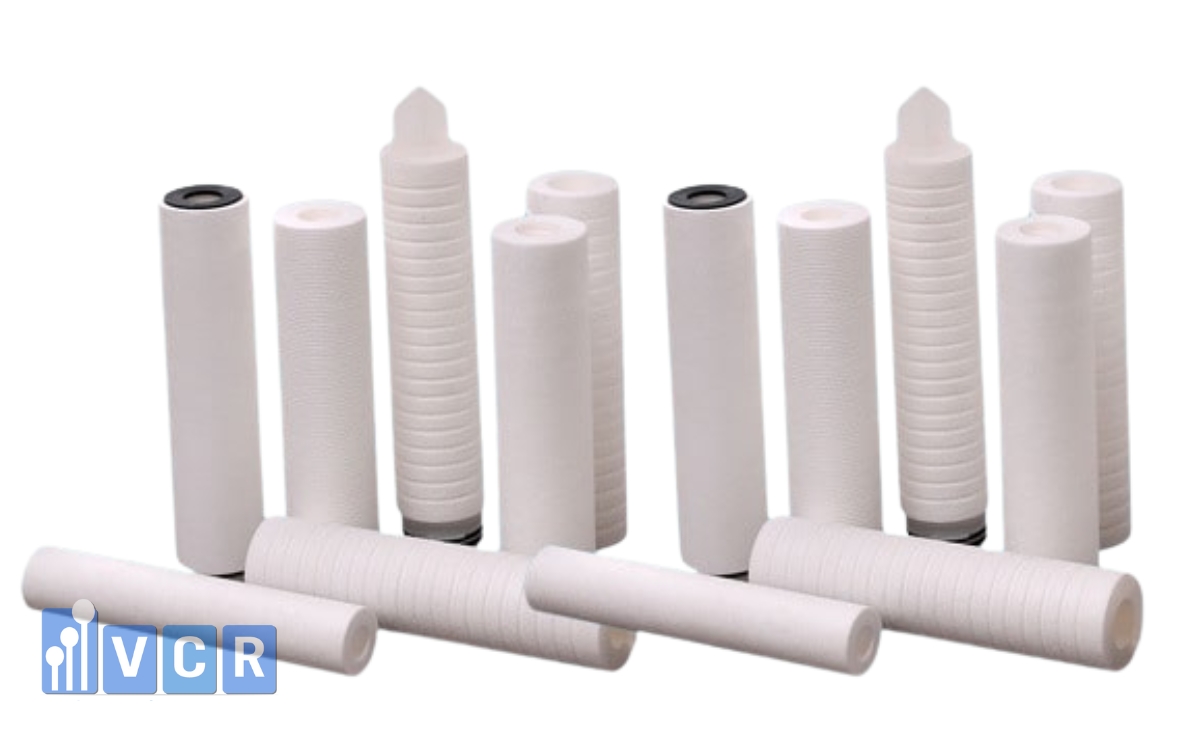
A conventional filter bag is normally manufactured from needle felt, woven mesh, melt-blown media, or multilayer fabric. The liquid generally enters the inside of the bag, passes through the filtration material, and leaves through the supporting basket.
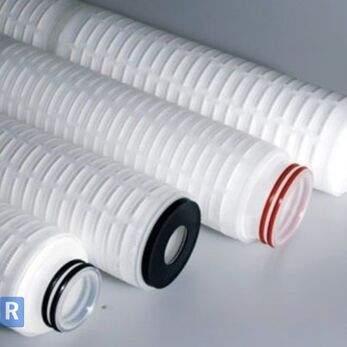
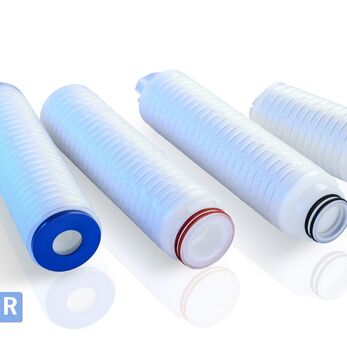
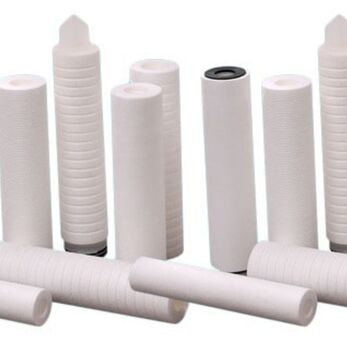
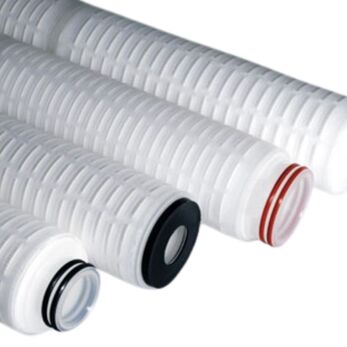
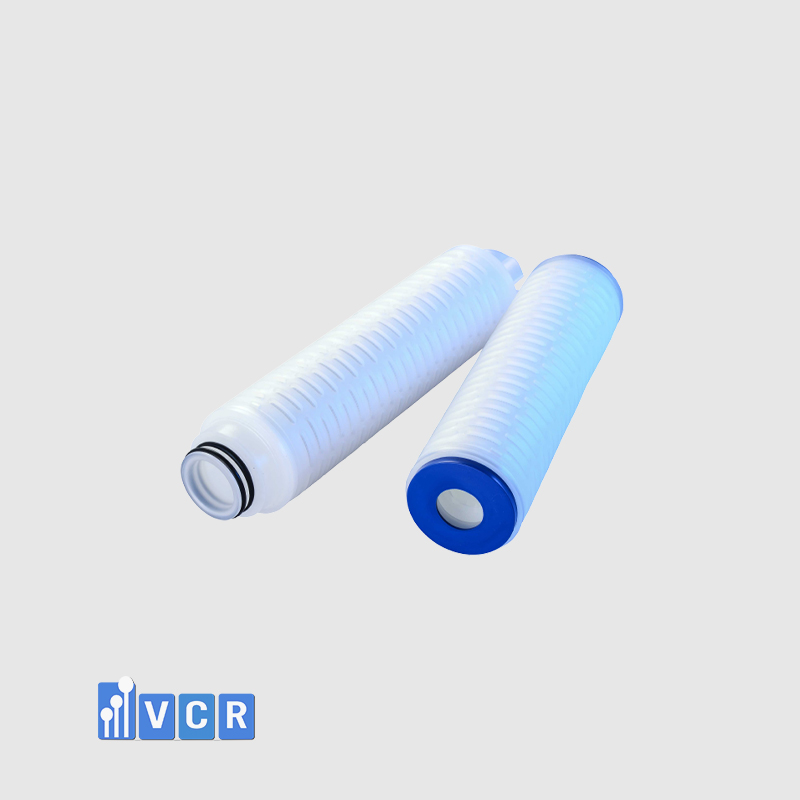
A conventional pleated cartridge contains folded filter media arranged around a central support core. The pleats create a large effective filtration area within a compact cylindrical shape.
A pleated cartridge filter bag uses the extended surface of pleated media but is dimensioned or configured for installation in a bag filter housing. It may therefore allow a plant to upgrade filtration performance without replacing the entire housing.
However, not every product described as a pleated filter bag is a rigid cartridge. Some liquid filter bags are formed from pleated needle felt or multilayer media while retaining a flexible bag-like construction. Eaton’s extended-life pleated liquid filter bags, for example, are available in polypropylene or polyester needle-felt configurations.
For this reason, users should examine the technical drawing and flow direction rather than relying only on the product name.
How Does a Pleated Cartridge Filter Bag Work?
The contaminated liquid enters the filter housing and is directed through the filter element. Suspended particles are captured on the surface of the filtration media, within its depth structure, or through a combination of both mechanisms.
The pleats expand the total media area. Instead of forcing the entire liquid flow through the relatively limited surface of a conventional bag, the pleated structure distributes the flow across a much larger filtration surface.
This produces several possible benefits.
The velocity through each unit area of filter media can be lower. A lower media velocity may improve contaminant retention, reduce the rate at which pressure drop rises, and extend the period before the element requires replacement.
The larger surface also allows more particles to be retained before the filter reaches its recommended terminal differential pressure.
Some pleated cartridge filter bags use surface-loading media. In these products, most particles remain close to the upstream surface and form a contaminant layer. Other products use depth-loading media that allows selected particles to penetrate and become trapped within the thickness of the media.
The actual filtration mechanism depends on the material, pore structure, micron rating, number of media layers, flow direction, and contaminant characteristics.
Main Components
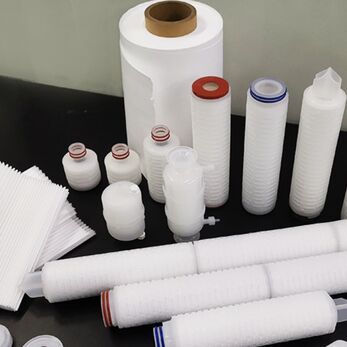
A typical pleated cartridge filter bag contains pleated filtration media, an internal or external support structure, end caps, a sealing collar or adapter, and sometimes a central core.
The media performs the particle-removal function. The support structure prevents the pleats from collapsing under differential pressure. The end caps connect and seal the media pack, while the collar forms the seal between the element and the filter housing.
Depending on the application, the construction may be fully polymeric or may incorporate stainless-steel support components.
Common media materials include polypropylene, polyester, nylon, cellulose blends, glass microfiber, and specialty membranes.
Polypropylene is frequently selected for water treatment and chemical processing because of its broad chemical compatibility and relatively low extractable content. Polyester provides good mechanical strength and dimensional stability. Nylon may be suitable for certain solvents and higher-temperature liquids, while specialized membrane media may be used where finer or more controlled particle retention is required.
Material selection must account for both the process liquid and the cleaning or sanitization chemicals.
Why Is the Media Pleated?
Pleating allows a large quantity of filtration media to fit inside a relatively small element envelope.
A flat sheet of media has limited surface area. By folding the material into multiple pleats, the manufacturer can increase the effective filtration surface without proportionally increasing the diameter or length of the filter.
High surface area can support higher flow, greater contaminant loading and lower initial resistance when the element is correctly designed. 3M describes pleated filter matrices as providing increased surface area, contaminant-loading capacity and low initial pressure drop.
However, adding more pleats does not automatically produce better performance. Pleats that are too closely spaced may restrict liquid flow and create narrow channels where contaminants accumulate.
The effective surface area depends on pleat depth, pleat spacing, media stiffness, support layers, flow distribution and the physical properties of the retained solids.
An optimized design must balance total media area with open flow passages.
Pleated Cartridge Filter Bag vs Conventional Filter Bag
A conventional liquid filter bag is generally simple, economical and suitable for applications with relatively high contaminant loads and nominal filtration requirements.
It can be easy to install and remove, particularly when used with a properly designed retaining basket and sealing ring. Filter bags are widely applied in water treatment, chemicals, coatings, automotive processes, food production and other industrial liquid systems.
A pleated cartridge filter bag normally offers more media area within the same housing size. This can provide longer operating life, lower average media velocity and more stable differential pressure.
The hybrid element may also provide more rigid construction and improved resistance to deformation. This is beneficial when the filtration system experiences pressure fluctuations or when reliable sealing is critical.
The main limitation is usually the higher element cost. A pleated cartridge filter bag may also retain more liquid after shutdown, require a specific support basket, or produce a larger volume of contaminated solid waste per element.
The correct comparison should therefore consider the total cost per volume of filtered liquid rather than only the purchase price of the element.
Pleated Cartridge Filter Bag vs Standard Pleated Cartridge
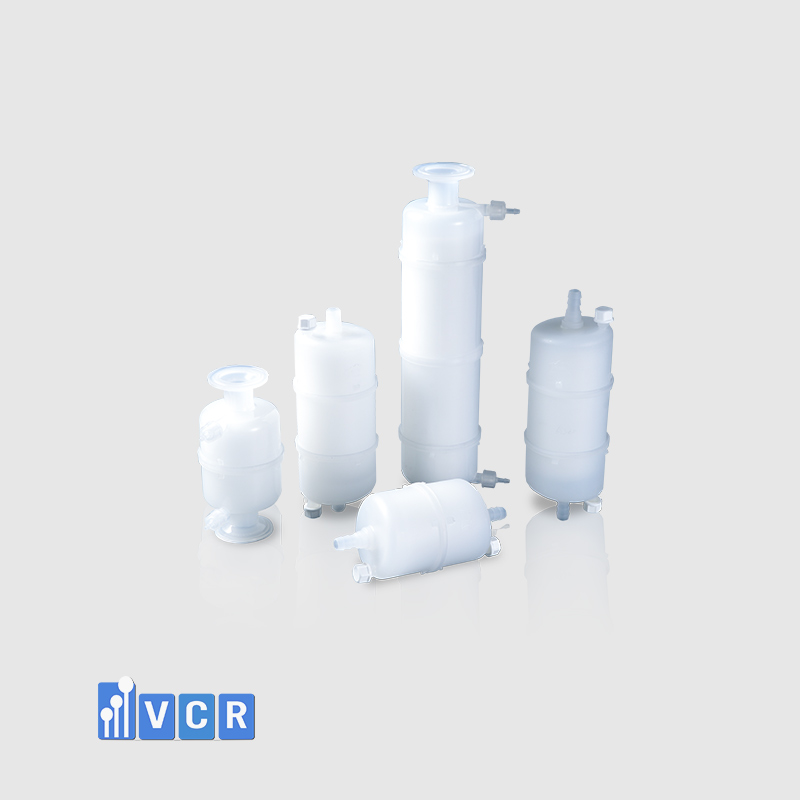
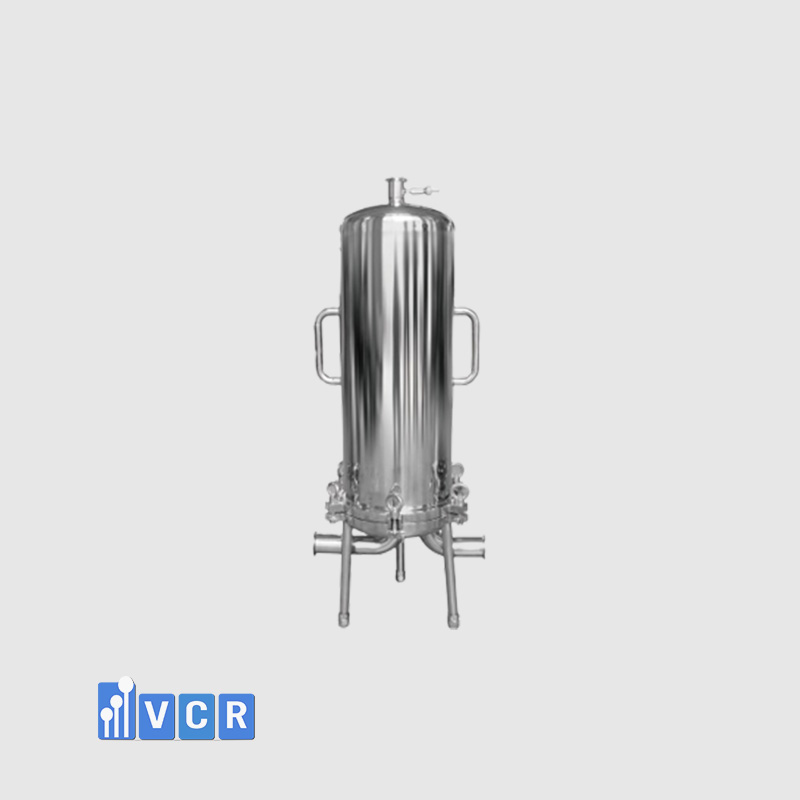
A standard pleated cartridge is usually installed in a cartridge housing with a dedicated tube sheet, adapter or center post. Multiple small-diameter cartridges may be required for a high-flow process.
A bag-sized pleated cartridge has a larger diameter and is designed to use the space available inside a conventional bag housing.
The bag-sized format may simplify system conversion because the existing pressure vessel can sometimes be retained. Some large pleated elements are specifically designed to retrofit bag filter housings or replace several conventional cartridge elements.
A standard cartridge system may still be preferable when the process requires a specific sanitary connection, validated absolute filtration rating, steam sterilization, membrane integrity testing or a highly controlled sealing arrangement.
The decision depends on the required filtration performance and the design of the existing system.
Nominal and Absolute Micron Ratings
Pleated cartridge filter bags are available in different micron ratings, but the stated micron value must be interpreted carefully.
A nominal-rated element removes a specified percentage of particles at or above a stated size under defined test conditions. The exact removal percentage may vary among manufacturers.
An absolute-rated filter is generally associated with a more clearly defined retention efficiency or beta ratio at the specified particle size.
Two filters labeled “5 micron” may therefore provide very different performance. One may be a nominal sediment filter, while the other may be a high-efficiency or absolute-rated element.
Selection should be based on a documented efficiency curve, beta ratio, challenge test or validated retention specification whenever downstream product quality is important.
The user should also determine whether the filtration requirement concerns hard particles, deformable gels, fibers, biological material or droplets. Particle shape and compressibility can significantly affect actual retention.
Differential Pressure and Filter Life
Differential pressure is the pressure difference between the upstream and downstream sides of the filter.
A clean filter has an initial differential pressure determined by the media, element geometry, liquid viscosity, flow rate and housing design.
As contaminants accumulate, flow resistance rises. The filter should be replaced when it reaches the manufacturer’s recommended terminal differential pressure or when the system can no longer maintain the required flow.
A pleated cartridge filter bag may offer a slower increase in differential pressure because the liquid is distributed over a larger media area.
However, filter life cannot be predicted by surface area alone. It also depends on the concentration, size distribution and physical properties of the contaminants.
Fine, sticky or gelatinous particles may block the media rapidly. Coarse, rigid particles may form a more permeable contaminant cake and allow longer operation.
Liquid viscosity is also important. A filter used for oil, resin, paint or syrup may generate a much higher differential pressure than the same filter handling water at the same flow rate.
Common Sizes and Housing Compatibility
Many pleated cartridge filter bags are designed to match standard industrial bag filter dimensions.
Common configurations are based on Size 1 and Size 2 bag housings. Size 1 elements are typically shorter, while Size 2 elements provide a longer filtration envelope for higher flow or greater contaminant capacity.
Actual dimensions vary by manufacturer. The sealing collar, basket diameter, housing depth and flow direction must be checked before installation.
A filter that physically fits inside the housing may still be unsuitable if the sealing interface is incorrect.
The user should verify the element length, outer diameter, collar style, gasket material, support-basket requirements, maximum differential pressure and recommended flow rate.
Retrofitting should not be based only on the nominal bag size.
Typical Applications
Pleated cartridge filter bags are used in industrial liquid systems where conventional bag filtration does not provide sufficient service life, filtration area or particle-removal performance.
In water treatment, they may be installed as prefilters before activated carbon, ion exchange, ultrafiltration, nanofiltration or reverse osmosis systems. They can remove suspended solids, rust, sand, pipe scale and other particulate contaminants.
In food and beverage production, suitable elements may be used for process water, syrup, edible oil, beverage intermediates and other liquids. The media and construction must comply with the applicable food-contact and hygienic requirements.
Chemical plants may use them for acids, alkalis, solvents, resins, adhesives and process intermediates, provided all materials are chemically compatible.
Metal-processing facilities use liquid filtration to remove chips, fines and other contaminants from parts-washing fluids, cutting fluids and coolants.
Other applications include paints, inks, coatings, pulp and paper, electronics manufacturing, petrochemicals, pharmaceuticals and utility water systems.
For regulated or high-purity processes, filtration performance, material traceability, extractables, microbial control and cleaning validation may be more important than nominal dirt-holding capacity.
Advantages of a Pleated Cartridge Filter Bag
The primary advantage is increased filtration area in a compact housing.
This can provide longer intervals between filter changes and reduce process interruptions. Fewer change-outs may also reduce operator exposure to contaminated liquid and lower labor requirements.
The larger surface can support a lower flow velocity through the media, which may improve contaminant retention and reduce initial pressure drop.
A rigid or semi-rigid structure can help prevent element collapse and maintain a consistent sealing position.
For existing plants, the ability to install a pleated element in a standard bag housing can be particularly valuable. It may allow filtration capacity to be increased without purchasing a new pressure vessel or substantially modifying the piping system.
Some bag-sized pleated cartridge products provide substantially more media area than conventional bags while using standard bag or strainer baskets.
Limitations
A pleated cartridge filter bag is not automatically the best choice for every filtration system.
The element generally costs more than a standard filter bag. The economic benefit depends on whether the increased service life offsets the higher purchase price.
Very heavy concentrations of coarse solids may rapidly fill the pleat spaces. In these applications, a conventional bag, basket strainer, self-cleaning filter or centrifugal separator may be more appropriate.
Sticky and deformable contaminants may blind the pleated media. A depth-loading bag or specially designed media may perform better.
The element can also be heavier after use because it retains both contaminants and process liquid. Safe lifting and disposal procedures may be required.
Compatibility with the existing basket and sealing interface must be confirmed. An incorrectly installed element can permit unfiltered liquid to bypass the media.
How to Select the Correct Pleated Cartridge Filter Bag
Selection should begin with the required filtrate quality rather than the physical size of the existing housing.
The engineer should identify the target contaminant, particle-size distribution, solids concentration, liquid viscosity, operating temperature, chemical composition and required flow rate.
The filtration rating must then be selected according to the required downstream protection or product-quality objective.
Chemical compatibility should be checked for the media, support layers, end caps, seals and adhesives. Compatibility must be evaluated at the actual process temperature and concentration.
The initial clean differential pressure should be calculated or obtained from the manufacturer’s flow data. Sufficient pressure must remain available as the element loads with contaminants.
The maximum allowable differential pressure must not exceed the structural limit of the element or housing.
Housing compatibility must be verified using an approved technical drawing. The sealing design is especially important because bypass leakage can compromise the entire filtration process.
For food, beverage, pharmaceutical or drinking-water applications, the user should request appropriate material declarations, food-contact compliance and manufacturing-quality documentation.
Installation and Operation
Before installation, the filter housing should be isolated, depressurized, drained and cleaned.
The element should be inspected for shipping damage, deformed pleats, cracked end caps or damaged seals.
It must be positioned in the correct flow direction and seated evenly against the housing adapter or retaining mechanism.
The housing should be closed according to the manufacturer’s instructions. The system should then be filled slowly to avoid hydraulic shock and trapped air.
After startup, operators should check the housing for leakage and record the initial differential pressure at the normal operating flow.
During operation, pressure drop should be monitored regularly. A sudden reduction in differential pressure may indicate media damage or bypass, while an unusually rapid increase may suggest excessive solids loading, high viscosity or incorrect filter sizing.
Can a Pleated Cartridge Filter Bag Be Cleaned?
Some pleated cartridge filter bags are washable or cleanable, but many are designed for single use.
Cleanability depends on the filter material, contaminant type, pleat construction, sealing method and process requirements.
A reusable synthetic-media element handling water and coarse sediment may tolerate controlled rinsing. A fine-rated element used in a critical process may not retain its original efficiency after cleaning.
High-pressure washing can damage the pleats, enlarge pores or separate bonded components. Chemical cleaning can affect media strength, gaskets and adhesives.
The element should only be cleaned when the manufacturer provides an approved procedure. In hygienic or validated processes, reuse should also be supported by documented inspection and performance criteria.
Pleated Filter Bags for Dust Collection Are Different
The phrase “pleated filter bag” is also used in dry-air dust collection. These products should not be confused with liquid pleated cartridge filter bags.
A dust-collector pleated bag is installed in a baghouse or cartridge dust collector and removes airborne particulate matter from an industrial exhaust stream. It is typically cleaned by reverse-air or pulse-jet systems.
Donaldson describes pleated bag filters for baghouse dust collectors as shorter alternatives to traditional felt bags and cages, particularly where compact design, abrasive dust handling or easier filter replacement is important.
Liquid filter elements and dust-collector filters have different media, flow behavior, pressure conditions, sealing systems and cleaning methods.
A buyer should therefore specify whether the application involves liquid filtration or industrial air and dust collection.
Frequently Asked Questions
what is a pleated cartridge filter bag?
A pleated cartridge filter bag is an extended-surface filtration element designed to combine the increased media area of a pleated cartridge with the dimensions or installation format of a filter bag.
is a pleated cartridge filter bag used for water filtration?
Yes. Suitable elements are used for sediment removal, process-water filtration, prefiltration and equipment protection. The media, micron rating and material certification must match the water application.
can it fit inside a standard bag filter housing?
Many products are designed to fit standard Size 1 or Size 2 bag housings, but compatibility is not universal. The dimensions, sealing collar, basket and flow direction must be confirmed.
is it better than a conventional filter bag?
It may provide more filtration area, longer service life and lower media velocity. A conventional filter bag may still be more economical for high concentrations of coarse solids or applications that do not require improved filtration performance.
what micron ratings are available?
Available ratings vary widely according to the media and manufacturer. Selection should be based on verified retention efficiency rather than the micron number alone.
does pleated media always provide lower pressure drop?
Not always. Properly designed pleats can increase open media area and reduce media velocity, but narrow or overloaded pleat channels may increase resistance. Actual pressure-drop data should be reviewed at the required flow and liquid viscosity.
can the element be reused?
Only when it is identified as reusable and the manufacturer provides an approved cleaning method. Many pleated cartridge filter bags are disposable.
what materials are commonly used?
Common materials include polypropylene, polyester, nylon, cellulose blends and specialty membrane media. Gaskets and structural components must also be compatible with the process liquid.
how do I know when the filter should be replaced?
Replacement is normally based on terminal differential pressure, reduced process flow, filtrate-quality deterioration, physical damage or a validated maintenance interval.
is a pleated cartridge filter bag the same as a dust collector filter?
No. The same wording may be used commercially for both liquid filtration and dry dust collection, but the products are technically different. The application must always be specified when requesting a quotation.
Conclusion
A pleated cartridge filter bag is an extended-surface filtration element that can increase the capacity of an existing bag filtration system without requiring a larger housing.
By combining pleated media with a bag-sized format, the element can offer greater filtration area, lower media velocity, higher contaminant capacity and longer intervals between filter changes.
Its actual performance depends on media design, micron rating, liquid viscosity, contaminant characteristics, differential pressure, chemical compatibility and housing sealing.
The product name alone is not sufficient for correct selection. Buyers should verify whether the element is intended for liquid filtration or dust collection, whether its rating is nominal or absolute, and whether its dimensions and sealing system are compatible with the existing housing.
When properly selected, a pleated cartridge filter bag can provide an effective upgrade from conventional bag filtration while reducing downtime and improving overall filtration consistency.