- What Is a Pleated Filter?
- What Is a Bag Filter?
- Pleated Filter vs Bag Filter: Main Difference
- Filtration Efficiency
- Airflow and Pressure Drop
- Dust-Holding Capacity
- Installation Space
- Structural Stability
- Maintenance and Replacement
- Energy Consumption
- Use in Cleanroom HVAC Systems
- When Should You Choose a Pleated Filter?
- When Should You Choose a Bag Filter?
- Pleated Filter or Bag Filter for HEPA Protection?
- Common Selection Mistakes
- How to Select the Right Filter
- Final Comparison
- Frequently Asked Questions
- Conclusion
Choosing between a pleated filter and a bag filter is an important decision in HVAC systems, cleanrooms, pharmaceutical facilities, food factories, hospitals, laboratories, and industrial ventilation systems. Although both filters are designed to remove airborne particles, they differ significantly in construction, filtration efficiency, airflow resistance, dust-holding capacity, installation space, maintenance requirements, and operating cost.
A pleated filter is typically a compact panel filter made from folded filtration media. The pleated structure increases the effective filtration surface within a relatively small frame. A bag filter, also known as a pocket filter, consists of several flexible filter pockets extending downstream from a rigid header frame. These pockets provide a larger filtration area and are commonly used as medium- or high-efficiency filters in air-handling units.
The most suitable filter cannot be selected by efficiency alone. Engineers must also evaluate the required indoor air quality, available installation space, expected dust concentration, fan capacity, allowable pressure drop, replacement frequency, energy consumption, and the role of downstream HEPA or ULPA filters.
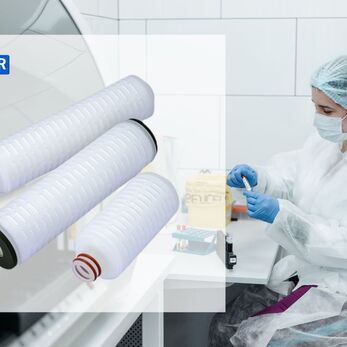
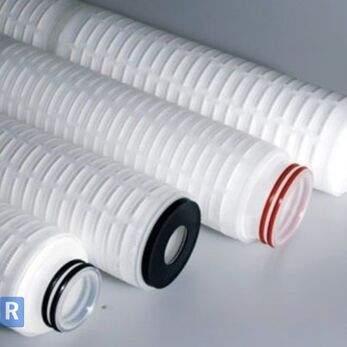
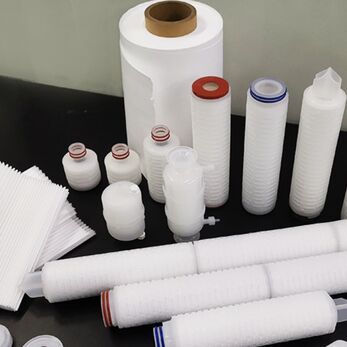
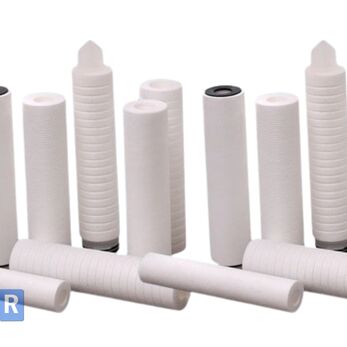
What Is a Pleated Filter?
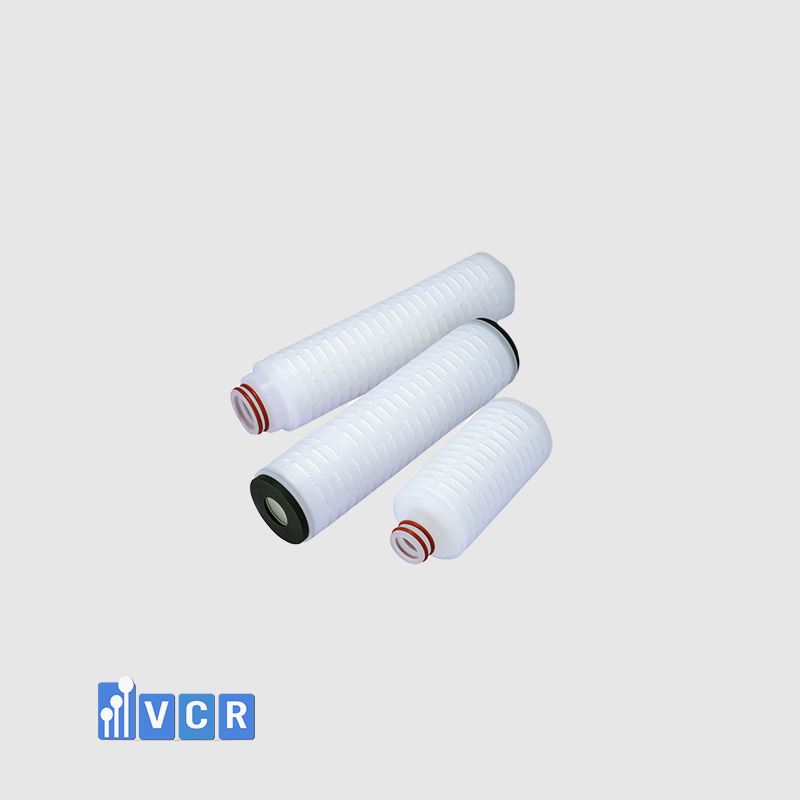
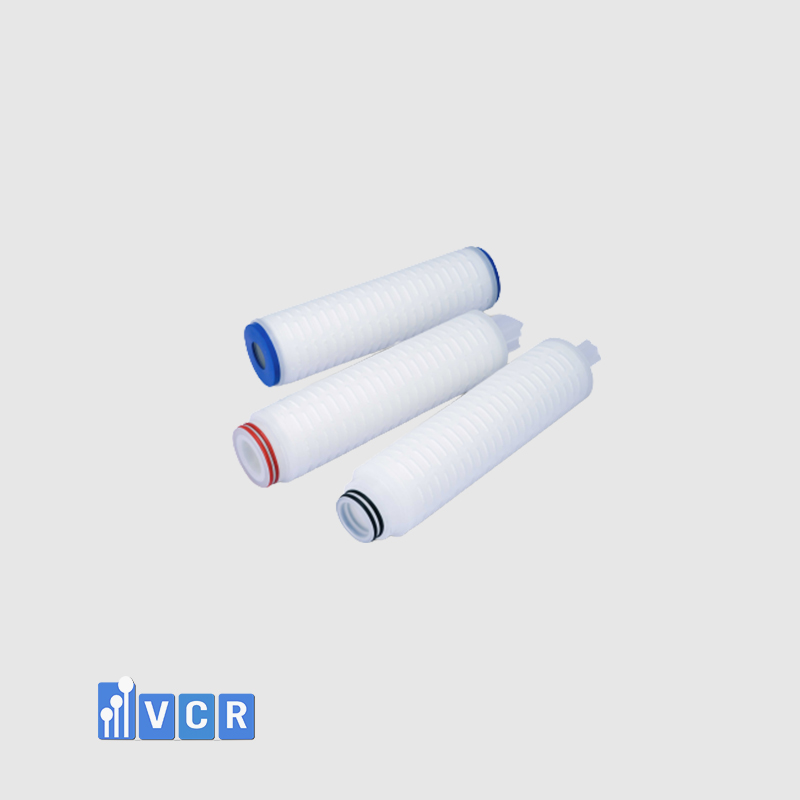
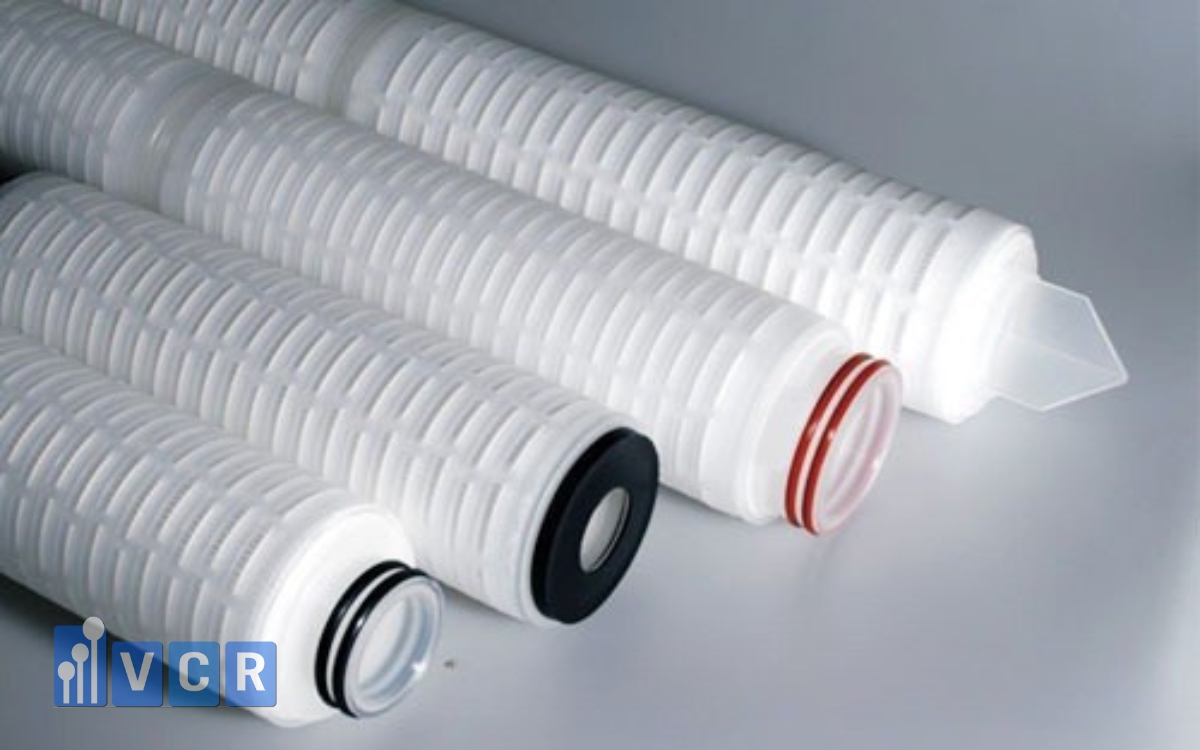
A pleated filter is an air filter constructed by folding the filtration media into multiple pleats. These folds increase the media area without greatly increasing the external dimensions of the filter.
Pleated filters are commonly manufactured using synthetic fibers, fiberglass, polypropylene, polyester, or blended filtration media. The filter media is supported by a frame made from cardboard, galvanized steel, aluminum, plastic, or stainless steel, depending on the application.
In general HVAC applications, pleated filters are frequently installed as prefilters to capture coarse and medium-sized particles before the air reaches cooling coils, fans, bag filters, compact filters, or HEPA filters.
The compact design of a pleated filter makes it suitable for systems with limited installation depth. Its rigid structure also simplifies installation and replacement. However, dust-holding capacity may be lower than that of a properly designed bag filter, especially when the pleated filter has a shallow depth or limited media area.
What Is a Bag Filter?
A bag filter, often called a pocket filter, contains multiple flexible pockets attached to a common header frame. Air flows through the pockets, and particles are retained by the filtration media.
Bag filters are usually produced from synthetic fiber, fiberglass, melt-blown media, or composite filtration materials. The pockets may be stitched, welded, or formed with internal separators to maintain their shape and prevent excessive contact between adjacent pockets.
Because the filter pockets extend into the air-handling unit, bag filters offer a large filtration surface. This construction allows them to capture more dust while maintaining a relatively moderate pressure drop.
Bag filters are commonly used as secondary filters in commercial HVAC systems, pharmaceutical plants, hospitals, food production facilities, electronics factories, laboratories, and cleanroom air-handling systems. They are often installed downstream of a coarse prefilter and upstream of a HEPA filter.
Pleated Filter vs Bag Filter: Main Difference
The primary difference between a pleated filter and a bag filter is the arrangement and total area of the filtration media.
A pleated filter compresses folded media into a compact panel. It requires less installation depth and is easier to handle. A bag filter extends several pockets into the airflow path, providing a larger media area and usually a greater dust-holding capacity.
This structural difference affects airflow resistance, service life, energy consumption, installation space, and the ability of the filter to handle high dust loads.
For systems with limited space and moderate contamination levels, a pleated filter may be the more practical choice. For systems operating continuously or handling larger amounts of dust, a bag filter may provide a longer service life and more stable performance.
Filtration Efficiency
Both pleated filters and bag filters are available in different efficiency levels. Therefore, filter type alone does not determine particle-removal performance.
A low-efficiency pleated filter may be used as a coarse prefilter, while a high-performance pleated filter may reach a significantly higher filtration class. Similarly, bag filters are available in several efficiency grades for different HVAC and industrial applications.
Filter efficiency should be evaluated according to the relevant classification standard, test method, rated airflow, particle size range, and operating condition. Engineers should not assume that every bag filter is more efficient than every pleated filter.
When comparing two products, it is necessary to examine the manufacturer’s certified data, including initial efficiency, fractional efficiency, rated airflow, initial pressure drop, recommended final pressure drop, and test standard.
Airflow and Pressure Drop
Pressure drop is one of the most important factors when comparing pleated filters and bag filters. It represents the resistance that the filter creates against airflow.
A pleated filter with limited media area may produce a relatively high face velocity through the filtration media. As dust accumulates, resistance can rise more quickly.
A bag filter normally provides a larger media area, allowing air to pass through the material at a lower media velocity. This can result in a lower or more stable pressure drop, particularly when the filter is properly designed and the pockets remain fully open.
However, bag filter performance depends strongly on pocket geometry, stitching, separators, airflow distribution, installation orientation, and the amount of space available downstream. Poorly designed pockets may collapse, inflate unevenly, or contact one another, reducing effective media area and increasing resistance.
The correct comparison must therefore be made using actual technical data at the same airflow rate and filtration efficiency.
Dust-Holding Capacity
Bag filters generally have a higher dust-holding capacity because they contain more filtration media. This is particularly useful in systems exposed to high outdoor dust concentrations, continuous production, or long operating hours.
Higher dust-holding capacity can reduce replacement frequency and help maintain stable airflow over a longer period. This advantage may make bag filters more economical in large air-handling units, even when their initial purchase price is higher.
Pleated filters may reach their recommended final resistance sooner, especially when used in dusty environments without an upstream coarse filter. Nevertheless, a deep pleated filter with high-quality media can offer good dust capacity while requiring less installation space than a conventional bag filter.
The actual service life depends on dust concentration, particle characteristics, humidity, airflow, operating hours, filtration area, media structure, and the selected replacement pressure drop.
Installation Space
Pleated filters are usually more compact than bag filters. Their shallow or medium-depth construction makes them suitable for fan coil units, rooftop units, return-air systems, compact air-handling units, terminal devices, and equipment with restricted filter sections.
Bag filters require sufficient downstream depth for their pockets to expand fully. The air-handling unit must also provide adequate access for installation, inspection, and replacement.
Where space is limited, a pleated filter or rigid compact filter may be easier to integrate. Where the air-handling unit has a large filter chamber, a bag filter can provide additional media area without significantly increasing the face dimensions.
Installation space should be evaluated during the design stage rather than after the air-handling unit has been manufactured.
Structural Stability
Pleated filters usually have a rigid structure. The pleats are often supported by wire mesh, adhesive beads, separators, or molded plastic components. This stability helps the filter maintain its shape under changing airflow conditions.
Bag filters are more flexible. Their performance depends on the pockets opening correctly when the system starts. When airflow is too low, pockets may not inflate fully. When airflow is uneven, some pockets may receive more air than others.
Internal separators can improve pocket stability and airflow distribution. In high-quality bag filters, each pocket is designed to maintain its shape and prevent excessive contact with adjacent pockets.
For systems with frequent fan starts, variable airflow, turbulent inlet conditions, or limited downstream clearance, structural stability must be considered carefully.
Maintenance and Replacement
Pleated filters are generally easier to handle because they are compact, rigid, and available in standard dimensions. Maintenance personnel can remove and replace them quickly.
Bag filters require more careful handling. The pockets should not be torn, compressed excessively, or installed in a way that prevents them from expanding. Maintenance staff must also ensure that every pocket is positioned correctly.
Filter replacement should be based on pressure-drop monitoring, system performance, hygiene requirements, maintenance schedules, and contamination risk. Replacing filters only according to a fixed calendar period may result in premature disposal or excessive airflow resistance.
Differential pressure gauges or pressure transmitters should be installed across important filter stages. This allows facility operators to identify filter loading and plan replacements based on actual operating conditions.
Energy Consumption
The initial purchase price represents only a small part of the total lifecycle cost of an air filter. Fan energy is often a major operating expense.
As filter resistance increases, the fan must generate additional pressure to maintain the required airflow. In constant-speed systems, airflow may decrease. In variable-speed systems, the fan may consume more power to compensate for the additional resistance.
A bag filter with a large media area may maintain lower average resistance during its service life. This can reduce fan energy consumption. However, the benefit depends on filter design, efficiency class, dust load, replacement strategy, and actual operating airflow.
A high-quality pleated filter with optimized media can also provide low resistance and good energy performance. Therefore, lifecycle cost should be calculated using average pressure drop rather than initial pressure drop alone.
Use in Cleanroom HVAC Systems
In a cleanroom air-handling system, pleated filters and bag filters usually serve as prefiltration or secondary filtration stages. They protect cooling coils, fans, air ducts, terminal HEPA filters, and other critical components from excessive particle loading.
A typical filtration arrangement may include a coarse prefilter, a medium-efficiency secondary filter, and a terminal HEPA filter. Depending on the system design, the coarse stage may use a pleated panel filter, while the secondary stage may use a bag filter or rigid compact filter.
The selection should be based on the required cleanliness level, outdoor air quality, recirculation ratio, process contamination, operating schedule, HEPA filter replacement cost, and available fan pressure.
In pharmaceutical and healthcare applications, filter construction materials must also be evaluated for fiber shedding, moisture resistance, microbial growth risk, cleanability, chemical compatibility, and fire performance.
Neither a pleated filter nor a bag filter should be considered a direct substitute for a HEPA filter unless its certified efficiency meets the required classification and application criteria.
When Should You Choose a Pleated Filter?
A pleated filter is generally suitable when the HVAC system has limited installation depth, moderate dust loading, standard panel filter housings, or a requirement for simple maintenance.
It is often selected as a prefilter for fan coil units, rooftop units, small air-handling units, cleanroom equipment, air showers, pass boxes, laminar airflow units, dispensing booths, and other systems where compact dimensions are important.
Pleated filters are also useful when frequent inspection or replacement is expected. Their rigid design makes them easier to transport, store, and install.
For more demanding applications, engineers should select pleated filters with an adequate depth, high media area, stable pleat spacing, low initial resistance, and verified filtration performance.
When Should You Choose a Bag Filter?
A bag filter is generally preferable when the system operates for long periods, handles significant dust loads, has sufficient installation depth, and requires high dust-holding capacity.
Bag filters are widely used in central air-handling units for factories, hospitals, laboratories, commercial buildings, pharmaceutical facilities, food plants, and cleanrooms.
They are especially useful as secondary filters upstream of expensive HEPA filters. By capturing a larger proportion of incoming particles, the bag filter can extend HEPA filter service life and reduce maintenance costs.
The air-handling unit must provide uniform airflow and sufficient space for the pockets to expand. The filter frame and sealing system must also prevent bypass leakage.
Pleated Filter or Bag Filter for HEPA Protection?
Both filter types can protect downstream HEPA filters, but the best arrangement depends on environmental conditions and system configuration.
A pleated filter may be used as the first filtration stage to remove larger particles. A bag filter can then provide an additional medium- or fine-filtration stage before the air reaches the HEPA filter.
In dusty locations, a multi-stage arrangement can significantly increase HEPA service life. Using only a high-efficiency filter without adequate prefiltration may cause rapid loading, increased pressure drop, reduced airflow, and higher operating cost.
For critical cleanroom systems, filter selection should be coordinated with the airflow design, fan static-pressure calculation, HEPA filter specification, pressure-monitoring system, commissioning plan, and maintenance procedure.
Common Selection Mistakes
One common mistake is comparing filters only by purchase price. A lower-cost filter may require more frequent replacement or create higher fan energy consumption.
Another mistake is selecting a filter by nominal efficiency without checking the applicable test standard. Two products described with similar marketing terms may perform differently under standardized testing.
Engineers may also overlook installation depth, sealing quality, airflow distribution, moisture resistance, and final pressure drop. These factors can directly affect real operating performance.
It is also incorrect to assume that a larger filter always provides better results. The filtration media, pocket arrangement, pleat geometry, frame rigidity, sealing system, and manufacturing quality are equally important.
How to Select the Right Filter
The selection process should begin with the required air quality and filtration function. The engineer should determine whether the filter will serve as a coarse prefilter, secondary filter, final filter, process-protection filter, or HEPA-protection stage.
The next step is to establish the rated airflow, available filter dimensions, installation depth, expected dust concentration, allowable initial pressure drop, recommended final pressure drop, fan capacity, humidity, temperature, and operating hours.
The filter should then be evaluated using certified performance data. Important information includes filtration class, particle efficiency, airflow capacity, initial resistance, dust-holding capacity, construction material, sealing method, recommended replacement resistance, and relevant test standards.
For cleanroom projects, Vietnam Cleanroom Equipment can support contractors and factory owners in evaluating filtration stages for air-handling units, fan filter units, laminar airflow systems, pass boxes, air showers, dispensing booths, and other cleanroom equipment. The objective is not simply to supply a filter, but to ensure compatibility between filtration efficiency, airflow, pressure drop, installation space, and maintenance requirements.
Final Comparison
A pleated filter is compact, rigid, easy to install, and suitable for applications with limited space. It is frequently used as a prefilter and can provide effective particle removal when correctly selected.
A bag filter provides a larger filtration area, higher dust-holding capacity, and potentially longer service life. It is often used as a secondary filter in central air-handling units and cleanroom HVAC systems.
Neither option is universally better. The correct choice depends on the required efficiency, airflow rate, pressure-drop limit, available installation depth, dust concentration, maintenance strategy, and total lifecycle cost.
For many cleanroom HVAC systems, the most effective solution is not choosing only one filter type. A pleated prefilter and a bag secondary filter can be combined to protect downstream HEPA filters and maintain stable system performance.
Frequently Asked Questions
is a bag filter better than a pleated filter?
A bag filter is not automatically better. It usually provides a larger filtration area and higher dust-holding capacity, while a pleated filter is more compact and easier to install. The better option depends on airflow, filtration efficiency, space, dust load, and operating cost.
which filter has a lower pressure drop?
A properly designed bag filter may have a lower or more stable pressure drop because of its large media area. However, high-quality pleated filters can also provide low resistance. The comparison must be made at the same airflow and efficiency level.
which filter lasts longer?
Bag filters often last longer in high-dust environments because they can hold more particles. Actual service life depends on dust concentration, airflow, media area, operating hours, humidity, and the selected replacement pressure drop.
can a pleated filter replace a bag filter?
A pleated filter can replace a bag filter only when its efficiency, airflow capacity, pressure drop, dust-holding capacity, dimensions, and system compatibility satisfy the design requirements. A direct replacement should not be made based only on external dimensions.
are pleated filters used in cleanrooms?
Yes. Pleated filters are commonly used as prefilters in cleanroom air-handling units and cleanroom equipment. They help protect coils, fans, secondary filters, and HEPA filters from coarse and medium-sized particles.
are bag filters HEPA filters?
No. A conventional bag filter is normally a medium- or fine-efficiency HVAC filter, not a HEPA filter. HEPA filters are tested and classified according to specific high-efficiency filtration requirements.
what is the best filter arrangement for a cleanroom AHU?
The arrangement depends on the cleanroom grade, outdoor air quality, process risk, airflow system, and HEPA configuration. A common design uses a coarse pleated prefilter, a medium- or fine-efficiency bag filter, and a final or terminal HEPA filter.
how should filter replacement be determined?
Replacement should be based on measured pressure drop, airflow performance, hygiene condition, risk assessment, manufacturer recommendations, and maintenance procedures. Differential pressure monitoring provides a more reliable basis than replacement by time alone.
Conclusion
The comparison between a pleated filter and a bag filter involves more than filtration efficiency. Pleated filters offer compact dimensions, structural rigidity, and straightforward maintenance. Bag filters provide a larger media area, greater dust-holding capacity, and potentially longer operating life.
The best selection is the filter that meets the required particle efficiency while maintaining acceptable airflow, pressure drop, energy consumption, service life, and installation compatibility.
For cleanrooms and controlled environments, filter selection should always be integrated with the overall HVAC design. Correct filtration staging can protect HEPA filters, stabilize room pressure, reduce energy consumption, extend equipment life, and support reliable contamination control.