- What Is a High Flow Pleated Filter Cartridge?
- How Does a High Flow Pleated Filter Cartridge Work?
- Why Can a High Flow Cartridge Handle More Liquid?
- Main Components of a High Flow Pleated Cartridge
- Common Filter Media
- Polypropylene High Flow Cartridge
- Glass Fiber High Flow Cartridge
- Polyester High Flow Cartridge
- PES, PTFE, and PVDF High Flow Cartridges
- Stainless Steel High Flow Cartridge
- Nominal and Absolute Micron Ratings
- Typical Micron Ratings
- High Flow Cartridge vs Standard Pleated Cartridge
- High Flow Cartridge vs Filter Bag
- High Flow Cartridge vs Conventional Multi-Cartridge System
- Flow Rate and Pressure Drop
- Dirt-Holding Capacity
- Reverse Osmosis Pretreatment
- Power Generation
- Food and Beverage Production
- Chemical Processing
- Electronics and Semiconductor Applications
- Oil and Gas Applications
- Cooling Water and Industrial Utilities
- Advantages of High Flow Pleated Filter Cartridges
- Limitations of High Flow Cartridges
- Can High Flow Cartridges Be Cleaned and Reused?
- When Should a High Flow Cartridge Be Replaced?
- How to Select a High Flow Pleated Filter Cartridge
- Information Required for a Quotation
- High Flow Pleated Filter Cartridges from VCR
- Frequently Asked Questions
- Conclusion
What Is a High Flow Pleated Filter Cartridge?
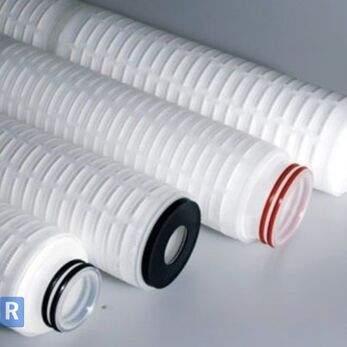
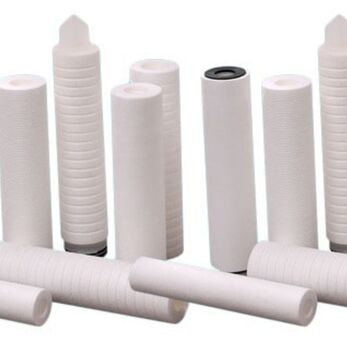
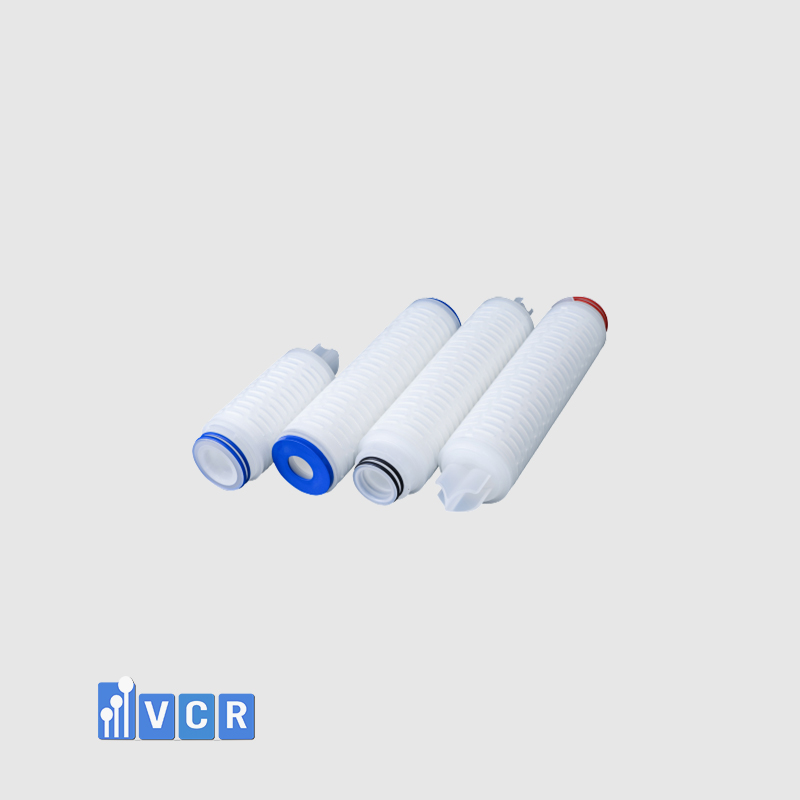
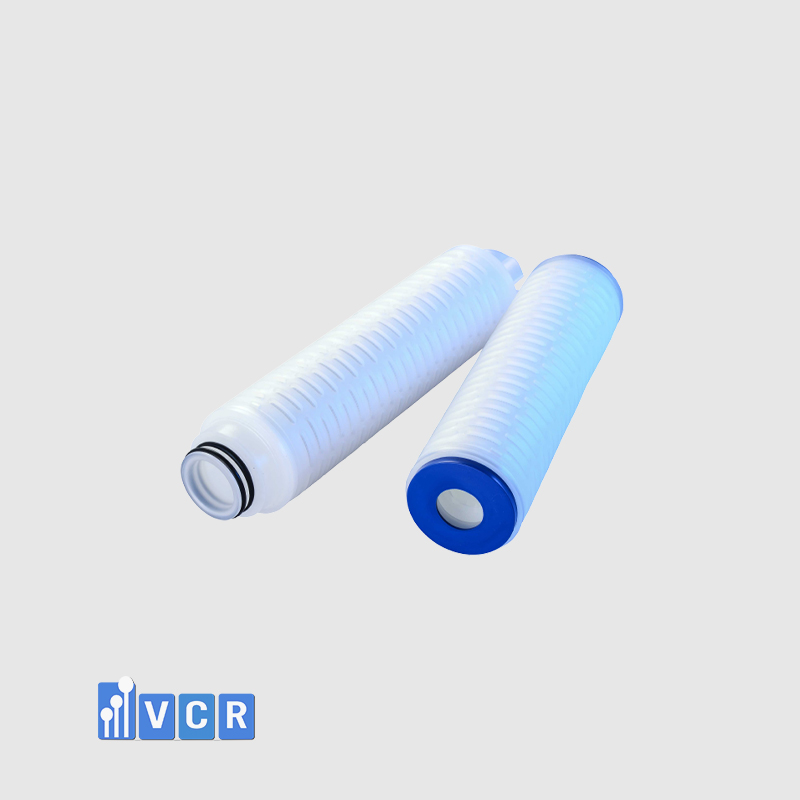
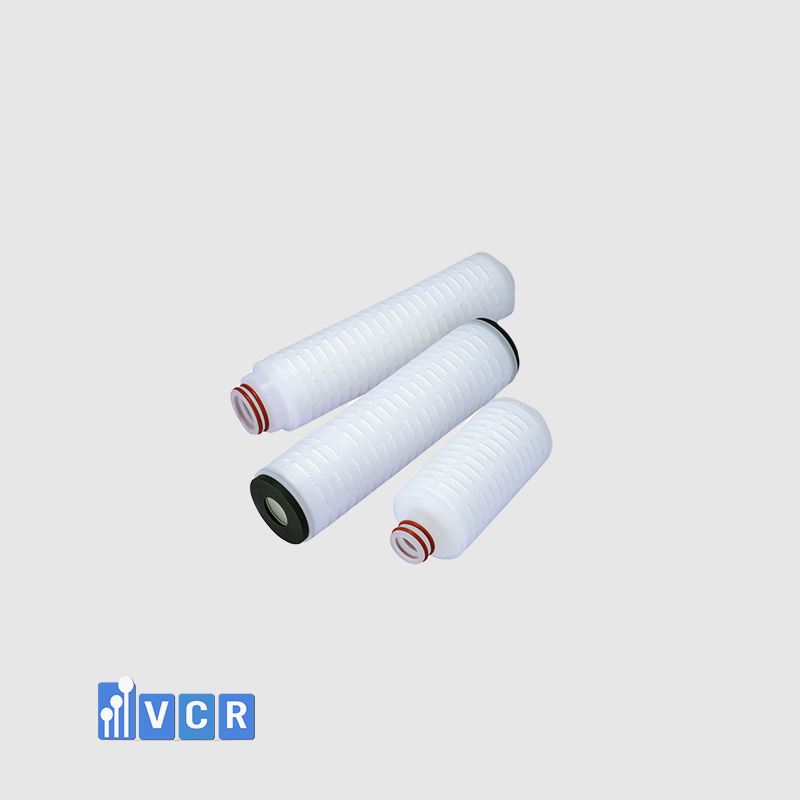
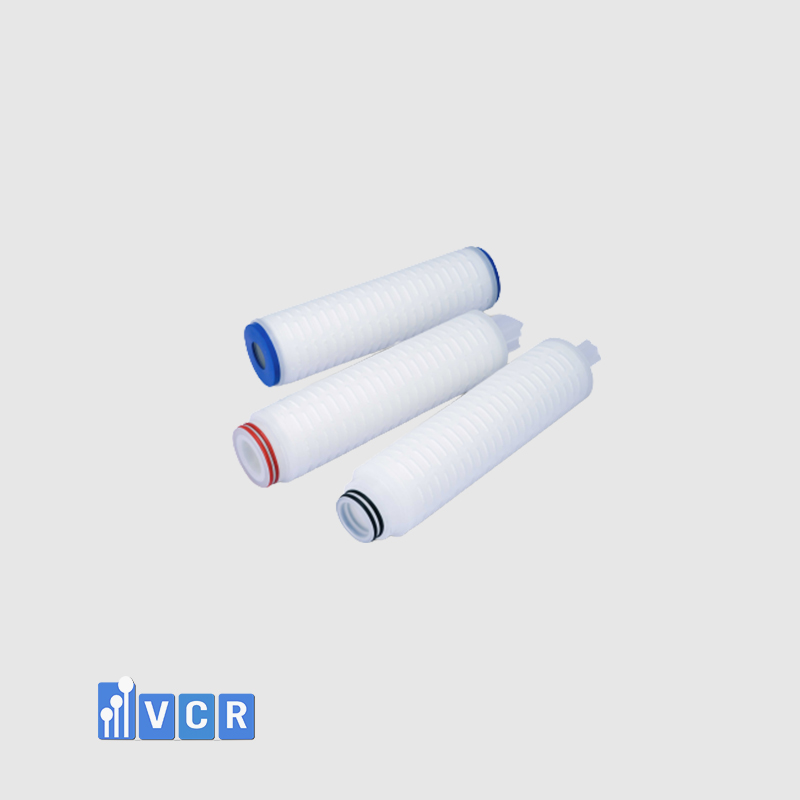
A high flow pleated filter cartridge is a large-diameter filtration element designed to process significantly more liquid than a conventional small-diameter cartridge.
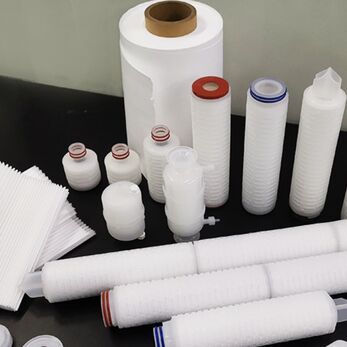
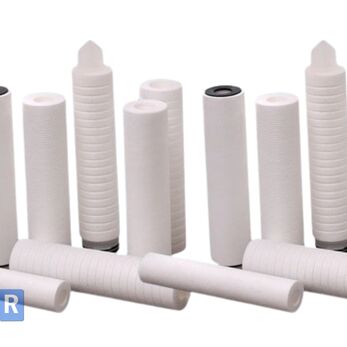
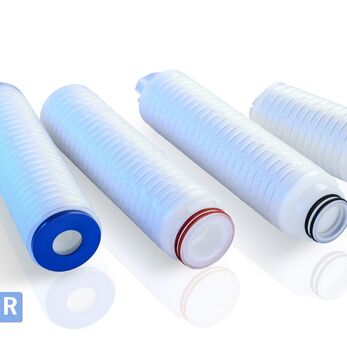
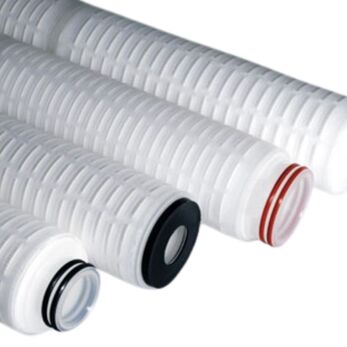
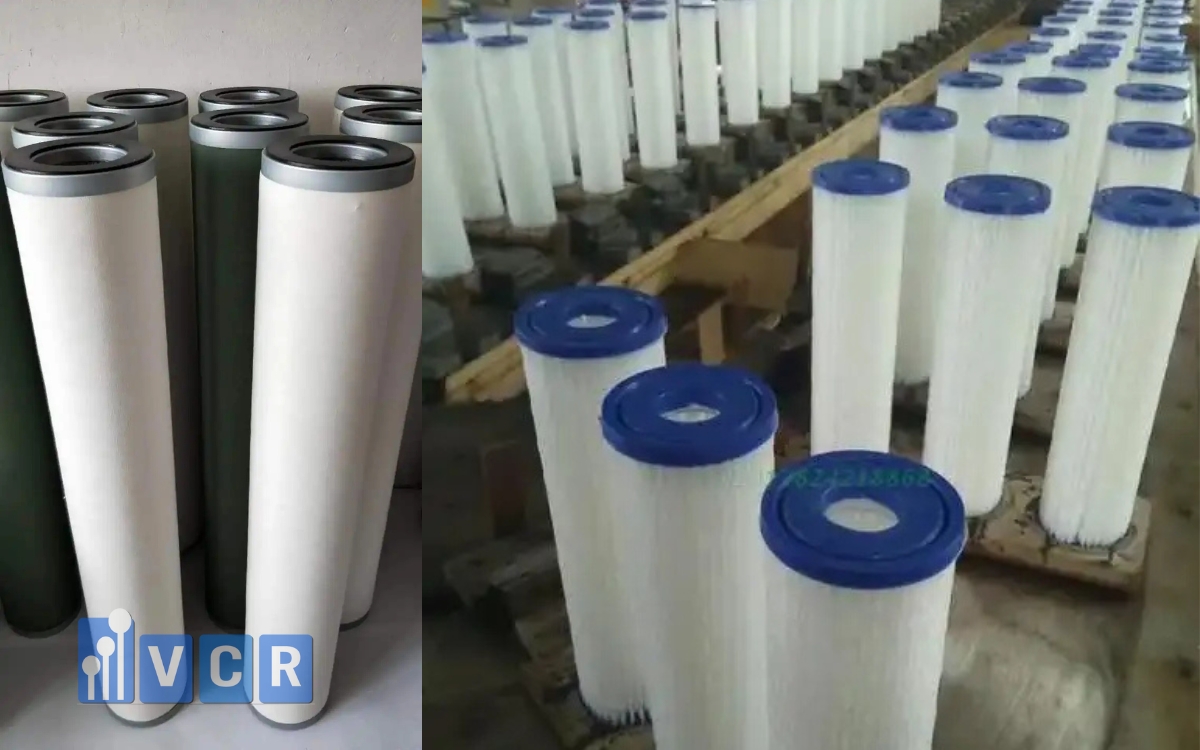
The filtration media is folded into multiple pleats around a central core or support structure. This pleated configuration creates a large effective filtration area inside a relatively compact cylindrical element.
High flow cartridges are commonly longer and wider than standard cartridges. Depending on the manufacturer and product family, they may be available in nominal lengths such as 20, 40, or 60 inches.
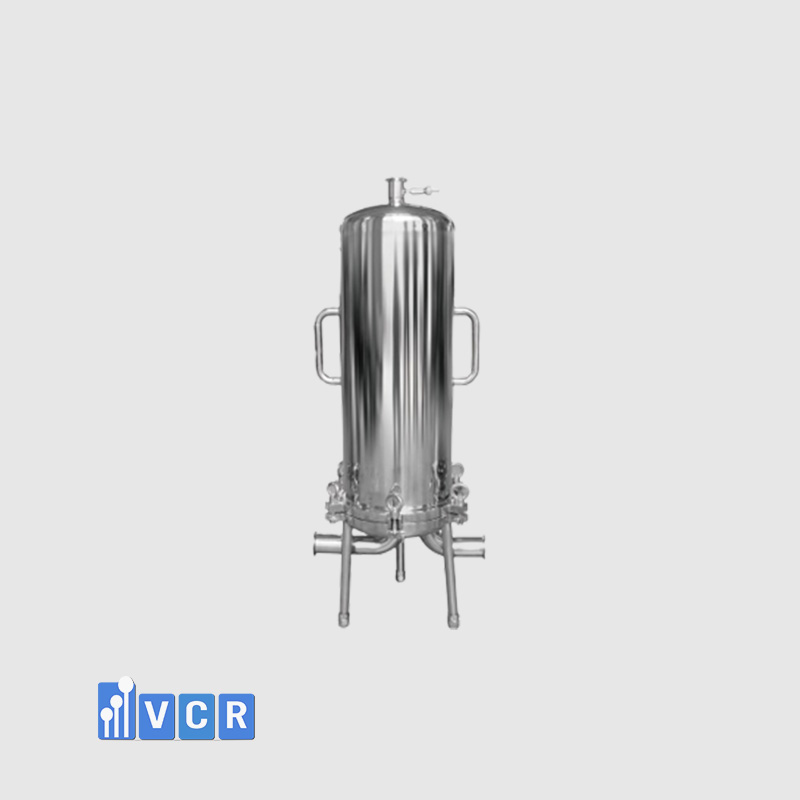
The larger filtration area allows one high flow cartridge to replace several conventional cartridges in many applications. This can reduce the required number of filter elements, simplify the housing design, shorten cartridge replacement time, and reduce operator contact with contaminated filters.
High flow pleated filter cartridges are used in industrial water treatment, reverse osmosis pretreatment, power generation, chemicals, food and beverage production, electronics, oil and gas, cooling-water systems, and other high-capacity liquid-filtration processes.
The term “high flow” does not describe one universal flow rate. Actual capacity depends on cartridge size, filter media, micron rating, fluid viscosity, solids concentration, housing design, and allowable differential pressure.
How Does a High Flow Pleated Filter Cartridge Work?
The process liquid enters the filter housing and flows through the pleated filtration media.
Depending on the cartridge design, flow may move from outside to inside or from inside to outside.
In an outside-to-inside configuration, contaminated liquid contacts the external pleated surface. Particles are captured by the media, while filtered liquid passes into the central core and exits the housing.
In an inside-to-outside configuration, contaminated liquid enters the cartridge core and moves outward through the pleated media. Retained particles remain on the inner filtration surface.
Many high flow systems use inside-to-outside flow because the internal flow path can help contain contaminants inside the used cartridge during removal. However, this is not universal, and the approved flow direction must always be confirmed from the manufacturer’s technical documentation.
As particles accumulate on or within the filtration media, resistance to flow increases. The cartridge must be replaced or cleaned when it reaches its recommended terminal differential pressure, when the required flow can no longer be maintained, or when filtrate quality falls outside the process limit.
Why Can a High Flow Cartridge Handle More Liquid?
A high flow cartridge handles more liquid primarily because it contains a much larger effective filtration area than a conventional cartridge.
Several design characteristics contribute to this capacity.
The cartridge normally has a larger diameter, allowing a wider pleated media pack. It may also be considerably longer than a standard 10-inch element.
The pleat arrangement is designed to provide extensive filtration area while maintaining open flow channels between adjacent pleats.
The central core, outer cage, support layers, and end connections are engineered to distribute liquid across the media and prevent deformation under high flow and differential pressure.
A larger filtration area reduces the flow velocity through each unit of media. Lower media velocity can reduce clean pressure drop, improve particle retention, and allow more contaminants to accumulate before the cartridge reaches its service limit.
However, high flow performance cannot be predicted from cartridge size alone. Media permeability, pleat spacing, fluid viscosity, particle loading, and housing flow distribution remain important.
Main Components of a High Flow Pleated Cartridge
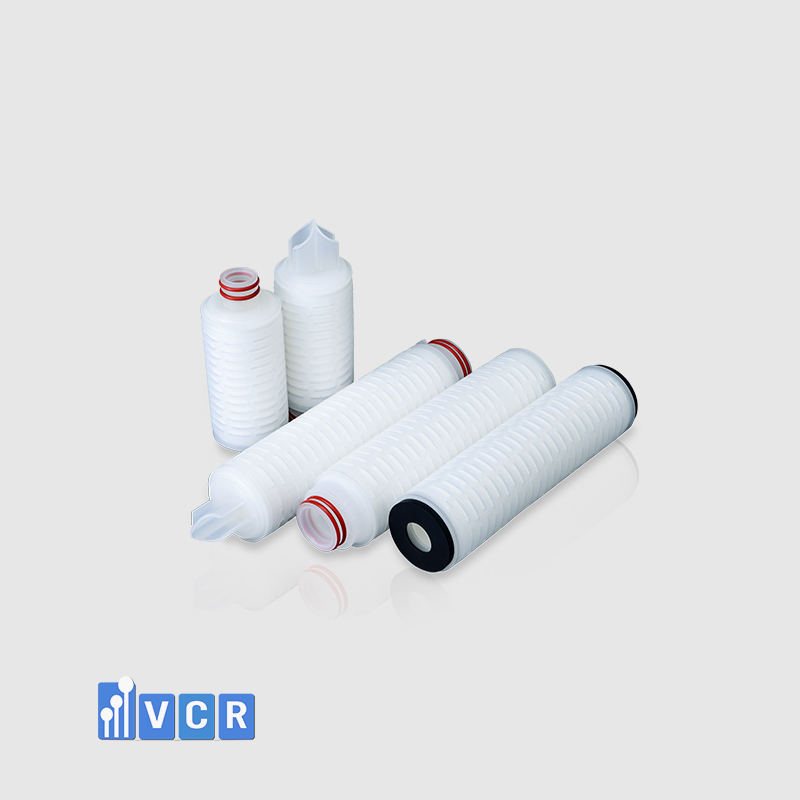
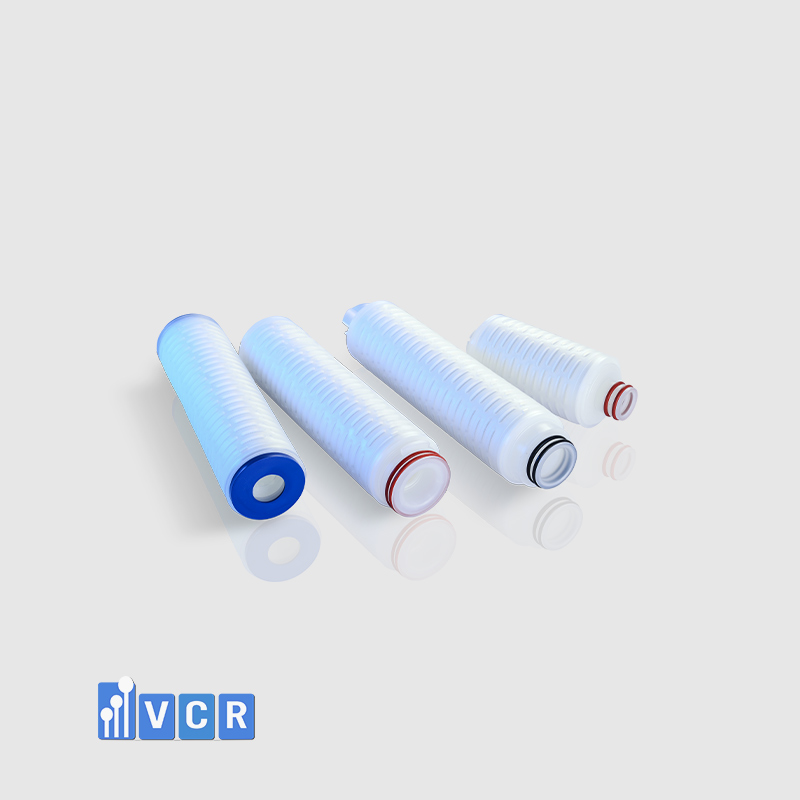
A high flow pleated filter cartridge normally includes filtration media, support layers, a central core, an external cage, end caps, and a sealing interface.
The filtration media performs the actual particle-removal function. It may be manufactured from polypropylene, glass fiber, polyester, polyethersulfone, PTFE, PVDF, stainless steel mesh, or another material.
Support layers are installed on one or both sides of the media. They help maintain pleat spacing, distribute liquid evenly, and protect the filtration layer against mechanical stress.
The central core supports the cartridge against collapse or provides the inlet flow channel in an inside-to-outside configuration.
The external cage protects the pleated pack and may support the cartridge against outward expansion.
End caps seal the pleated media pack and connect the cartridge to the housing. High-quality polymeric cartridges are often thermally bonded to reduce the need for adhesives.
The sealing interface may use O-rings, flat gaskets, proprietary locking connections, or other manufacturer-specific adapters.
Housing compatibility is therefore essential. A cartridge with the correct nominal length may still be unsuitable if its outside diameter, connection, seal design, or flow direction does not match the housing.
Common Filter Media
Polypropylene High Flow Cartridge
Polypropylene is one of the most widely used materials for high flow pleated cartridges.
It offers good compatibility with many water-based fluids, acids, alkaline solutions, and general industrial chemicals. All-polypropylene construction may include PP media, support layers, core, cage, and end caps.
Polypropylene cartridges are commonly used for process water, cooling water, reverse osmosis pretreatment, food and beverage utilities, chemicals, electronics, and general industrial clarification.
Some PP high flow cartridges use graded-density media. Larger particles are retained in the upstream region, while finer layers capture smaller contaminants. This can improve dirt-holding capacity compared with a simple single-layer surface filter.
Glass Fiber High Flow Cartridge
Glass-fiber media can provide fine particle retention, high permeability, and good contaminant-loading capacity.
It is commonly used for fuels, oils, chemicals, power-generation fluids, and applications requiring efficient removal of fine particles.
Glass-fiber cartridges may provide absolute-rated performance when designed and tested accordingly.
The complete construction must be assessed for fluid compatibility, extractables, fiber control, temperature, and pressure.
Polyester High Flow Cartridge
Polyester offers good mechanical strength and dimensional stability.
It may be used for water, coatings, industrial fluids, cooling systems, and other compatible liquids. Certain polyester media can be cleaned, but not every high flow cartridge is designed for reuse.
Washability must be confirmed from the manufacturer rather than assumed from the media name.
PES, PTFE, and PVDF High Flow Cartridges
PES, PTFE, and PVDF are used when the process requires finer filtration, special wettability, microbial control, or broad chemical compatibility.
PES is generally hydrophilic and suitable for many aqueous fluids.
PTFE is normally hydrophobic and commonly used for gas, vent, solvent, and aggressive chemical filtration. Hydrophilic PTFE versions are also available for liquids.
PVDF can provide good chemical resistance, cleanliness, and compatibility with selected pharmaceutical, biological, food, and electronics processes.
Membrane-based high flow cartridges are more specialized than general sediment filters. Their retention validation, integrity-test limits, and sterilization capabilities must be reviewed for the complete product.
Stainless Steel High Flow Cartridge
Stainless steel mesh or sintered-metal high flow cartridges are selected for high temperature, high pressure, aggressive cleaning, and repeated reuse.
These elements can filter hot water, oils, fuels, polymers, chemicals, gases, and steam-related fluids when correctly designed.
Stainless steel cartridges have a higher initial cost than most polymeric elements but may provide lower lifecycle cost when they can be cleaned and returned to service many times.
Nominal and Absolute Micron Ratings
High flow cartridges are available in coarse and fine micron ratings.
A nominally rated filter removes a specified proportion of particles at the stated size under defined test conditions. The percentage associated with a nominal rating may vary among manufacturers.
An absolute-rated filter provides a more clearly defined retention efficiency at the stated particle size. Performance may be expressed as a beta ratio, efficiency percentage, or standardized particle-challenge result.
Two high flow cartridges labeled “5 micron” may therefore have very different particle-removal performance.
A nominal cartridge may be appropriate for general water clarification and pretreatment. An absolute-rated cartridge may be required when particles can damage downstream membranes, turbines, spray nozzles, instruments, or sensitive production equipment.
Buyers should request documented retention data rather than selecting only by the printed micron rating.
Typical Micron Ratings
High flow pleated cartridges are offered in a wide range of ratings, depending on the product family and media.
Coarse cartridges may be used for bulk sediment removal and protection of downstream filtration equipment.
Medium ratings such as 10, 20, or 50 microns may be used for cooling water, process water, surface water, and industrial pretreatment.
Finer ratings such as 1, 3, or 5 microns are commonly selected for reverse osmosis pretreatment, chemical clarification, electronics utilities, and process-equipment protection.
Submicron membrane versions may be used for fine particle control, bioburden reduction, or specialized final filtration.
The smallest available rating is not automatically the best choice. Overly fine filtration can cause rapid blockage, excessive differential pressure, and higher operating costs.
High Flow Cartridge vs Standard Pleated Cartridge
A standard pleated cartridge usually has a relatively small diameter and is commonly available in 10-, 20-, 30-, or 40-inch lengths.
A high flow cartridge has a larger diameter and significantly greater filtration area. It is designed to process a much higher flow per element.
A high flow system can therefore require fewer cartridges than a conventional multi-cartridge housing.
Fewer elements can reduce cartridge-change labor, housing complexity, sealing points, storage requirements, and waste handling.
Standard cartridges may still be preferable for low-flow systems, small batches, flexible equipment layouts, or facilities that already use common cartridge housings.
High flow cartridges are often most valuable when the process requires large continuous flow and simplified maintenance.
High Flow Cartridge vs Filter Bag
Filter bags are widely used for high-flow liquid filtration and high contaminant loading.
A filter bag may provide a large internal solids-holding volume and economical coarse or nominal filtration.
A high flow pleated cartridge generally provides more controlled particle retention, a rigid structure, and a larger effective media area.
The cartridge may offer lower clean pressure drop and a slower increase in resistance for certain contaminants.
However, a bag may be more economical when the fluid contains heavy concentrations of coarse solids or when the contaminant cake can fill the bag volume effectively.
Some systems use a bag filter as the first stage and a high flow cartridge as the finer downstream stage.
High Flow Cartridge vs Conventional Multi-Cartridge System
A conventional high-capacity system may use many standard cartridges installed in one large housing.
A high flow cartridge system can achieve similar or greater total filtration capacity using fewer, larger elements.
This offers several potential benefits.
The housing may require fewer internal sealing points. Cartridge replacement may be faster. Operators handle fewer contaminated elements. The risk of installing one cartridge incorrectly may also be reduced.
The housing can sometimes be smaller and lighter for the same process flow.
However, high flow cartridges are often based on manufacturer-specific dimensions and connections. Users may have fewer interchangeable replacement options than with conventional standard cartridges.
Lifecycle evaluation should therefore consider both operational benefits and long-term product availability.
Flow Rate and Pressure Drop
Flow capacity is one of the most important high flow cartridge specifications.
The stated flow rate must always be evaluated at a defined pressure drop, fluid viscosity, temperature, and cartridge condition.
A clean-water flow value cannot be applied directly to oil, resin, syrup, concentrated chemical, or another viscous liquid.
Higher viscosity increases pressure drop at the same flow rate. Lower liquid temperature may also raise viscosity and reduce filter capacity.
As contaminants accumulate, differential pressure rises. The system may maintain flow by increasing pump pressure, or the flow may decline if the pump cannot compensate.
The filtration system should therefore include upstream and downstream pressure gauges or a differential-pressure transmitter.
The clean differential pressure should be recorded when a new cartridge is installed. This value becomes the baseline for monitoring filter loading.
Dirt-Holding Capacity
Dirt-holding capacity is the amount of contaminant a cartridge can retain before reaching a defined terminal differential pressure.
High flow cartridges can provide substantial contaminant capacity because of their large filtration area.
Graded-density or multilayer media can further improve capacity by distributing particles through different sections of the media.
However, cartridge life depends strongly on the contaminant type.
Hard, irregular particles may form a relatively permeable filter cake. Fine clay, biological slime, gels, oils, and deformable particles may block the media rapidly.
High theoretical surface area does not guarantee long life if contaminants bridge between pleats or blind the filtration surface.
Pilot testing may be necessary when the process fluid has complex or variable contamination.
Reverse Osmosis Pretreatment
High flow pleated cartridges are widely used before industrial reverse osmosis systems.
Their primary function is to reduce suspended solids and protect RO membranes from particulate fouling.
One high flow cartridge may replace several standard cartridges in large RO plants, simplifying maintenance and reducing the size of the cartridge filter housing.
Common RO pretreatment ratings include 1, 3, 5, or 10 microns, depending on the feed-water quality and membrane supplier’s requirements.
The cartridge does not remove all substances that can foul or damage an RO membrane.
Hardness, chlorine, silica, iron, manganese, microorganisms, and dissolved organics may require additional pretreatment.
Cartridge selection should be coordinated with turbidity, silt density index, upstream treatment, membrane specifications, and expected operating flow.
Power Generation
Power plants use high flow cartridges for boiler feedwater, condensate systems, cooling water, makeup water, and membrane pretreatment.
Large process flows make reduced cartridge count particularly valuable.
High flow elements can help protect ion-exchange systems, condensate polishers, RO membranes, heat exchangers, and other equipment from suspended solids.
The filter material must be compatible with the water chemistry, temperature, pressure, and any treatment chemicals used in the plant.
Food and Beverage Production
High flow cartridges can be used for process water, ingredient water, sugar solutions, beverages, edible oils, and other liquid streams.
Suitable materials must comply with the applicable food-contact requirements.
The cartridge must not adversely affect taste, odor, color, or product composition.
Viscous products require careful sizing because high viscosity can significantly increase pressure drop.
For microbial or final beverage filtration, a general high flow sediment cartridge may not provide sufficient retention. A validated membrane filtration stage may still be required.
Chemical Processing
Chemical plants use high flow cartridges to remove particles from acids, alkalis, solvents, coatings, resins, cleaning solutions, and process intermediates.
Chemical compatibility must be evaluated for the media, support layers, core, cage, end caps, O-rings, and housing.
A polypropylene cartridge may be suitable for many aqueous chemicals, while PTFE, PVDF, stainless steel, or specialty materials may be required for aggressive fluids.
Temperature and concentration can change compatibility significantly.
Electronics and Semiconductor Applications
Electronics and semiconductor facilities require controlled particle removal from process water and chemicals.
High flow cartridges can be used in ultrapure-water pretreatment, utility systems, cooling loops, and selected chemical-filtration stages.
Critical applications may require absolute-rated retention, low extractables, low ionic contamination, and high manufacturing cleanliness.
A general industrial water cartridge should not automatically be used for high-purity electronics chemicals without appropriate technical documentation.
Oil and Gas Applications
High flow cartridges are used for produced water, injection water, fuels, oils, amines, glycol solutions, and process chemicals.
Large flow capacity and reduced cartridge count can be valuable in remote or continuously operating facilities.
The cartridge must withstand the process temperature, pressure, hydrocarbon exposure, and contaminant characteristics.
For fine fuel or hydraulic filtration, beta ratio and absolute efficiency are often more important than nominal micron rating.
Cooling Water and Industrial Utilities
Cooling-water systems may contain rust, scale, corrosion products, biological debris, and suspended solids.
High flow cartridges help protect heat exchangers, spray nozzles, pumps, seals, and process equipment.
In open cooling systems with heavy solids loading, cartridge filtration may need to be combined with strainers, separators, media filters, or side-stream filtration.
The high flow cartridge should be sized according to the actual solids load rather than total water flow alone.
Advantages of High Flow Pleated Filter Cartridges
The main advantage is the ability to process a high liquid flow using fewer filter elements.
Fewer cartridges can reduce labor, storage requirements, disposal volume, and system downtime during filter replacement.
The large media area can provide low clean pressure drop and good contaminant capacity.
High flow housings may also require fewer internal seals than conventional multi-cartridge systems.
The cartridge format can simplify operator handling because one large element replaces many smaller cartridges.
For large water and process systems, these advantages can reduce the total footprint and lifecycle cost of the filtration stage.
Limitations of High Flow Cartridges
High flow cartridges also have limitations.
Many designs use proprietary dimensions and sealing connections. This can limit interchangeability among manufacturers.
A large cartridge may be heavier and more difficult to remove after it becomes saturated with liquid and contaminants.
The initial cost per cartridge is usually higher than that of a standard element.
A high flow cartridge may also be unsuitable for extremely high solids loading unless adequate coarse pretreatment is installed.
If one cartridge fails, a significant proportion of the system’s filtration area may be lost because fewer elements are installed.
Facilities should consider replacement availability, lifting requirements, maintenance access, and supplier support during system design.
Can High Flow Cartridges Be Cleaned and Reused?
Some high flow cartridges can be cleaned, but many are designed as disposable elements.
Cleanability depends on the media, cartridge construction, contaminant type, and process requirements.
Stainless steel mesh and selected polyester or polypropylene cartridges may tolerate controlled rinsing or backwashing.
Fine absolute-rated or membrane cartridges may not retain their original performance after cleaning.
High-pressure washing can damage pleats, enlarge pores, break bonds, or deform support structures.
Chemical cleaning must be compatible with every cartridge component.
A cartridge should only be reused when the manufacturer provides an approved cleaning procedure and the process can verify acceptable performance after cleaning.
When Should a High Flow Cartridge Be Replaced?
Replacement should be based on differential pressure, flow, filtrate quality, and process requirements.
The cartridge should normally be replaced when it reaches the recommended terminal differential pressure or when the required system flow can no longer be maintained.
It should also be replaced if the media is torn, the cage is damaged, the end connection is cracked, the O-ring no longer seals, or contaminants cannot be removed safely.
A sudden decrease in differential pressure may indicate bypass or cartridge damage rather than improved performance.
For regulated or critical systems, replacement may also be required after a defined batch volume, operating time, cleaning cycle, or sterilization limit.
How to Select a High Flow Pleated Filter Cartridge
Selection should begin with the process objective.
The engineer should determine whether the cartridge will provide coarse clarification, RO pretreatment, equipment protection, final particle control, or another filtration function.
The process fluid must then be evaluated for chemical composition, viscosity, temperature, pressure, solids concentration, and particle-size distribution.
The required micron rating should be selected together with documented retention efficiency.
The total flow should be compared with the manufacturer’s pressure-drop data at the actual fluid viscosity.
The cartridge material must be compatible with the process liquid and cleaning chemicals.
Housing dimensions, flow direction, connection style, O-ring material, and installation clearance must also be confirmed.
The expected dirt-holding capacity and replacement frequency should be evaluated as part of the lifecycle cost.
For food, beverage, pharmaceutical, and electronics applications, the supplier should provide appropriate material, traceability, cleanliness, and regulatory documentation.
Information Required for a Quotation
To receive an accurate quotation, the buyer should provide:
-
Process liquid and chemical composition
-
Required flow rate
-
Operating temperature and pressure
-
Fluid viscosity
-
Existing housing manufacturer and model
-
Cartridge length and diameter
-
Flow direction
-
Micron rating
-
Required nominal or absolute efficiency
-
Solids concentration
-
Expected service life
-
O-ring or gasket material
-
Required quality documentation
-
Quantity and delivery schedule
Providing complete process information allows the supplier to recommend the correct cartridge instead of selecting only by size and micron rating.
High Flow Pleated Filter Cartridges from VCR
Vietnam Cleanroom Equipment supplies pleated filter cartridges, membrane filters, high-capacity liquid filtration products, filter bags, and filter housings for industrial and hygienic applications.
VCR can support factories and engineering contractors in evaluating filtration media, micron rating, flow capacity, pressure drop, housing configuration, chemical compatibility, and expected cartridge life.
High flow cartridges can be applied in water treatment, RO pretreatment, food and beverage production, pharmaceutical utilities, chemicals, electronics, cooling water, and other industrial processes.
The most effective solution is not simply the cartridge with the highest published flow. It is the cartridge that maintains the required retention efficiency and service life at the actual operating conditions.
Frequently Asked Questions
what is a high flow pleated filter cartridge?
A high flow pleated filter cartridge is a large-diameter, high-area filtration element designed to process more liquid per cartridge than a conventional standard cartridge.
how is a high flow cartridge different from a standard cartridge?
A high flow cartridge has a larger diameter and significantly more filtration area. It can replace several conventional cartridges in many high-capacity systems.
what materials are used in high flow cartridges?
Common materials include polypropylene, glass fiber, polyester, PES, PTFE, PVDF, and stainless steel. The correct material depends on the process fluid and filtration objective.
what micron ratings are available?
High flow cartridges are available from coarse sediment ratings to fine and submicron filtration. The exact range depends on the media and manufacturer.
are high flow cartridges nominally or absolutely rated?
Both options are available. Buyers should review the documented retention efficiency rather than relying only on the stated micron value.
what is the normal flow direction?
High flow cartridges may operate outside to inside or inside to outside. The correct direction depends on the product design and must follow the manufacturer’s instructions.
can one high flow cartridge replace several standard cartridges?
Yes. A large high flow cartridge can often replace multiple standard elements because it contains a much greater filtration area. The exact replacement ratio is product- and application-specific.
are high flow cartridges suitable for RO pretreatment?
Yes. They are widely used before large industrial RO systems to remove suspended solids and simplify cartridge maintenance.
can a high flow cartridge be washed?
Some models are cleanable, especially stainless steel and selected synthetic-media cartridges. Many high flow elements are disposable and should not be cleaned unless the manufacturer allows it.
how is cartridge life determined?
Cartridge life depends on solids concentration, particle characteristics, flow, viscosity, media area, micron rating, and upstream pretreatment.
when should the cartridge be replaced?
Replace it when differential pressure reaches the recommended limit, flow becomes insufficient, filtrate quality declines, or physical damage is detected.
does a higher flow rating always mean better performance?
No. High flow capacity must be evaluated together with pressure drop, particle-retention efficiency, dirt capacity, and service life under actual operating conditions.
can high flow cartridges filter viscous liquids?
Yes, but viscous liquids create higher pressure drop. The system may require more cartridges, a larger area, lower operating flow, or controlled fluid temperature.
are high flow cartridges suitable for food and beverage applications?
Yes, when the media and all wetted components meet the applicable food-contact, cleanliness, and process requirements.
are high flow cartridges suitable for pharmaceutical production?
They can be used for pharmaceutical water, utilities, and selected process stages when the product provides the required materials, documentation, retention performance, and hygienic compatibility.
what causes rapid clogging?
Rapid clogging can result from heavy solids loading, an excessively fine rating, insufficient prefiltration, high viscosity, biological slime, or deformable contaminants.
does a high flow system need differential-pressure monitoring?
Yes. Differential-pressure monitoring helps determine filter loading, schedule replacement, and prevent cartridge damage.
can different brands of high flow cartridges be interchanged?
Only when the dimensions, connection, sealing system, flow direction, media, retention efficiency, and operating limits are technically compatible.
what is the main advantage of a high flow cartridge?
The main advantage is the ability to process high liquid flow with fewer cartridges, reducing housing complexity and maintenance time.
what information should be provided to the supplier?
Provide the liquid composition, flow, viscosity, temperature, pressure, solids load, micron requirement, housing details, connection type, seal material, and required documentation.
Conclusion
A high flow pleated filter cartridge is designed to provide a large filtration area and high liquid-processing capacity within a compact industrial filter housing.
Its large-diameter pleated construction can replace several conventional cartridges, reduce maintenance time, simplify housing design, and lower the number of filter elements handled by operators.
High flow cartridges are widely used in reverse osmosis pretreatment, power generation, process water, food and beverage production, chemical processing, electronics, oil and gas, and cooling-water systems.
However, high flow capacity alone does not define a successful filter.
The engineer must also evaluate particle-retention efficiency, micron rating, media material, differential pressure, viscosity, solids load, housing compatibility, and lifecycle cost.
The correct high flow cartridge is the element that delivers the required filtrate quality and operating flow while maintaining acceptable pressure drop, service life, and process reliability.