- Basic Knowledge About Pleated Filter Cartridges
- Micron Ratings and Particle-Retention Efficiency
- Pleated Filter Cartridge Materials
- Comparison of Filter Types
- Filter Selection and System Design
- Flow, Differential Pressure, and Operation
- Cleaning, Reuse, and Replacement
- Industry Applications
- Troubleshooting
- Purchasing, Documentation, and Suppliers
Basic Knowledge About Pleated Filter Cartridges
1. What is a pleated filter cartridge?
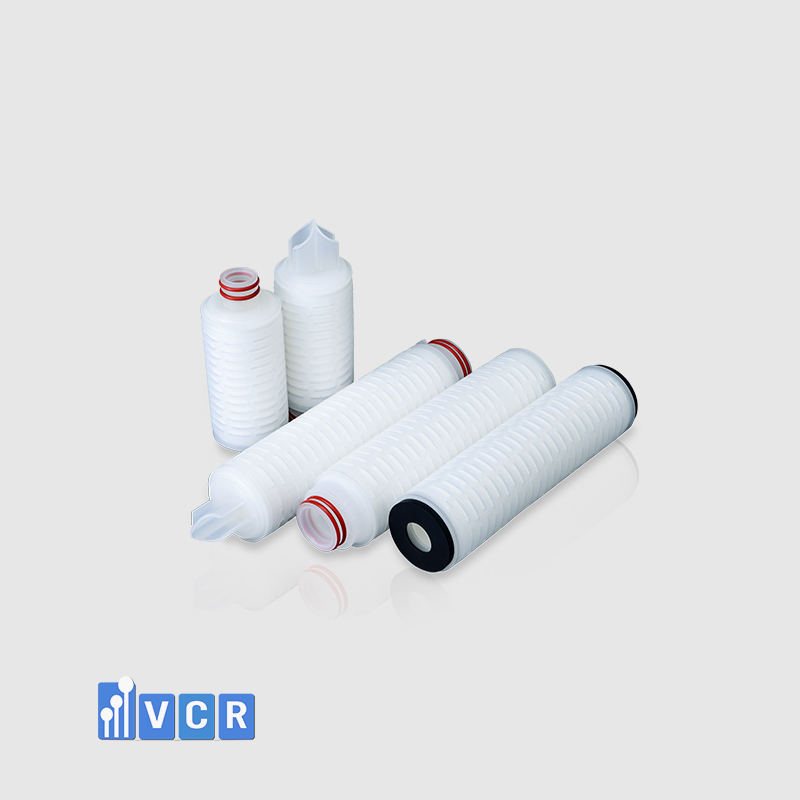
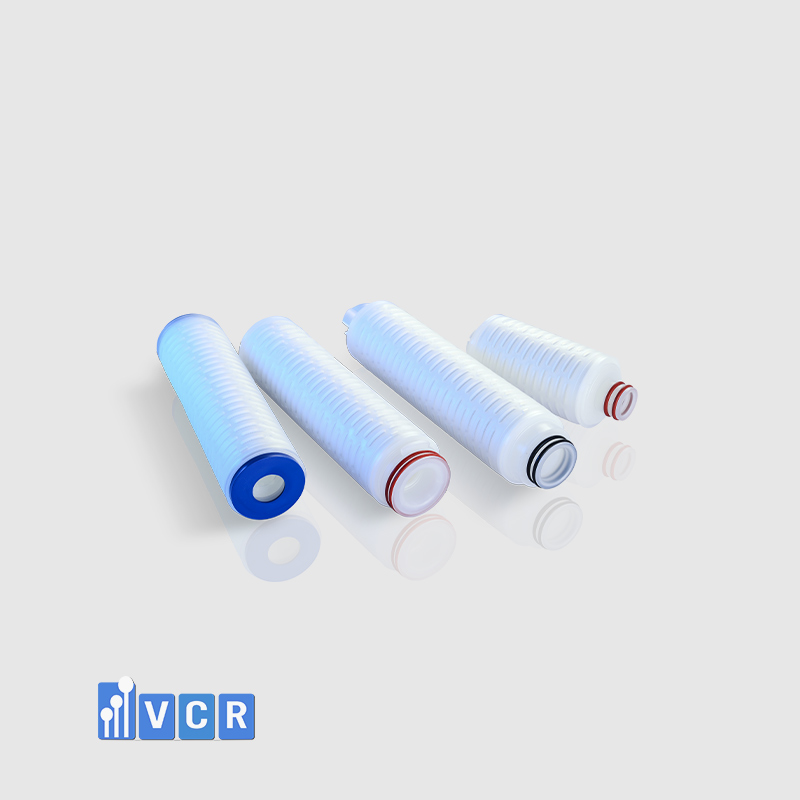
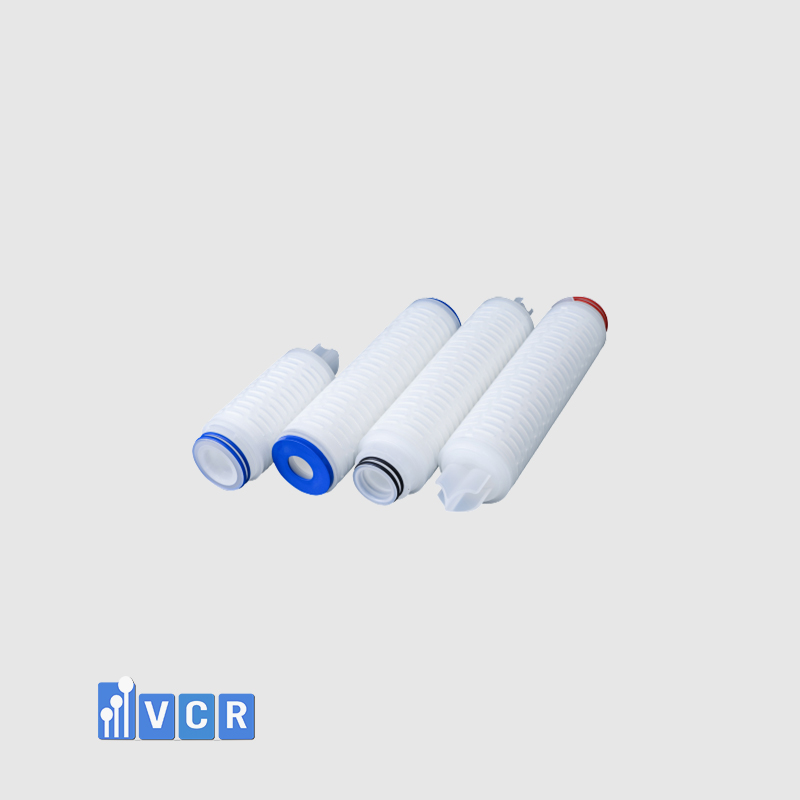
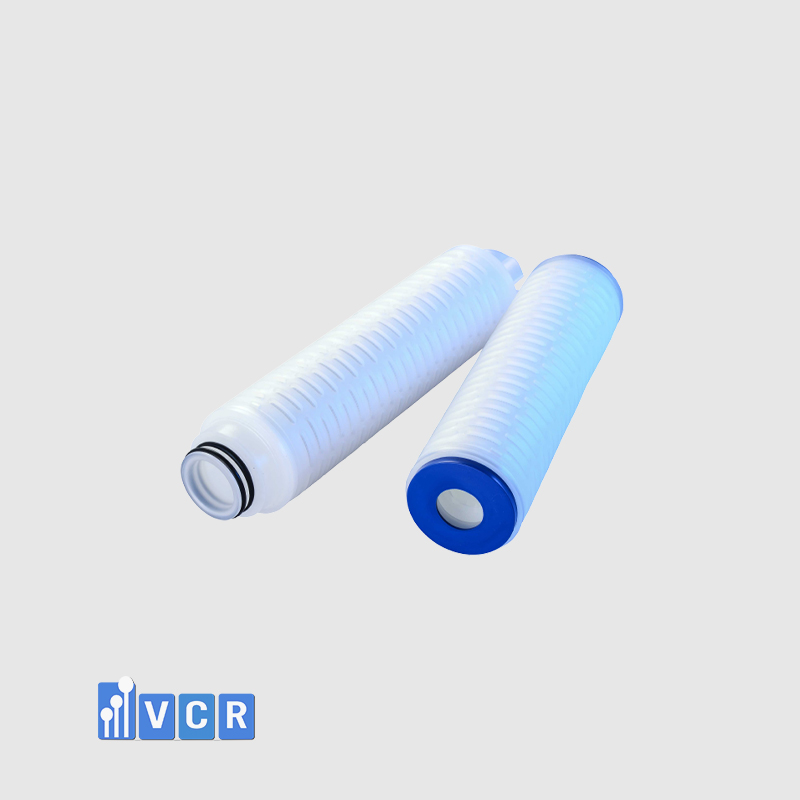
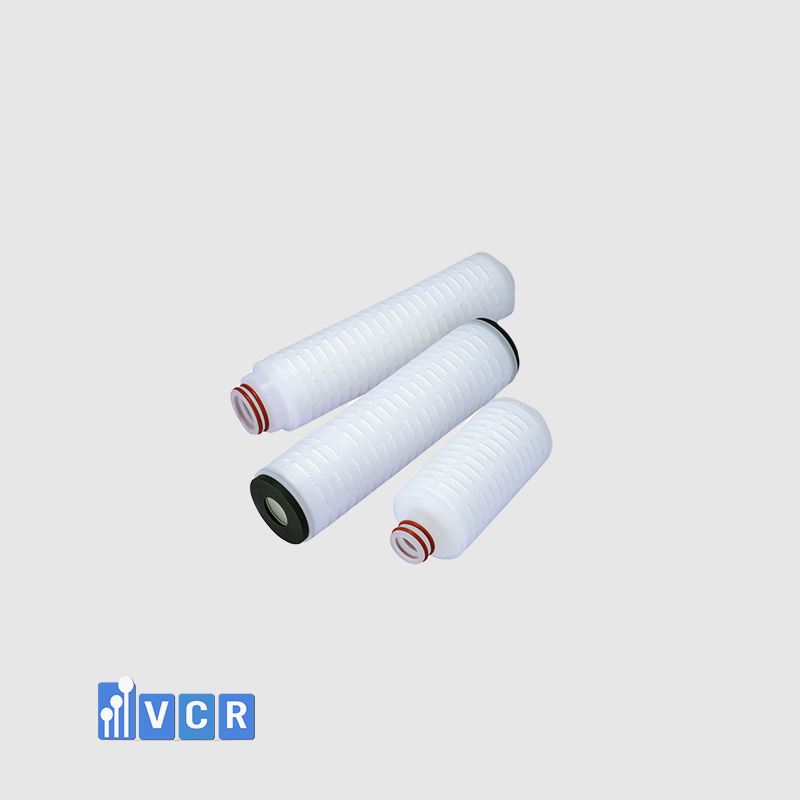
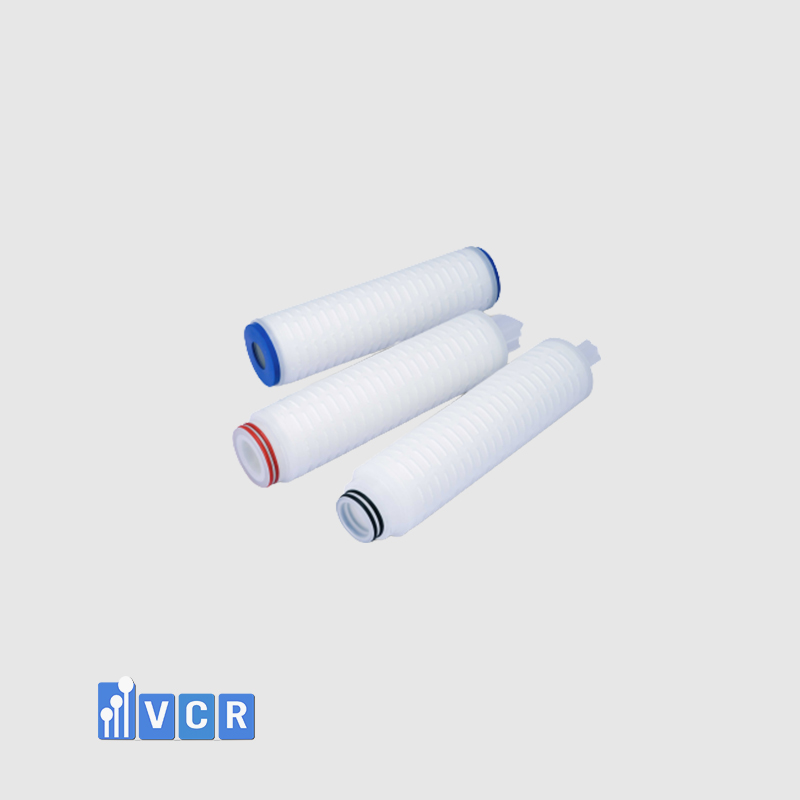
A pleated filter cartridge is a cylindrical filtration element made from filter media folded into multiple pleats. This design increases the effective filtration area within a compact size, helping maintain good flow, reduce initial pressure drop, and improve contaminant-holding capacity.
2. Why is it called a pleated filter cartridge?
It is called a pleated filter cartridge because the filtration media is folded into multiple pleats. The media is not necessarily paper. It may be made from polypropylene, polyester, PES, PTFE, PVDF, nylon, fiberglass, or stainless steel wire mesh.
3. What does “pleated filter cartridge” mean?
“Pleated” describes the folded structure of the filtration media, while “filter cartridge” refers to a cylindrical element installed inside a filter housing. Pleated filter cartridges are commonly used for water, chemicals, food, beverages, pharmaceuticals, gases, and industrial process fluids.
4. How does a pleated filter cartridge work?
The process fluid passes through the pleated filtration media. Particles larger than the effective retention size are captured on or within the media, while the filtered fluid enters the central core and exits the housing. Accumulated contaminants gradually increase differential pressure.
5. What are the main components of a pleated filter cartridge?
A pleated filter cartridge normally includes filtration media, upstream and downstream support layers, an inner core, an outer cage, end caps, and a sealing connection. Depending on the design, it may use flat gaskets, DOE ends, SOE ends, 222 adapters, or 226 adapters.
6. Why is the filtration media pleated?
Pleating allows a large amount of filter media to fit inside a compact cartridge. The increased area reduces flow velocity through each unit of media, helping support higher flow, lower initial pressure drop, and longer service life.
7. Can pleated filter cartridges be used for both liquids and gases?
Yes. Pleated filter cartridges are available for both liquid and gas filtration. Liquid filters commonly use PP, polyester, PES, PVDF, or nylon, while sterile gas and vent filters often use hydrophobic PTFE or other specialized materials.
8. Are pleated filter cartridges always made from paper?
No. The word “pleated” describes the folded structure, not the material. Modern cartridges may use polymer membranes, synthetic fibers, fiberglass, cellulose blends, or stainless steel mesh, depending on chemical compatibility, temperature, and filtration requirements.
9. Is every pleated filter cartridge a membrane filter?
No. Some pleated cartridges use microporous membranes such as PES, PTFE, PVDF, or nylon. Others use pleated polypropylene, polyester, or fiberglass media for clarification and prefiltration. Their retention mechanisms and performance can be very different.
10. Is a pleated filter cartridge a surface filter or a depth filter?
Most pleated cartridges operate mainly as surface filters, but some use thick or multilayer media that also provide depth filtration. The actual retention mechanism depends on the media structure, pore distribution, and arrangement of the filtration layers.
11. Are pleated filter cartridges disposable or reusable?
Both types are available. Polyester, stainless steel mesh, and some polypropylene cartridges may be cleaned and reused. Fine membrane cartridges are often replaced after a validated service period unless the manufacturer specifically permits cleaning and reuse.
12. What are the main advantages of a pleated filter cartridge?
The main advantages are high filtration area, good flow capacity, low initial pressure drop, compact construction, and availability in many materials and micron ratings. They can be used in water, food, beverage, pharmaceutical, chemical, and industrial filtration systems.
13. What are the limitations of pleated filter cartridges?
Pleated cartridges may clog rapidly when fluids contain heavy concentrations of mud, gels, oils, slime, or deformable particles. Closely spaced pleats may also bridge with contaminants. Material compatibility and operating limits must be evaluated carefully.
14. What lengths are available for pleated filter cartridges?
Common nominal lengths include 5, 10, 20, 30, and 40 inches. High-flow, large-diameter, and custom-length cartridges are also available. Longer cartridges generally offer greater filtration area and higher flow capacity.
15. What is the standard diameter of a pleated filter cartridge?
Many standard cartridges have an outside diameter of approximately 68 to 70 millimeters. Big Blue, high-flow, and specialized cartridges have larger diameters. Buyers should verify the technical drawing rather than relying only on the commercial size description.
16. What is the normal flow direction through a pleated cartridge?
The most common flow direction is outside to inside. The process fluid passes through the outer pleated surface and enters the central core. Some high-flow or specialized cartridges operate inside to outside, so installation instructions must be followed.
17. Where is a pleated filter cartridge installed?
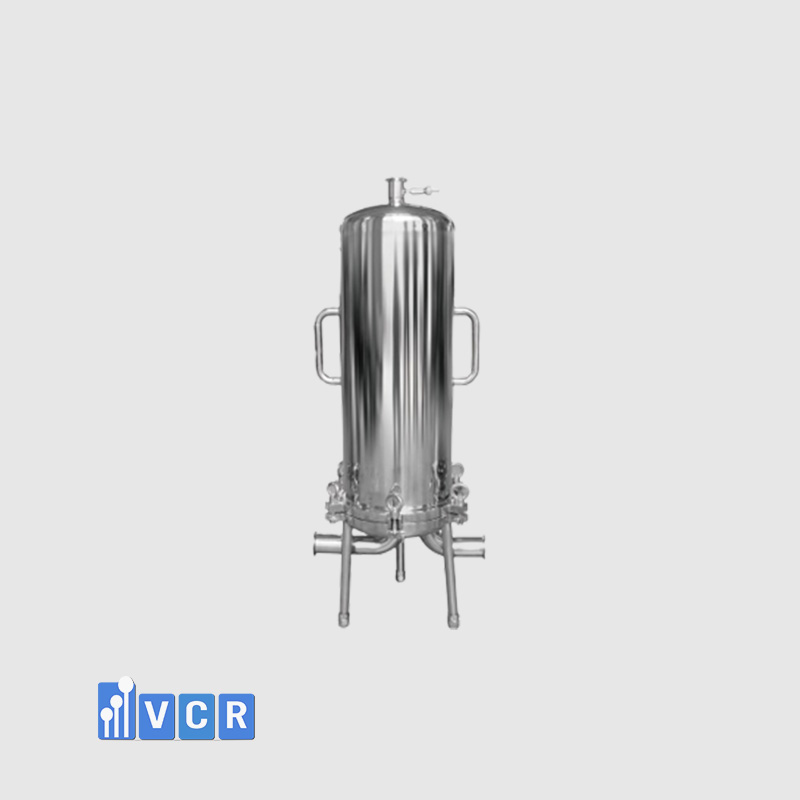
A pleated cartridge is installed inside a compatible filter housing. The housing contains the process pressure and directs the fluid through the filter media. Systems may use one cartridge, multiple cartridges in parallel, or several filtration stages in series.
18. Does a pleated filter cartridge require a separate housing?
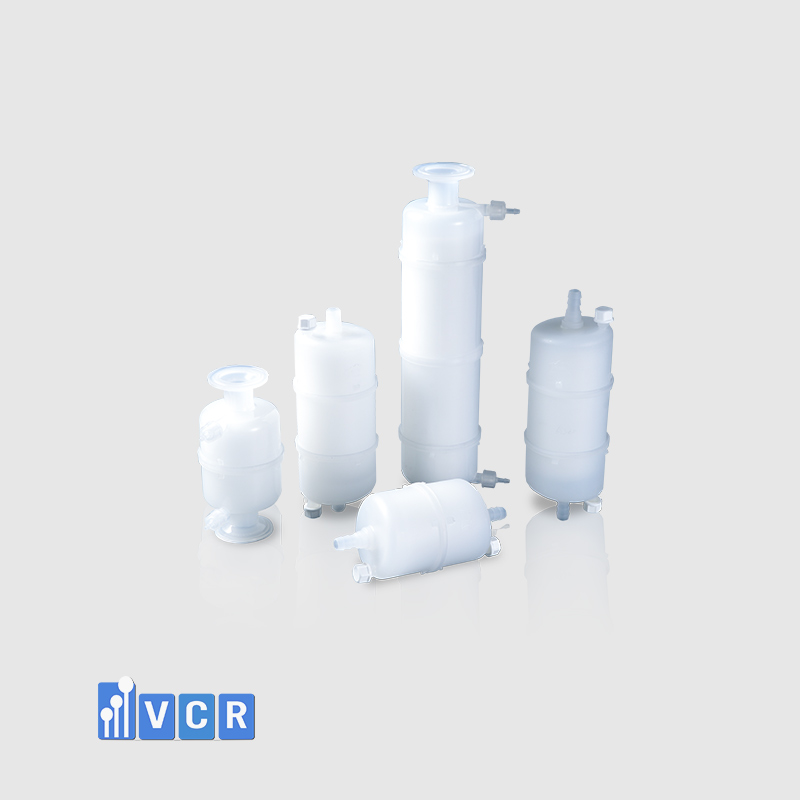
Yes. A conventional cartridge requires a compatible pressure housing. A capsule filter is different because the filter media and housing are permanently integrated into one disposable assembly.
19. Why is filtration area important?
Filtration area affects flow capacity, pressure drop, contaminant capacity, and service life. A cartridge with more usable area normally operates at a lower media velocity and takes longer to reach its terminal differential pressure.
20. Does a higher number of pleats always mean better performance?
No. Excessive pleat density can restrict flow and cause contaminants to bridge between adjacent pleats. Good performance requires a balance among pleat count, pleat depth, media thickness, support layers, and open flow channels.
Micron Ratings and Particle-Retention Efficiency
21. What does micron rating mean for a pleated filter cartridge?
A micron rating indicates the approximate particle size the cartridge is designed to retain. One micron equals one-thousandth of a millimeter. The micron value must be considered together with filtration efficiency because cartridges with the same rating may perform differently.
22. What can a 1 micron pleated filter cartridge remove?
A 1 micron cartridge can remove very fine sediment, small rust particles, mineral particles, and suspended solids. Actual performance depends on whether the cartridge is nominally or absolutely rated. A standard 1 micron cartridge is not automatically a sterilizing filter.
23. What can a 5 micron pleated filter cartridge remove?
A 5 micron cartridge commonly removes fine sand, rust, silt, pipe scale, and suspended sediment. It is frequently used for well water, process water, and reverse osmosis pretreatment. It does not normally remove dissolved minerals or hardness.
24. What applications are suitable for a 10 micron cartridge?
A 10 micron cartridge is suitable for medium sediment removal, pretreatment, and protection of finer downstream filters. It normally provides better flow and longer service life than a finer cartridge when the feed contains significant sediment.
25. When should a 20 micron cartridge be used?
A 20 micron cartridge is often installed as the first stage in a multistage filtration system. It removes coarse sediment, sand, rust, and debris, reducing the load on downstream 5 micron or 1 micron cartridges.
26. Does a smaller micron rating always mean better filtration?
A smaller micron rating removes finer particles but can also create higher pressure drop and shorter service life. The correct rating should match the harmful particle size and downstream protection requirement rather than simply being the smallest available value.
27. What is a nominal micron rating?
A nominal rating means the cartridge removes a specified percentage of particles at the stated size under defined test conditions. The percentage used to define “nominal” may differ among manufacturers.
28. What is an absolute micron rating?
An absolute rating is associated with a clearly defined particle-retention efficiency at the stated size. It is more appropriate for critical applications where downstream equipment or product quality requires predictable particle removal.
29. What is the difference between nominal and absolute ratings?
A nominal rating represents partial removal at the stated particle size, while an absolute rating provides more precisely defined retention performance. The two should not be considered equivalent even when the stated micron value is the same.
30. What is the beta ratio of a filter cartridge?
Beta ratio compares the number of particles of a specified size upstream and downstream of a filter. A higher beta ratio means greater efficiency. Beta 100 equals approximately 99% efficiency, while beta 1,000 equals approximately 99.9%.
31. Are two 5 micron cartridges always equivalent?
No. Two 5 micron cartridges may differ in nominal or absolute rating, effective area, material, pore structure, flow capacity, and mechanical strength. Complete technical data must be compared before treating them as equivalent.
32. What is a 0.45 micron cartridge used for?
A 0.45 micron cartridge is commonly used for fine clarification, bioburden reduction, beverage stabilization, and protection of final membrane filters. It should not automatically be considered a sterilizing-grade filter.
33. Is every 0.22 micron cartridge a sterilizing-grade filter?
No. Only a cartridge validated for sterilizing filtration should be described as sterilizing grade. A 0.22 micron pore rating alone does not prove bacterial retention. Microbial challenge data and correlated integrity-test limits are required.
34. What is the difference between 0.2 and 0.22 micron filters?
In many product ranges, 0.2 and 0.22 micron filters serve similar applications. Their actual bacterial retention depends on membrane structure, manufacturing quality, and validation, not only on the numerical difference between the two pore ratings.
35. Can a pleated filter cartridge remove bacteria?
Some validated membrane cartridges can reduce or retain bacteria. Standard sediment cartridges rated at 1, 5, or 10 microns should not be relied upon for microbial control. The filter must be specifically designed and validated for bacterial retention.
36. Can a pleated cartridge remove viruses?
Most conventional pleated cartridges cannot reliably remove viruses because viruses are much smaller than common sediment-filter ratings. Virus control generally requires specialized membranes, ultrafiltration, nanofiltration, or validated disinfection processes.
37. Can a pleated cartridge remove chlorine?
A standard mechanical pleated cartridge does not remove dissolved chlorine. Activated carbon or another suitable adsorbent is required. A pleated sediment cartridge may be installed upstream to protect the carbon stage from particulate loading.
38. Can a pleated cartridge remove water hardness?
No. Water hardness is caused by dissolved calcium and magnesium ions, which pass through mechanical filters. Hardness removal requires ion exchange, nanofiltration, reverse osmosis, or another suitable treatment technology.
39. Can a pleated cartridge remove iron from water?
It can remove iron that has already oxidized and formed solid particles. It cannot effectively remove dissolved iron. Dissolved iron normally requires oxidation or specialized treatment before particulate filtration.
40. How is filter efficiency measured?
Filter efficiency is measured by comparing particle concentration upstream and downstream at specified particle sizes. Results may be expressed as percentage efficiency, beta ratio, or a particle-retention curve. The test method should be clearly documented.
Pleated Filter Cartridge Materials
41. What is a polypropylene pleated filter cartridge?
A polypropylene pleated filter cartridge uses PP as the filtration medium or main structural material. PP is compatible with many aqueous solutions, acids, and alkaline fluids and is widely used for water, chemicals, food, beverages, cosmetics, and industrial prefiltration.
42. Are polypropylene cartridges chemically resistant?
Polypropylene is compatible with many acids, alkaline solutions, and water-based chemicals. However, it is not resistant to every solvent or strong oxidizing agent. Compatibility must be checked at the actual concentration and operating temperature.
43. Can a polypropylene pleated cartridge be washed?
Some PP cartridges can be rinsed or backwashed, while others are designed for single use. Cleanability depends on the media structure, pore rating, bonding method, and cartridge construction. Manufacturer instructions must be followed.
44. What is a PES pleated filter cartridge?
A PES cartridge uses a polyethersulfone membrane, which is generally hydrophilic and offers good flow with aqueous liquids. PES is used for purified water, beverages, pharmaceutical solutions, biological fluids, and microbial filtration.
45. What are the advantages of PES membranes?
PES membranes generally provide easy wetting with water, high flow, low pressure drop, and suitability for aqueous processing. Some PES membranes also offer low protein binding and validated microbial retention.
46. What is a PTFE pleated filter cartridge?
A PTFE cartridge uses a polytetrafluoroethylene membrane with broad chemical resistance. Standard PTFE is hydrophobic and commonly used for air, gas, vent, and solvent filtration. Hydrophilic PTFE versions are also available for liquids.
47. What is hydrophobic PTFE used for?
Hydrophobic PTFE is widely used for sterile air, compressed gas, tank vents, and process gases. It allows gas flow while resisting water penetration under specified conditions and is compatible with many aggressive solvents and chemicals.
48. What is hydrophilic PTFE used for?
Hydrophilic PTFE is modified so that aqueous liquids can wet and pass through the membrane. It is used when broad PTFE chemical compatibility is required together with liquid filtration performance.
49. What is a PVDF pleated filter cartridge?
A PVDF cartridge uses polyvinylidene fluoride membrane media. PVDF offers good chemical resistance, mechanical strength, and cleanliness. It is used in pharmaceutical, biotechnology, food, beverage, electronics, and high-purity applications.
50. Is PVDF suitable for biological solutions?
Hydrophilic PVDF is suitable for many biological fluids because it can offer relatively low protein binding. Compatibility with the actual product, surfactants, and cleaning chemicals must still be evaluated.
51. What is a nylon pleated filter cartridge?
A nylon cartridge uses nylon or Nylon 66 membrane media. Nylon is naturally hydrophilic and mechanically strong. It is used for water, compatible solvents, laboratory fluids, chemicals, and electronics applications.
52. Is nylon compatible with solvents?
Nylon is compatible with many solvents but not with every strong acid or alkaline solution. Suitability depends on concentration, temperature, and exposure time. The complete cartridge construction must be evaluated.
53. What is a polyester pleated cartridge?
A polyester pleated cartridge uses mechanically strong synthetic media and is often designed for washable sediment filtration. It is common in well water, household water, irrigation, swimming pools, and general industrial systems.
54. Can polyester cartridges be reused?
Many polyester cartridges can be gently cleaned and reused. They should be replaced when the pleats are damaged, the media is torn, or acceptable flow cannot be restored after cleaning.
55. What are the advantages of cellulose cartridges?
Cellulose cartridges are economical and can provide effective sediment filtration in relatively clean water. However, cellulose has lower wet strength than many synthetic materials and can support microbial growth if stored improperly.
56. Can cellulose cartridges be washed?
Most cellulose cartridges are not suitable for repeated washing because the media may soften, deform, or lose structural integrity. Cleaning should only be attempted when the manufacturer specifically identifies the cartridge as reusable.
57. What is a stainless steel wire mesh pleated cartridge?
It is a reusable cartridge made from pleated stainless steel wire mesh. It offers high mechanical strength, temperature resistance, and cleanability and is used for oils, fuels, polymers, chemicals, steam, and industrial fluids.
58. What is the difference between stainless steel 304 and 316L?
SS304 is suitable for many general industrial applications. SS316L normally provides better corrosion resistance in chemical and chloride-containing environments and is widely used in pharmaceutical, food, beverage, and hygienic systems.
59. Can a stainless steel mesh cartridge provide sterile filtration?
A conventional stainless steel mesh cartridge is normally used for particle removal and prefiltration, not sterile filtration. Sterile filtration requires a validated microbial-retentive membrane.
60. What is a pleated fiberglass cartridge used for?
Pleated fiberglass media can provide fine particle retention and high contaminant capacity. It is used in oil, fuel, gas, and industrial prefiltration. Compatibility, fiber shedding, and mechanical stability must be evaluated.
61. Which material is suitable for purified water?
PP, PES, and PVDF are commonly considered for purified-water systems. PP is often used for prefiltration, while PES or PVDF may be selected for finer particle or microbial control.
62. Which filter material is suitable for aggressive chemicals?
PTFE offers broad compatibility with many strong chemicals and solvents. PVDF and PP may also be suitable for selected chemicals. Actual compatibility depends on concentration, temperature, pressure, and exposure time.
63. Which cartridge materials are suitable for food and beverages?
PP, PES, PVDF, nylon, and stainless steel may be used when the complete cartridge is approved for food contact. Selection depends on the product, temperature, microbial requirements, and cleaning procedure.
64. Which cartridge material is suitable for compressed gas?
Hydrophobic PTFE is commonly used for compressed gas, sterile air, and tank vents. Fiberglass or other media may be used for particulate or coalescing prefiltration.
65. Which cartridge materials have the highest temperature resistance?
Stainless steel and other metal media generally provide the highest temperature resistance. PTFE can also tolerate relatively high temperatures compared with PP or polyester. The complete cartridge, including seals and end caps, must be evaluated.
66. When should EPDM seals be used?
EPDM is commonly used with water, hot water, steam, and many alkaline solutions. It is generally unsuitable for mineral oils and many hydrocarbons. Chemical compatibility should be verified at the actual operating temperature.
67. When should silicone seals be used?
Silicone seals are common in food, beverage, and pharmaceutical applications and tolerate relatively high temperatures. They may not be compatible with certain solvents or high mechanical loads.
68. What are the advantages of FKM seals?
FKM seals offer good resistance to oils, fuels, solvents, and many chemicals. They are commonly used in chemical and hydrocarbon applications but may not be ideal for some strong alkaline fluids or prolonged steam service.
69. When should PTFE seals be used?
PTFE seals offer broad chemical resistance and are suitable for many solvents, acids, and alkaline solutions. Because PTFE is less elastic than elastomers, the sealing design must be appropriate.
70. Can filter materials affect the process product?
Yes. Filter media may influence taste, odor, extractables, protein binding, or active ingredients. Pharmaceutical, food, and electronics applications should evaluate extractables, leachables, adsorption, and material-contact compliance.
Comparison of Filter Types
71. What is the difference between pleated and melt-blown cartridges?
Pleated cartridges provide a large exposed area and primarily use surface filtration. Melt-blown cartridges have thick fibrous media and mainly provide depth filtration. Pleated filters often offer lower clean pressure drop, while melt-blown filters may handle mixed particle sizes effectively.
72. When should a melt-blown cartridge be used instead of a pleated cartridge?
Melt-blown cartridges are useful for economical depth filtration of fluids containing a broad range of fine particles. Pleated cartridges are often preferred when higher flow, larger surface area, controlled retention, or cleanability is required.
73. What is the difference between pleated and string-wound cartridges?
String-wound cartridges are made by winding fibers around a central core and provide depth filtration. Pleated cartridges use folded media and normally have a larger filtration area and lower media velocity.
74. What is the difference between a pleated cartridge and a filter bag?
A pleated cartridge provides a rigid structure and can offer finer or more controlled filtration. A filter bag generally has a larger solids-holding volume and can be economical for high-flow, coarse-contaminant applications.
75. Should a system use filter cartridges or filter bags?
Filter bags are suitable for high concentrations of coarse solids and economical bulk filtration. Cartridges are preferable for finer particle control and stable filtration performance. Some systems use a bag filter upstream of cartridge filters.
76. What is the difference between membrane and depth cartridges?
Membrane cartridges retain most particles near a thin membrane surface and provide more defined pore retention. Depth cartridges retain particles throughout a thick porous structure and generally provide higher contaminant capacity.
77. What is the difference between a capsule filter and a cartridge filter?
A capsule filter permanently integrates the filter media and housing into one disposable assembly. A cartridge filter is installed inside a separate reusable housing. Capsules suit smaller closed systems, while cartridges are more scalable.
78. What is the difference between stainless steel and PP cartridges?
Stainless steel cartridges offer high temperature resistance, mechanical strength, and repeated cleanability. PP cartridges are lighter, less expensive, and suitable for many aqueous and chemical applications at moderate temperatures.
79. What is the difference between high-flow and standard cartridges?
High-flow cartridges have larger diameters and much greater filtration areas. One high-flow element may replace several standard cartridges, reducing housing size and the number of elements changed during maintenance.
80. What is the difference between DOE and SOE cartridges?
DOE means double open end and normally uses flat gaskets at both ends. SOE means single open end and commonly uses 222 or 226 O-rings. SOE designs generally provide more controlled sealing.
81. What is the difference between 222 and 226 adapters?
Both use two O-rings, but a 226 adapter normally includes locking tabs for bayonet-style retention. The two designs are not directly interchangeable unless the housing is specifically compatible.
82. What is the difference between fin and spear ends?
A fin end has a flat blade-like closed end, while a spear end has a pointed or locating-pin shape. Both help position the cartridge in the housing and must match the housing design.
83. What is the difference between 10-inch and 20-inch cartridges?
A 20-inch cartridge normally provides approximately twice the media area of an equivalent 10-inch cartridge. It can support higher flow or longer service life but requires a compatible housing.
84. What is the difference between standard and Big Blue cartridges?
Big Blue cartridges have a larger diameter and greater media area than standard cartridges. They provide higher flow and contaminant capacity but require a Big Blue-compatible housing.
85. What is the difference between PP and PES cartridges?
PP cartridges are widely used for clarification and prefiltration. PES is a hydrophilic membrane material used for finer filtration and microbial control. PES normally provides more defined retention but is more sensitive to contaminant loading.
86. What is the difference between PES and PVDF cartridges?
PES provides high flow in aqueous applications and is widely used for water, beverages, and pharmaceuticals. PVDF offers good chemical resistance, mechanical stability, and relatively low protein binding.
87. What is the difference between PTFE and PVDF filters?
PTFE offers very broad chemical resistance and is generally hydrophobic, making it suitable for gases and solvents. PVDF is available in hydrophilic forms and is often used for aqueous and biological fluids.
88. What is the difference between polyester and polypropylene cartridges?
Polyester offers good mechanical strength and is commonly used in washable sediment filters. Polypropylene generally provides broader compatibility with many aqueous chemicals.
89. Should users choose nominal or absolute-rated cartridges?
Nominal cartridges are suitable for general sediment filtration and economical pretreatment. Absolute-rated cartridges should be used when particle passage could affect equipment, product quality, or process reliability.
90. What is the difference between reusable and disposable cartridges?
Reusable cartridges are designed to tolerate cleaning but require inspection and controlled maintenance. Disposable cartridges reduce cleaning and cross-contamination risks but create more replacement waste.
91. Is surface filtration better than depth filtration?
Neither is universally better. Surface filters provide controlled particle retention and may be easier to clean. Depth filters provide greater capacity for mixed particle sizes. Many systems use both in sequence.
92. Can capsule filters and cartridges use the same membrane material?
Yes. Both formats can use PES, PTFE, PVDF, nylon, or PP. The main differences are housing design, filter area, flow capacity, and operating scale.
93. What is the difference between wire mesh and sintered metal cartridges?
Wire mesh is woven from metal wires and primarily provides surface filtration. Sintered metal is produced by bonding metal fibers, powder, or mesh layers, creating a more rigid and controlled porous structure.
94. Can liquid and gas cartridges be used interchangeably?
Generally, no. Gas and liquid filters may differ in media wettability, construction, pressure limits, and test methods. A hydrophobic gas filter may not work correctly with water, while a wetted liquid filter may restrict gas flow.
95. What is the difference between fine filtration and sterile filtration?
Fine filtration reduces particles or microorganisms to a specified level. Sterile filtration requires validated retention of a defined challenge organism and correlated integrity-testing parameters.
Filter Selection and System Design
96. How should a pleated filter cartridge be selected?
Selection should consider the process fluid, contaminants, particle size, solids concentration, flow rate, viscosity, temperature, pressure, housing, and required filtrate quality. Micron rating alone is not sufficient.
97. How should the micron rating be selected?
Select the rating according to the smallest harmful particle and the downstream protection requirement. Avoid choosing a finer cartridge than necessary. A staged filtration system is often more effective.
98. How should a cartridge be selected for a required flow rate?
Compare the required flow with the manufacturer’s flow-versus-pressure-drop data. Correct the data for actual viscosity and temperature. Use longer or multiple cartridges when one element cannot handle the required flow.
99. How does viscosity affect cartridge selection?
Higher viscosity creates greater pressure drop at the same flow. Viscous fluids may require more filtration area, lower flow per cartridge, or a coarser rating than water-based systems.
100. How does contaminant load affect system sizing?
High contaminant loading causes rapid pressure increase and frequent replacement. The system may need coarse pretreatment, larger filter area, more cartridges, or another separation technology.
101. How many cartridges does a system need?
The number depends on total flow, allowable pressure drop, media area, viscosity, and contaminant concentration. The required flow is divided among cartridges with an appropriate design margin.
102. When should 40-inch cartridges be used?
Forty-inch cartridges are suitable for high-flow systems and facilities seeking to reduce the number of elements. They require adequate housing height, maintenance clearance, and mechanical support.
103. When is a multi-cartridge housing required?
A multi-cartridge housing is used when one cartridge cannot provide enough flow area or service life. Cartridges operate in parallel, reducing pressure drop per element.
104. Should a filtration system use multiple stages?
Yes, when the feed contains significant sediment or when a fine membrane must be protected. A system may use 20 micron, 5 micron, and 1 micron stages in sequence.
105. Should users select plastic or stainless steel housings?
Plastic housings suit moderate pressure and compatible fluids. Stainless steel housings provide higher strength, temperature resistance, cleanability, and hygienic performance.
106. How should the cartridge seal material be selected?
Seal material must be compatible with the process fluid, temperature, pressure, and cleaning chemicals. EPDM, silicone, FKM, and PTFE each have different compatibility ranges.
107. How can bypass around a filter cartridge be prevented?
Use the correct adapter and seal, inspect O-rings, clean sealing surfaces, and install the cartridge properly. Even a high-efficiency cartridge cannot perform correctly when fluid bypasses the media.
108. Can another manufacturer’s cartridge replace the existing product?
Yes, if dimensions, adapter, seals, materials, retention efficiency, flow performance, and operating limits are equivalent. Matching only the nominal length and micron rating is not sufficient.
109. What information is needed for a filter cartridge quotation?
Provide the process fluid, flow rate, temperature, pressure, viscosity, particle size, micron rating, cartridge dimensions, adapter, seal material, quantity, housing details, and documentation requirements.
110. Should users always select the smallest micron rating?
No. An unnecessarily fine cartridge increases pressure drop and replacement frequency. The rating should be fine enough to protect the product or downstream equipment without creating excessive operating cost.
111. How is the required filtration area calculated?
Required area depends on flow, viscosity, allowable pressure drop, and recommended media velocity. Manufacturer data and pilot testing are important, particularly for difficult or high-value process fluids.
112. Is a design safety margin necessary?
Yes. A safety margin allows the system to maintain flow as contaminants accumulate or operating conditions change. Systems designed without margin often require frequent filter replacement.
113. How does temperature affect cartridge selection?
Temperature changes fluid viscosity, cartridge strength, seal performance, and pressure limits. The maximum allowable temperature must be verified for the complete cartridge assembly.
114. What is the difference between system pressure and differential pressure?
System pressure is the pressure inside the process line. Differential pressure is the pressure difference across the cartridge. Filter collapse or damage is normally related to excessive differential pressure.
115. When is an absolute-rated cartridge required?
Absolute-rated cartridges are appropriate when particles could damage sensitive equipment, clog nozzles, compromise membranes, or cause product-quality failures.
116. When is a nominally rated cartridge sufficient?
Nominal cartridges are often sufficient for household water, cooling water, general pretreatment, wash water, and other applications that do not require precisely controlled particle retention.
117. Should cartridges be selected by the lowest price?
No. A lower-priced cartridge may have less media area, higher pressure drop, shorter life, or inconsistent retention. Lifecycle cost includes replacements, labor, downtime, and downstream equipment protection.
118. When should pilot filtration testing be performed?
Pilot testing is recommended for viscous liquids, deformable contaminants, variable feed quality, or high-value products. It helps determine the appropriate media, rating, area, flow, and expected service life.
119. Can cartridges be manufactured to custom specifications?
Yes. Manufacturers may customize cartridge dimensions, media, micron ratings, adapters, seals, and construction. Clear drawings and performance requirements are necessary.
120. Which technical documents should be reviewed before selection?
Review the technical datasheet, flow curve, chemical compatibility chart, retention data, temperature and pressure limits, dimensions, adapter details, and cleaning or sterilization instructions.
Flow, Differential Pressure, and Operation
121. What is differential pressure across a filter cartridge?
Differential pressure is the difference between upstream and downstream pressure. It indicates flow resistance. Pressure drop increases as contaminants accumulate.
122. What is an acceptable clean differential pressure?
There is no universal value. It depends on flow, viscosity, micron rating, filter area, and housing design. The manufacturer’s clean-flow curve should be used as the reference.
123. When should a cartridge be replaced based on pressure drop?
Replace or clean the cartridge when pressure drop reaches the manufacturer’s recommended terminal limit or when the required process flow can no longer be maintained.
124. Why does differential pressure increase rapidly?
Common causes include heavy contaminant loading, an excessively fine rating, high viscosity, low temperature, insufficient filter area, or sticky particles.
125. Why might differential pressure remain low after extended use?
The feed may be very clean, but low pressure drop can also indicate a faulty gauge, damaged media, or bypass around the cartridge. Filtrate quality should be checked.
126. Why does flow decrease during operation?
Flow normally decreases because accumulated contaminants restrict the media. Increased viscosity, lower temperature, pump problems, or pipeline restrictions can also reduce flow.
127. What happens when a cartridge is operated above its rated flow?
Excessive flow increases differential pressure, drives contaminants into the media, and may deform pleats or damage seals. More cartridges should be installed instead of overloading one element.
128. Does installing cartridges in parallel increase flow?
Yes. Parallel cartridges increase total filtration area and divide the process flow among multiple elements, reducing pressure drop per cartridge.
129. How does higher viscosity affect differential pressure?
Higher viscosity increases differential pressure at the same flow. Cold oils, syrups, resins, and concentrated chemicals may require significantly more filtration area than water.
130. Can higher temperature increase flow?
Higher temperature may reduce viscosity and improve flow, but it can also weaken cartridge materials and seals. The system must remain within approved temperature limits.
131. How does pressure shock affect cartridges?
Pressure shock can deform pleats, crack end caps, damage seals, or break membrane bonds. Valves should be opened gradually, and pumps should be started under controlled conditions.
132. Can a cartridge collapse due to differential pressure?
Yes. During outside-to-inside flow, excessive differential pressure can collapse the core and pleats. A collapsed cartridge should be replaced immediately.
133. Can a filter cartridge expand or burst?
Yes. During inside-to-outside flow, excessive pressure may expand the pleats or damage the outer cage. Incorrect flow direction and severe blockage are common causes.
134. Should a differential pressure gauge be installed?
Yes. Differential pressure monitoring helps operators detect loading, schedule replacement, and prevent cartridge damage. Critical systems may use pressure transmitters and alarms.
135. How should differential pressure data be recorded?
Record clean pressure drop, flow, temperature, installation date, and operating time. Trend data helps predict replacement intervals and identify abnormal feed conditions.
136. Why do cartridges in the same housing clog unevenly?
Uneven flow distribution, incorrect installation, sealing problems, or inlet geometry may cause some cartridges to receive more flow and contaminants than others.
137. What is the maximum flow rate of one cartridge?
There is no universal maximum. Flow depends on cartridge length, diameter, media, micron rating, viscosity, and allowable pressure drop. Product-specific data must be used.
138. Can a cartridge operate at low system pressure?
Yes, provided sufficient pressure difference is available to produce the required flow. Low inlet pressure may cause flow to decline rapidly as the filter loads.
139. Does differential pressure confirm filtrate quality?
No. Differential pressure only indicates flow resistance. A damaged filter may show low pressure drop while allowing contaminants to pass. Filtrate quality testing is also required.
140. When should the filtration system be stopped immediately?
Stop the system when pressure drop exceeds the approved limit, the housing leaks, flow changes suddenly, filtrate quality fails, or cartridge damage is suspected.
Cleaning, Reuse, and Replacement
141. Can pleated filter cartridges be washed?
Some cartridges can be washed, especially polyester, stainless steel mesh, and selected polypropylene products. Fine membrane and disposable cartridges should not be cleaned unless the manufacturer permits it.
142. How should a washable pleated cartridge be cleaned?
Shut down and depressurize the system, remove the cartridge, and rinse it gently in the reverse flow direction. Clean between the pleats without using sharp tools or excessive pressure.
143. Should a pressure washer be used?
Generally, no. High-pressure jets can tear the media, enlarge pores, damage pleats, and separate end-cap bonds. A filter may appear clean while no longer meeting its original rating.
144. Can a brush be used to clean the cartridge?
A soft brush may be used on robust polyester or coarse stainless steel media when approved. Fine membranes should not be aggressively brushed.
145. In which direction should the cartridge be rinsed?
Rinse in the reverse direction of normal filtration whenever the cartridge design permits. This pushes retained particles away from the media rather than deeper into it.
146. What is backwashing?
Backwashing sends clean fluid through the cartridge in the reverse direction to release contaminants from the upstream surface. It works best with hard, non-sticky particles.
147. Can chemicals be used to clean cartridges?
Yes, when the cleaning chemical is compatible with the media, seals, housing, and contaminants. The cartridge must be thoroughly rinsed after chemical cleaning.
148. Is ultrasonic cleaning effective?
Ultrasonic cleaning can remove particles from mesh openings and pleat valleys, especially in stainless steel cartridges. Excessive power or exposure may damage fine media or welds.
149. Does a cleaned cartridge retain its original micron rating?
Not necessarily. Aggressive cleaning may change pore structure or damage the media. Critical filters should be performance-tested or integrity-tested after cleaning.
150. How many times can a cartridge be reused?
There is no universal number. Reuse depends on material, contaminants, cleaning method, mechanical damage, and process requirements.
151. When should a cartridge be replaced instead of cleaned?
Replace it when the media is torn, pleats are deformed, end caps are cracked, seals are damaged, biofilm is present, or pressure drop cannot be restored.
152. Must a cartridge be dry before reinstallation?
Water filters may sometimes be reinstalled wet. Cartridges stored for future use should be dried or preserved according to the manufacturer’s instructions to prevent microbial growth.
153. How should a cleaned cartridge be stored?
Store it in a clean area protected from dust, chemicals, sunlight, insects, and moisture. Follow approved dry or wet storage procedures.
154. Should the filter housing be cleaned during cartridge maintenance?
Yes. Sediment, biofilm, and chemical residue inside the housing can immediately contaminate a cleaned or new cartridge. Housing surfaces and sealing grooves should be cleaned and inspected.
155. How long does a pleated cartridge last?
Service life can range from days to months depending on contaminant load, flow, media area, micron rating, and process conditions. Pressure drop and filtrate quality are better indicators than calendar time.
156. What are the signs that a cartridge should be replaced?
Common signs include high pressure drop, low flow, poor filtrate quality, damaged pleats, cracked end caps, odor, slime, and failure to recover after cleaning.
157. Should a discolored cartridge be replaced?
Discoloration alone does not always mean failure. However, replacement is appropriate when discoloration is accompanied by odor, microbial growth, irreversible fouling, or reduced flow.
158. Can a torn cartridge continue to operate?
No. A tear creates a direct bypass path and eliminates reliable particle retention. The cartridge should be replaced immediately.
159. Can a deformed cartridge continue to be used?
It should not. Collapsed, expanded, or separated pleats may cause bypass and further failure. The operating pressure and flow direction should also be investigated.
160. Should cartridge-change records be maintained?
Yes. Records should include cartridge code, batch number, installation date, replacement date, pressure drop, flow, and reason for replacement.
Industry Applications
161. How are pleated cartridges used in water treatment?
They remove sand, rust, silt, and suspended solids and are commonly installed before carbon filters, softeners, ultrafiltration systems, and reverse osmosis membranes.
162. Are pleated cartridges suitable for well water?
Yes, when combined with appropriate pretreatment. Heavy sand may require a separator or coarse screen, while dissolved iron must be oxidized before filtration.
163. Can pleated cartridges be used for household water?
Yes. Cartridges rated from 5 to 20 microns are commonly used to reduce sediment and protect household plumbing and appliances. Additional treatment may be required for chemical or microbiological contamination.
164. Is a 5 micron cartridge suitable for RO pretreatment?
Yes. A 5 micron cartridge is commonly used to reduce sediment before an RO system. It does not replace treatment for chlorine, hardness, iron, silica, or biological contamination.
165. Which micron rating should be installed before reverse osmosis?
A 5 micron cartridge is common, but feed-water quality and membrane requirements should determine the selection. Heavily contaminated water may require a 20 micron stage before the 5 micron filter.
166. How are pleated cartridges used in food production?
They filter process water, liquid ingredients, syrups, oils, and beverages. The materials must be suitable for food contact and must not adversely affect product taste or odor.
167. How are pleated cartridges used in beer production?
They may be used for water filtration, clarification, microbial stabilization, and final filtration. PP or depth media are used for prefiltration, while validated PES or PVDF membranes may be used for microbial control.
168. How are cartridges used in wine production?
They remove sediment, yeast, colloids, and microorganisms before bottling. Multistage filtration is normally used to protect the final membrane.
169. Can pleated cartridges filter syrup?
Yes, but syrup viscosity creates high pressure drop. Sufficient filtration area, controlled temperature, and effective prefiltration are required.
170. How are pleated cartridges used in pharmaceutical manufacturing?
They are used for purified water, buffers, ingredients, intermediates, products, gases, and sterile filtration. Pharmaceutical use requires appropriate materials, traceability, validation, and integrity testing.
171. Which cartridges are suitable for pharmaceutical purified water?
PP may be used for prefiltration, while PES or PVDF may be selected for finer particle and microbial control. Selection depends on water quality and validation requirements.
172. What is filter integrity testing used for?
Integrity testing verifies that the membrane and sealing system are undamaged. Common methods include bubble point, diffusion, forward flow, and water intrusion testing.
173. What is a bubble-point test?
A bubble-point test identifies the pressure at which gas displaces the wetting liquid from the largest membrane pores. It is commonly used for wetted hydrophilic membrane filters.
174. What is a diffusion test?
A diffusion test measures gas flow through a wetted membrane below its bubble-point pressure. Excessive flow may indicate membrane or sealing damage.
175. What is a water-intrusion test?
A water-intrusion test is commonly used for hydrophobic PTFE filters. It measures water transport through the membrane under controlled pressure without wetting it with an organic solvent.
176. How are cartridges used in electronics manufacturing?
They control particles in ultrapure water and process chemicals. Electronics applications often require absolute retention, low ionic extractables, and high material cleanliness.
177. How are pleated cartridges used in chemical processing?
They remove particles, gels, catalysts, and debris from acids, alkalis, solvents, coatings, and intermediates. Chemical compatibility is a primary selection criterion.
178. Can pleated cartridges filter hydraulic oil?
Yes. Fiberglass, stainless steel, and other compatible cartridges remove wear particles from hydraulic fluids. Absolute ratings and beta ratios are important for protecting sensitive components.
179. Can pleated cartridges be used for compressed air?
Yes, but dedicated gas cartridges should be used. Hydrophobic PTFE is common for sterile air, while coalescing media may be required for oil and moisture removal.
180. Can pleated cartridges be used for steam?
Suitable stainless steel or metal cartridges can remove scale and particles from steam. Standard polymer cartridges are usually unsuitable for high-temperature saturated steam.
Troubleshooting
181. Why is water still cloudy after filtration?
The cartridge may be too coarse, nominally rated with low efficiency, damaged, or bypassed at the seal. The turbidity may also be caused by dissolved or colloidal contaminants smaller than the filter rating.
182. Why are particles passing through the cartridge?
Possible causes include torn media, damaged seals, incorrect installation, particles smaller than the rating, or excessive differential pressure.
183. Why does a new cartridge clog quickly?
Common causes include high contaminant load, an excessively fine rating, insufficient prefiltration, high viscosity, or excessive flow.
184. Why does the cartridge O-ring swell?
O-ring swelling usually indicates chemical incompatibility. The seal material may be absorbing oil, solvent, or process chemicals. A more compatible elastomer or PTFE seal should be selected.
185. Why do cartridge end caps crack?
Possible causes include pressure shock, excessive temperature, mechanical compression, chemical attack, or installation error.
186. Why does a new or used cartridge have an unusual odor?
Odor may come from new materials, preservatives, organic fouling, or microbial growth. New cartridges should be flushed, while contaminated cartridges and housings should be investigated.
187. Why do some pleats clog more than others?
Uneven flow distribution, poor pleat spacing, bridging contaminants, or improper support layers may cause localized fouling.
188. Why does a cartridge leak at the adapter?
The O-ring may be damaged, incorrectly sized, misaligned, or installed on a dirty sealing surface. The adapter may also be incompatible with the housing.
189. Does installing the cartridge in the wrong flow direction matter?
Yes. Incorrect flow can reduce usable area, collapse the core, expand the pleats, or damage the support structure. Always follow the flow-direction marking.
190. How can filter bypass be detected?
Bypass may be indicated by poor filtrate quality, unexpectedly low pressure drop, particle testing, or failed integrity testing. Adapter seals and cartridge seating should be inspected.
Purchasing, Documentation, and Suppliers
191. Where should pleated filter cartridges be purchased?
They should be purchased from a supplier capable of recommending the correct media, micron rating, adapter, seal, and housing. Technical support and reliable documentation are as important as price.
192. Which documents should be requested from a supplier?
Basic documents include a datasheet, material specification, retention rating, flow data, and operating limits. Critical applications may also require certificates, validation guides, traceability, and regulatory declarations.
193. What do CO and CQ mean?
CO is a certificate of origin, while CQ is a certificate of quality or product conformity. These documents support procurement and traceability but do not replace detailed technical performance data.
194. How can users identify a high-quality cartridge?
A high-quality cartridge should have uniform pleats, strong end-cap bonds, accurate dimensions, suitable seals, documented materials, and transparent flow and retention data.
195. Why do cartridges with the same dimensions have different prices?
Differences may result from media quality, filtration area, absolute efficiency, membrane cleanliness, validation documentation, construction quality, and brand reputation.
196. Can an equivalent cartridge from another brand be used?
Yes, when technical equivalence is demonstrated. The replacement should match dimensions, adapter, seal, media, retention efficiency, flow capacity, and operating limits.
197. How are cartridge model numbers cross-referenced between brands?
Each part of the model number should be decoded, including product family, media, micron rating, length, adapter, seal, and closed-end configuration. Datasheets and drawings should be compared.
198. Should the cartridge supplier also support housing selection?
Yes. The cartridge and housing form one filtration system. Housing size, adapter compatibility, materials, pressure rating, and flow distribution affect performance.
199. What should buyers ask before purchasing a cartridge?
Buyers should ask about nominal or absolute rating, retention efficiency, media area, flow, pressure drop, materials, seals, adapter, cleaning capability, documentation, and delivery time.
200. Why is technical expertise important when selecting a filter supplier?
Incorrect cartridge selection can cause rapid clogging, excessive energy use, low flow, equipment damage, or product contamination. A technically capable supplier evaluates the complete process and helps reduce lifecycle cost rather than simply quoting a product.