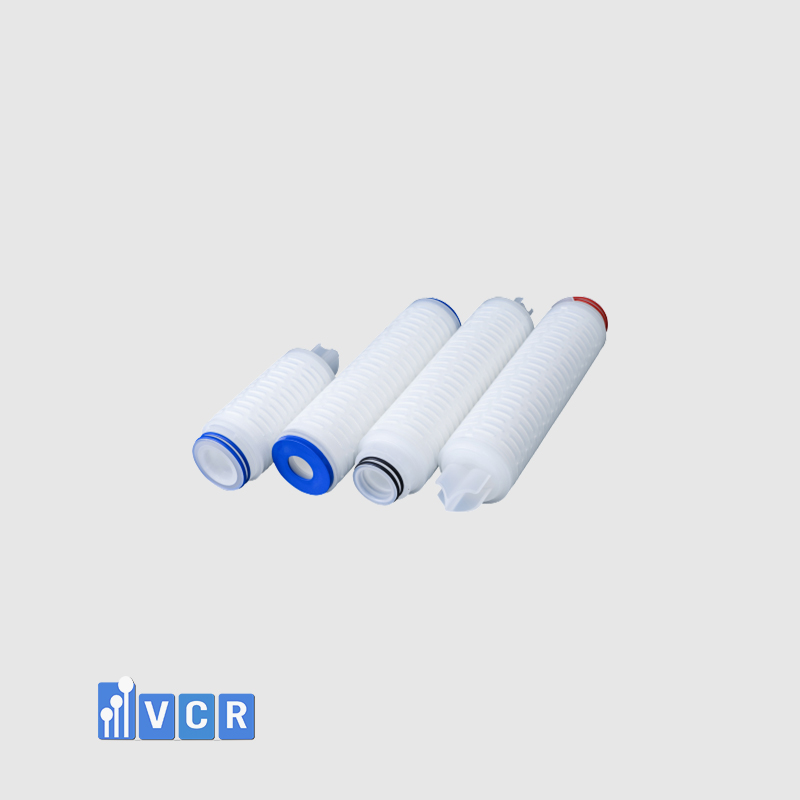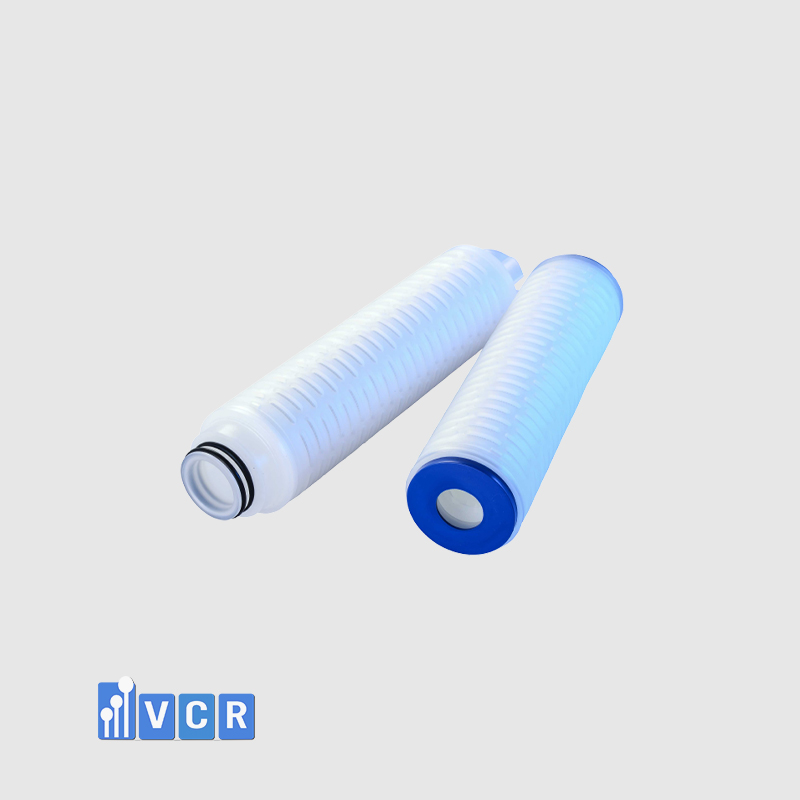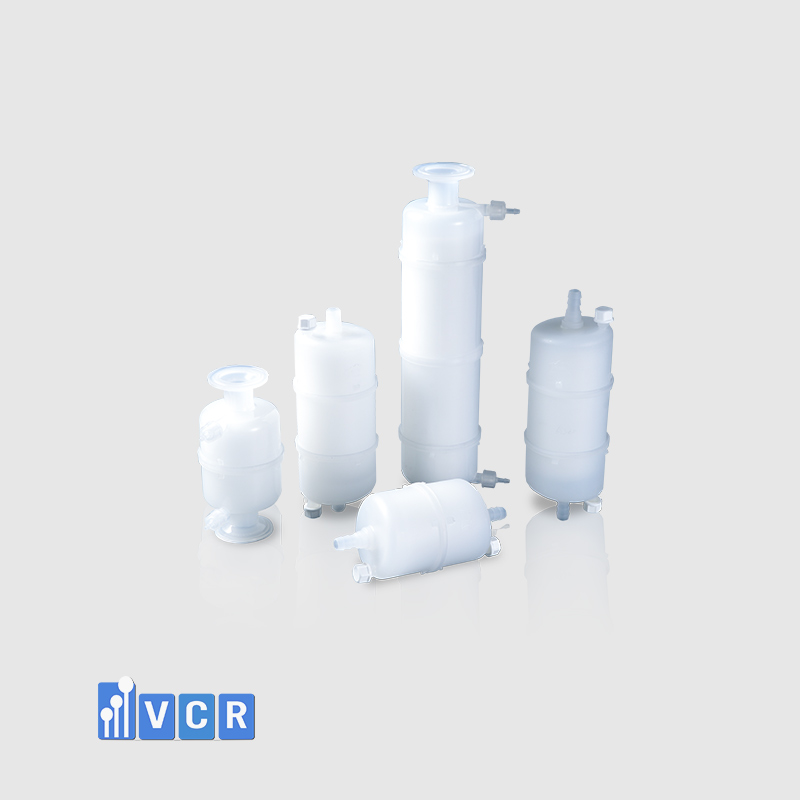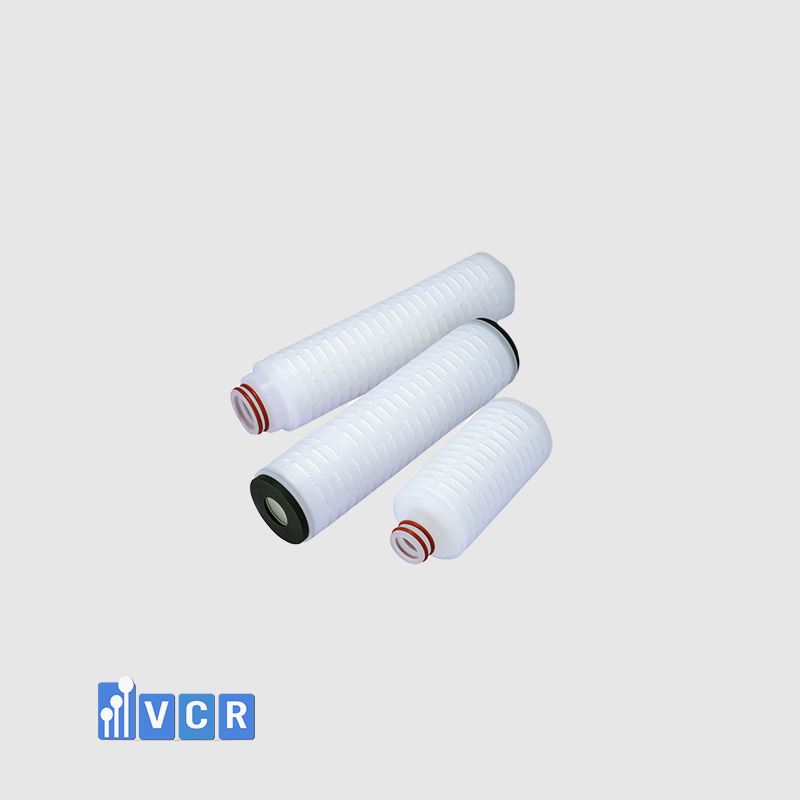
- What is a pleated filter cartridge?
- What is the purpose of a pleated filter cartridge in cleanrooms?
- How does a pleated filter cartridge work?
- Why is it called a “pleated” filter cartridge?
- What is the role of pleated filter cartridges in cleanroom systems?
- When should pleated filter cartridges be used?
- How do pleated filters differ from string wound filters?
- What materials are used in pleated filter cartridges?
- What does micron rating mean in pleated filters?
- Can pleated filters remove bacteria?
- Are pleated filters used for gas or only for liquids?
- Why do pleated filters have higher efficiency?
- Are pleated filters single-use?
- Do pleated filters affect product quality?
- Where are pleated filters installed in systems?
- What factors affect pleated filter lifespan?
- Do pleated filters need pre-use testing?
- How are pleated filters related to GMP standards?
- Can pleated filters replace HEPA filters?
- Why is it important to understand pleated filters correctly?
Through practical implementation across multiple projects, “VCR cleanroom equipment” has observed that pleated filter cartridges are not just consumables but essential parts of a system designed to control product quality. Understanding their true function is the foundation for effective operation and compliance.
What is a pleated filter cartridge?
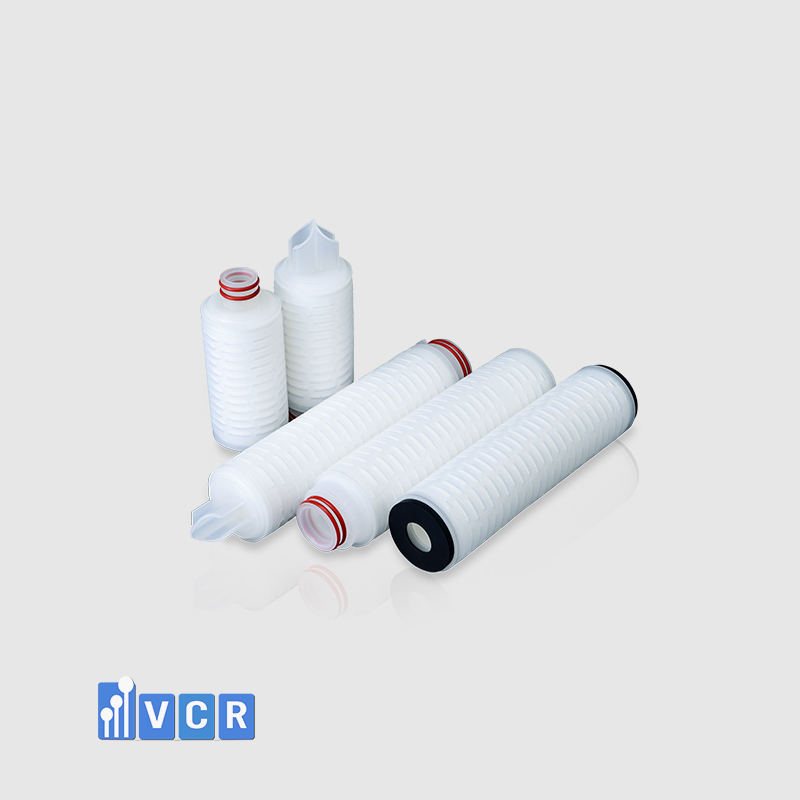
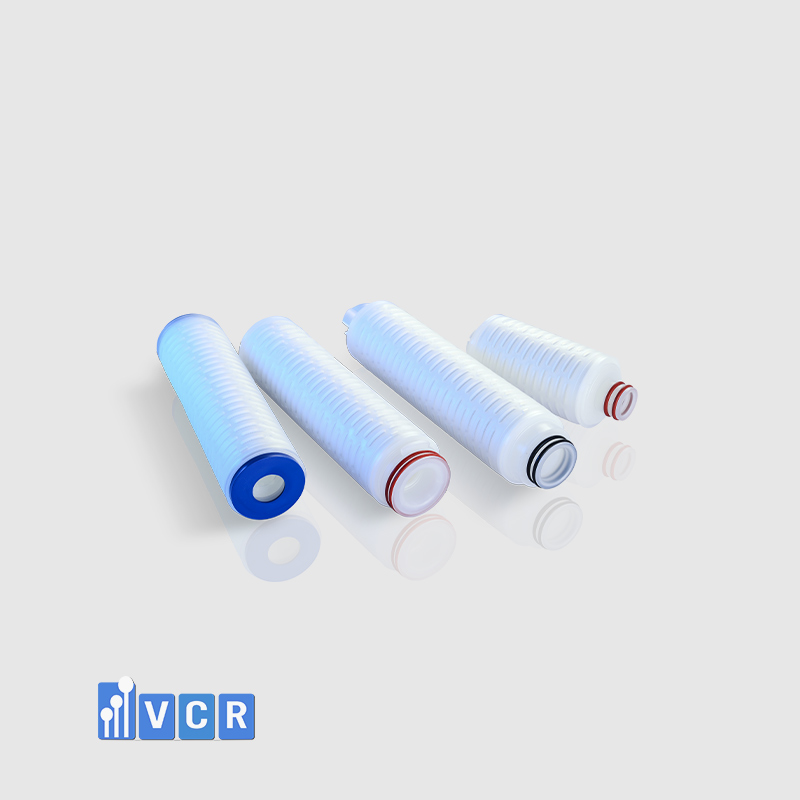
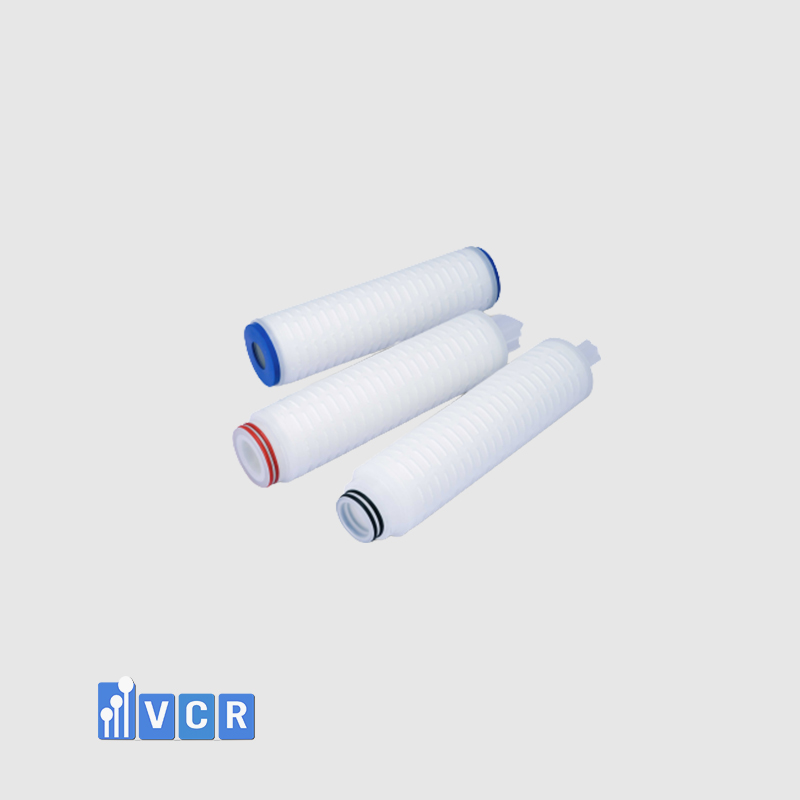
A pleated filter cartridge is a type of filter element that uses folded (pleated) filter media to increase surface area within a compact volume. This design improves particle retention efficiency and extends service life.
It is commonly used in liquid or gas filtration systems, particularly in environments requiring strict control of particles and microorganisms. The cartridge acts as a final barrier to ensure output quality meets required standards.
What is the purpose of a pleated filter cartridge in cleanrooms?
Pleated filter cartridges are used to remove solid particles, microorganisms, or contaminants from liquids or gases before they enter critical processes. This is a key control step to prevent contamination.
In industries such as pharmaceuticals and cosmetics, they are widely used in purified water systems, process liquids, or compressed air. Their role is to ensure both the environment and the product remain within controlled limits.
How does a pleated filter cartridge work?
Pleated filter cartridges operate based on surface filtration and depth filtration mechanisms, depending on the media structure. Particles larger than the pore size are retained on the surface or within the filter layers.
The pleated design distributes flow evenly and reduces local velocity, improving particle retention efficiency. It also helps reduce pressure drop compared to non-pleated filters.
Why is it called a “pleated” filter cartridge?
The term “pleated” comes from the folded structure of the filter media, which resembles an accordion. This folding increases the contact area between the fluid and the filter surface without increasing overall size.
As a result, the cartridge achieves higher efficiency within the same installation space, distinguishing it from smooth or wound filters.
What is the role of pleated filter cartridges in cleanroom systems?
In cleanroom systems, pleated filter cartridges control the quality of incoming liquids or gases. They are part of a broader contamination control chain ensuring system stability.
Without proper filtration, contaminants can enter the process, affecting product quality and increasing the risk of non-compliance.
When should pleated filter cartridges be used?
They should be used when precise and stable filtration is required, especially in sensitive processes such as final filtration before filling.
They are also ideal when high filtration efficiency is needed within limited installation space.
How do pleated filters differ from string wound filters?
The main difference lies in structure and performance. Pleated filters offer a larger surface area, allowing higher dirt-holding capacity and longer service life.
String wound filters are typically used for coarse filtration, while pleated filters are used for fine or final filtration stages.
What materials are used in pleated filter cartridges?
Common materials include PES (Polyethersulfone), PTFE, polypropylene, and nylon, depending on application requirements. Each material has specific properties related to temperature, chemical resistance, and filtration performance.
Material selection depends on process conditions and compatibility.
What does micron rating mean in pleated filters?
Micron rating indicates the particle size that the filter can retain, measured in micrometers (µm). For example, a 0.2 µm filter can remove most bacteria.
This is a critical parameter for selecting the appropriate filter.
Can pleated filters remove bacteria?
Yes, filters with pore sizes such as 0.2 µm or 0.1 µm can effectively remove most bacteria from fluids.
However, proper material selection and integrity testing are required to ensure performance.
Are pleated filters used for gas or only for liquids?
Pleated filters can be used for both gas and liquid filtration, depending on design and material. For example, PTFE is commonly used for sterile gas filtration.
The application determines the appropriate type.
Why do pleated filters have higher efficiency?
Their high efficiency comes from increased surface area and uniform flow distribution, which enhance particle retention and extend service life.
They also reduce pressure drop, improving operational efficiency.
Are pleated filters single-use?
Most pleated filter cartridges are designed for single use to ensure hygiene and prevent cross-contamination. Some types can be reused under controlled conditions.
Single-use simplifies validation and reduces risk.
Do pleated filters affect product quality?
Yes, they directly impact output quality. Poor-quality filters may allow contaminants to pass through, leading to product defects.
Proper selection and control are essential.
Where are pleated filters installed in systems?
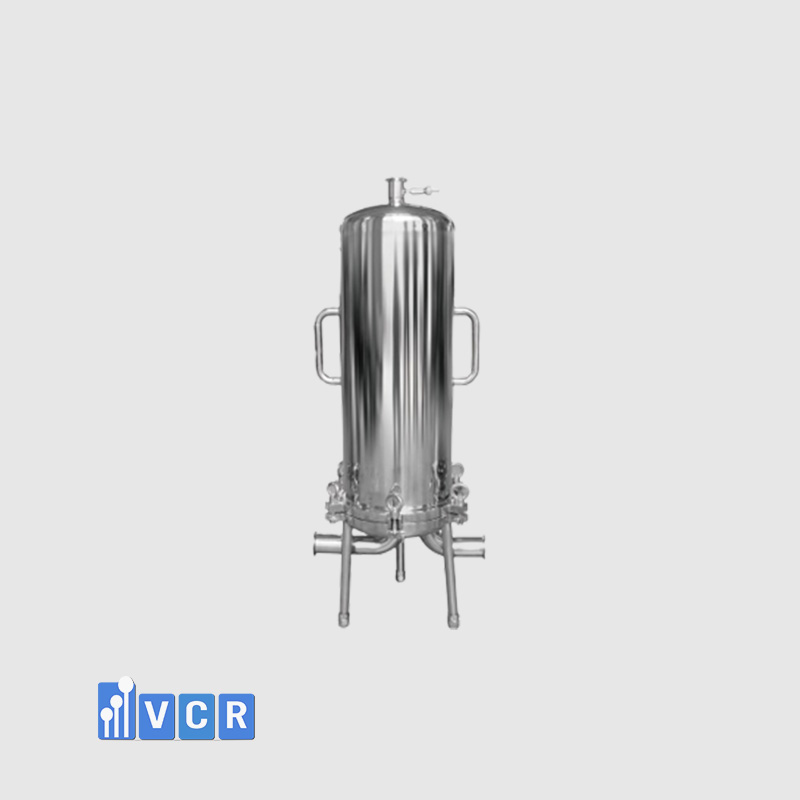
They are typically installed in filter housings at critical control points, such as before storage tanks or filling processes.
Installation position directly affects filtration effectiveness.
What factors affect pleated filter lifespan?
Lifespan depends on feed quality, flow rate, pressure, and filter material. High contamination levels can cause faster clogging.
Monitoring differential pressure helps determine replacement timing.
Do pleated filters need pre-use testing?
Yes, especially in critical applications, integrity testing is required to ensure no leaks or defects.
This step ensures filtration performance.
How are pleated filters related to GMP standards?
Under GMP, filters are part of the quality control system. Their selection, use, and testing must be strictly managed.
Documentation is also required for audit purposes.
Can pleated filters replace HEPA filters?
No, they serve different purposes. HEPA filters are used for air filtration in cleanrooms, while pleated cartridges are typically used for process fluids or gases.
They complement each other rather than replace.
Why is it important to understand pleated filters correctly?
Proper understanding enables correct selection, efficient operation, and risk reduction. It is also the foundation for building long-term compliance systems.
When equipment is well understood, the entire system becomes more stable and controllable.
Duong VCR