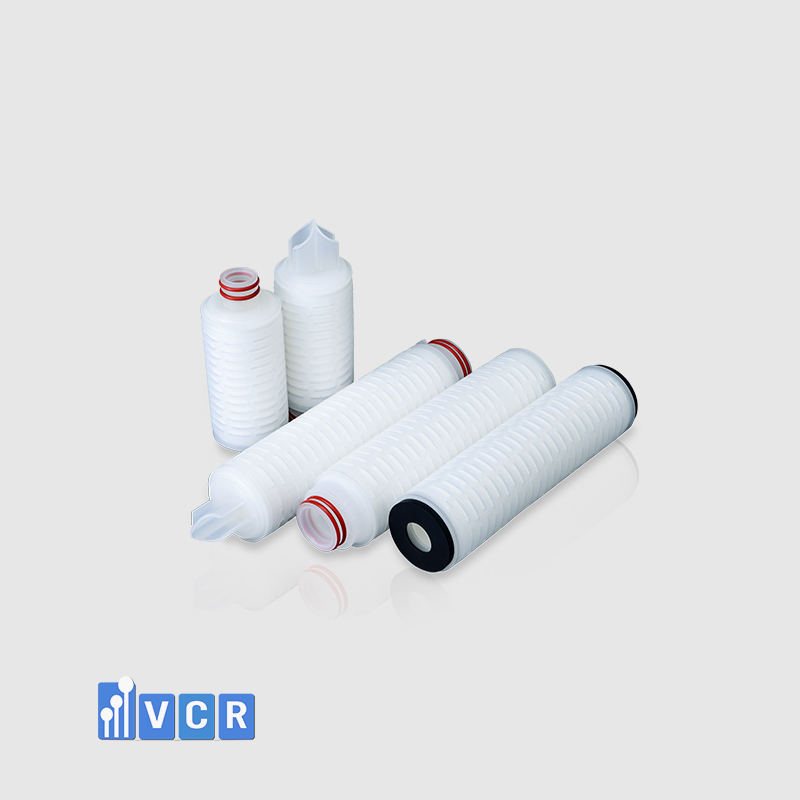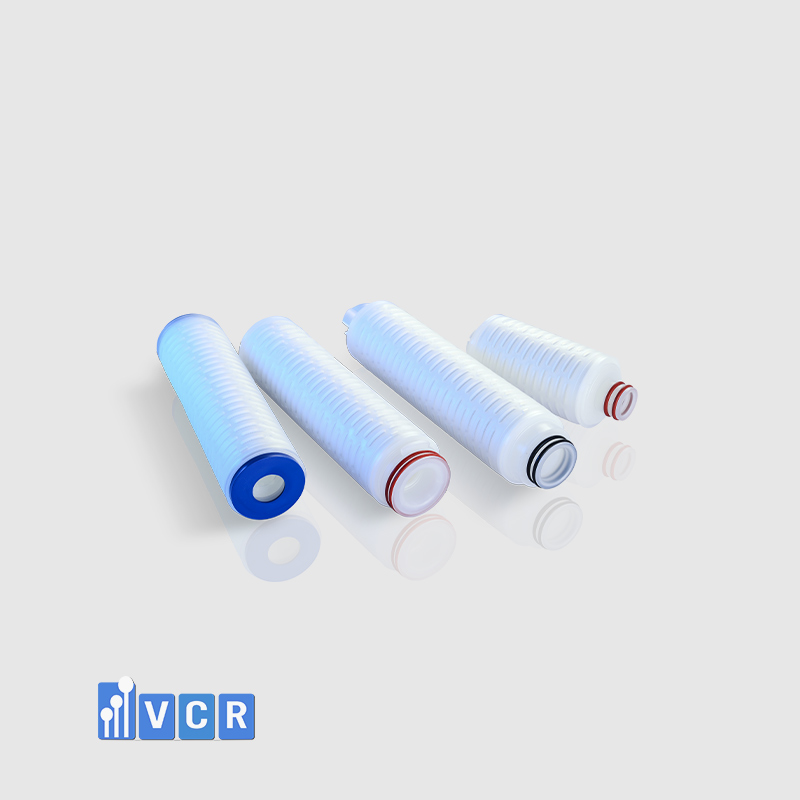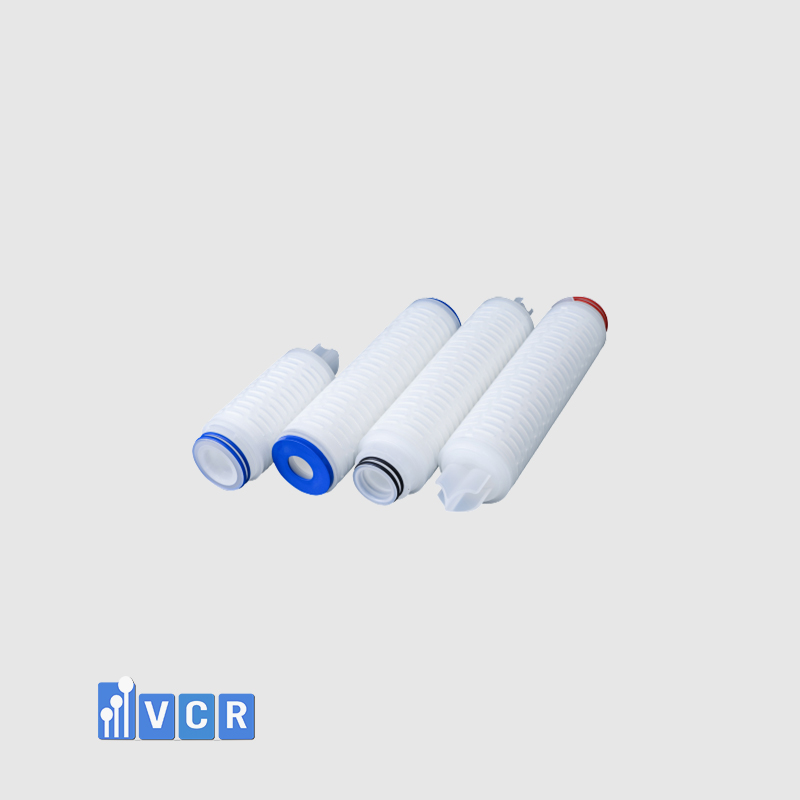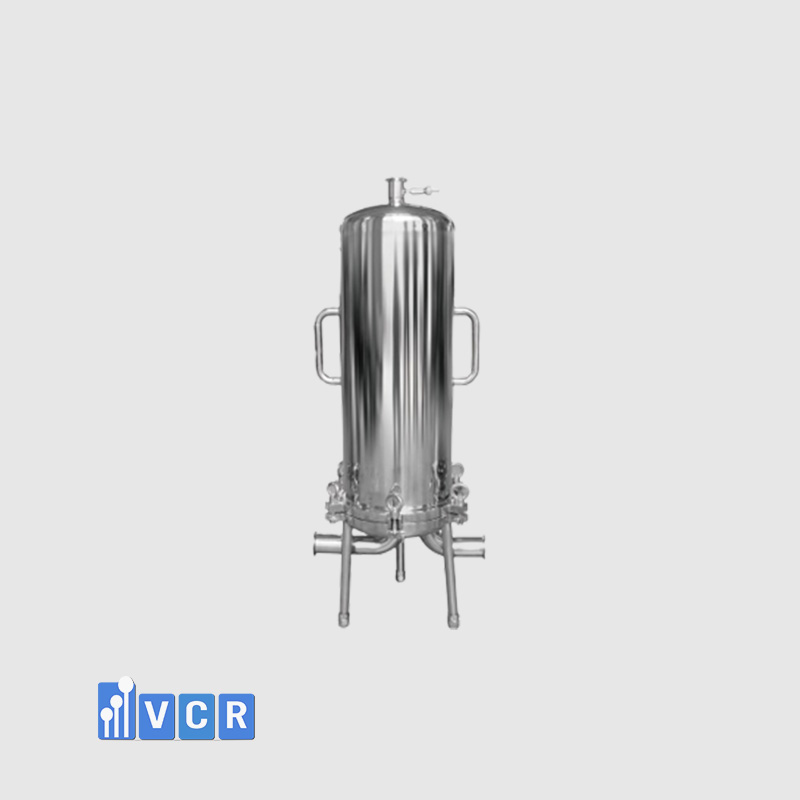

- What is the GMP-compliant installation process for pleated filter cartridges?
- Where should pleated filter cartridges be installed for optimal performance?
- What environmental conditions are required during installation in cleanrooms?
- What are the most common installation mistakes?
- How can bypass be prevented during installation?
- Should cartridges be inspected before installation?
- Is gasket lubrication required during installation?
- What happens if the cartridge is installed in the wrong flow direction?
- Is torque control important during installation?
- Why is post-installation testing necessary?
- What does an installation acceptance checklist include?
- Is documentation of installation required?
- Is personnel training required for installation?
- Is change control required when replacing cartridges?
- What should be considered when installing multiple cartridges in parallel?
- Is housing cleaning required before installation?
- Does installation affect initial pressure drop?
- Should cartridges be labeled after installation?
- Should installation data be integrated into management systems?
- Why is installation a critical step in filtration systems?
From real-world deployment, “VCR cleanroom equipment” has observed that installation is the step where design becomes reality. A correct specification installed incorrectly can cause bypass, leakage, or unstable performance data. Therefore, installation must be managed as part of the quality system, not just a construction activity.
What is the GMP-compliant installation process for pleated filter cartridges?
The process begins with incoming inspection: verifying correct type, micron rating, material, packaging integrity, and documentation. Next is cleaning the housing, checking sealing surfaces and gaskets, and ensuring no contamination is present.
During installation, the cartridge must be placed in the correct flow direction and properly seated according to connection type (DOE/SOE). After installation, system testing is required—checking pressure drop, flow rate, and leakage. All steps must be documented for traceability and audit readiness.
Where should pleated filter cartridges be installed for optimal performance?
Installation location depends on function. The general principle is to place filters as close as possible to the point of use (POU), such as before filling lines, storage tanks, or critical process points.
The location should also avoid vibration, excessive heat, and hard-to-access areas. A good installation balances filtration effectiveness with maintainability.
What environmental conditions are required during installation in cleanrooms?
Installation should be performed in a controlled environment consistent with the cleanroom classification. Personnel must wear appropriate cleanroom garments and follow hygiene procedures.
This prevents initial contamination—an often overlooked issue that can compromise system performance from the start.
What are the most common installation mistakes?
Common errors include incorrect cartridge type, wrong micron rating, misaligned gaskets, unclean housing, or improper tightening. One critical issue is bypass due to poor sealing.
These problems may not be immediately visible but can lead to unstable system performance and audit failure.
How can bypass be prevented during installation?
Bypass occurs when fluid flows around the filter instead of through it. Prevention requires proper gasket inspection, correct seating, and compatible housing connections.
Post-installation pressure checks and integrity testing are essential to confirm proper sealing.
Should cartridges be inspected before installation?
Yes, visual inspection and specification verification are mandatory. In critical applications, pre-installation integrity testing may also be required.
This step helps eliminate defects before operation.
Is gasket lubrication required during installation?
In many cases, compatible lubricant is used to ensure proper sealing and prevent gasket damage. However, the lubricant must not introduce contamination.
Always follow manufacturer recommendations and SOPs.
What happens if the cartridge is installed in the wrong flow direction?
Some cartridges are designed for a specific flow direction. Incorrect installation can reduce efficiency or damage the filter structure.
Always check flow direction indicators before installation.
Is torque control important during installation?
Yes, correct tightening ensures proper sealing without damaging components. Over-tightening can deform gaskets, while under-tightening may cause leakage.
Torque should follow technical specifications.
Why is post-installation testing necessary?
Testing verifies system integrity by checking pressure drop, flow stability, and leakage. It confirms that installation was performed correctly.
Baseline data from testing is useful for future monitoring.
What does an installation acceptance checklist include?
The checklist typically covers correct cartridge type, proper positioning, sealing integrity, acceptable pressure drop, complete documentation, and successful test results.
It ensures consistency and minimizes errors.
Is documentation of installation required?
Yes, records should include cartridge type, location, installation date, operator, and test results. This supports traceability and audits.
Proper documentation improves system reliability.
Is personnel training required for installation?
Yes, trained personnel understand critical control points and risks, reducing errors and ensuring consistency.
Auditors often assess this directly.
Is change control required when replacing cartridges?
If replacement is identical, change control may not be necessary. However, any change in material or specification requires formal evaluation and approval.
This ensures system stability.
What should be considered when installing multiple cartridges in parallel?
Flow distribution must be balanced to avoid overloading individual cartridges. Proper manifold design is critical.
Balanced systems improve lifespan and performance.
Is housing cleaning required before installation?
Yes, housing must be cleaned to remove contaminants and ensure proper sealing surfaces.
This is a fundamental but often overlooked step.
Does installation affect initial pressure drop?
Yes, correct installation results in pressure drop within design limits. Abnormal readings may indicate installation issues.
It is a quick diagnostic indicator.
Should cartridges be labeled after installation?
Yes, labeling helps track service life and schedule replacement, especially in large systems.
It supports maintenance planning.
Should installation data be integrated into management systems?
Yes, integrating installation data with maintenance and quality systems enables lifecycle tracking and predictive management.
This supports data-driven operation.
Why is installation a critical step in filtration systems?
Installation is the transition from design to operation. Even the best equipment will fail if installed incorrectly.
A reliable system starts with correct installation, proper control, and complete documentation from the beginning.
Duong VCR