- What does GMP-compliant operation of pleated filter cartridges mean?
- How do filter cartridges function during a production shift?
- When should a filtration system be stopped to avoid risks?
- Are there safety mechanisms in filtration systems?
- Why is operator training mandatory in GMP?
- What does pressure drop (ΔP) indicate during operation?
- How does flow rate affect filtration performance?
- Why is continuous data recording important?
- When should cartridges be replaced during operation?
- Is it acceptable to operate beyond design limits?
- Is a “break-in” phase required?
- How can leaks be detected during operation?
- How does temperature affect filter cartridges?
- What is the role of SOPs in operation?
- Is continuous monitoring necessary?
- Are alarm systems important?
- Is system cleaning required during operation?
- What is the role of periodic inspection?
- How does operation affect cartridge lifespan?
- Why is operation the key factor in filtration performance?
From real-world operation, “VCR cleanroom equipment” has observed that filtration systems only perform reliably when managed as part of the production process—not as standalone components. Effective operation combines technical understanding, parameter control, and data-driven decision-making.
What does GMP-compliant operation of pleated filter cartridges mean?
Proper operation means maintaining all parameters within validated limits: flow rate, pressure, temperature, and environmental conditions. Operators must understand not only how to run the system, but why each parameter matters.
All actions must follow SOPs, with proper data recording and traceability. This is fundamental to GMP compliance.
How do filter cartridges function during a production shift?
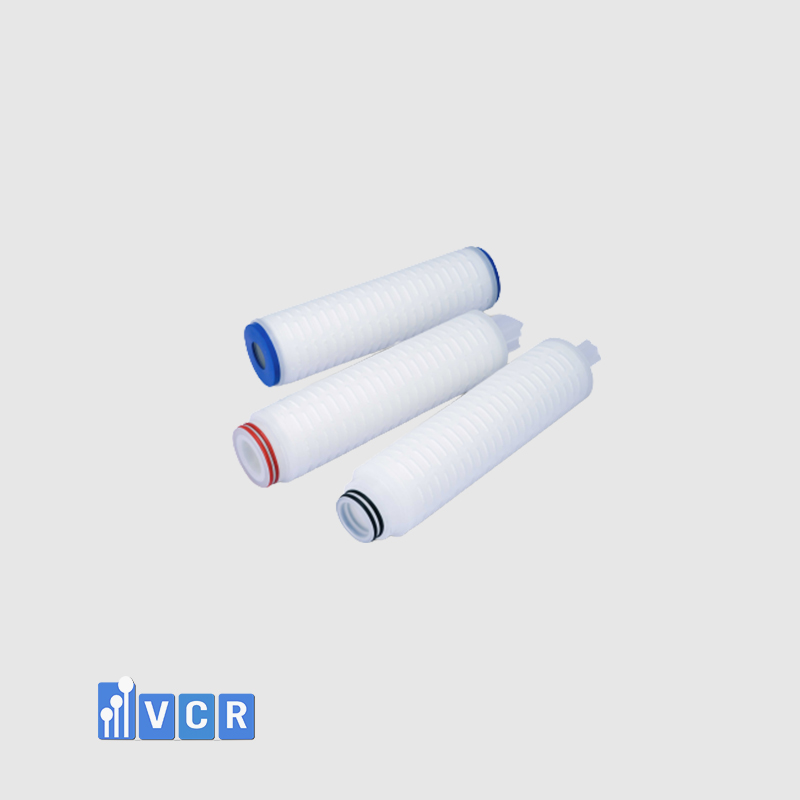
During operation, cartridges continuously remove particles and contaminants. Over time, accumulation increases pressure drop and reduces flow.
This is normal, but must be monitored to ensure the system remains within acceptable limits.
When should a filtration system be stopped to avoid risks?
The system should be stopped when pressure drop exceeds limits, flow decreases significantly, abnormal vibration occurs, or contamination is suspected.
Timely shutdown prevents system damage and protects product quality.
Are there safety mechanisms in filtration systems?
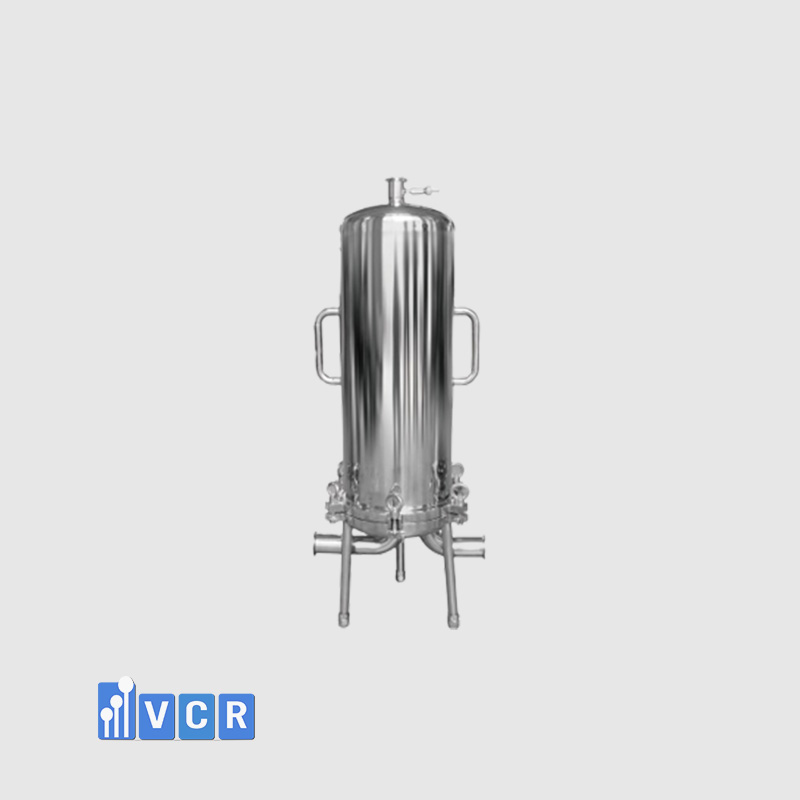
While cartridges themselves are passive, systems typically include pressure sensors, safety valves, and alarms. Advanced systems may integrate with BMS for centralized monitoring.
However, human response remains critical.
Why is operator training mandatory in GMP?
Training ensures operators understand both procedures and underlying principles. This reduces human error and improves consistency.
Auditors often assess operator competence directly.
What does pressure drop (ΔP) indicate during operation?
Pressure drop is the most important indicator of filter condition. A gradual increase indicates normal loading.
A sudden increase suggests abnormal blockage or system issues and requires immediate attention.
How does flow rate affect filtration performance?
High flow reduces contact time and filtration efficiency while accelerating clogging. Low flow may disrupt production processes.
Maintaining design flow range is essential.
Why is continuous data recording important?
Data enables evidence-based operation. Parameters like ΔP, flow rate, and usage time help predict replacement timing.
This supports predictive maintenance strategies.
When should cartridges be replaced during operation?
Replacement should be based on data—not just time. When ΔP exceeds limits, performance drops, or lifecycle is reached, replacement is required.
Timely replacement optimizes cost and performance.
Is it acceptable to operate beyond design limits?
No. Operating beyond limits reduces lifespan, increases failure risk, and generates unstable data that can affect audits.
Staying within validated limits is fundamental.
Is a “break-in” phase required?
Some systems require initial stabilization to remove air and balance flow. This “break-in” phase ensures stable operation before production.
How can leaks be detected during operation?
Leaks can be identified through abnormal pressure readings, reduced efficiency, or direct inspection. Critical systems may use sensors.
Early detection prevents bypass and contamination.
How does temperature affect filter cartridges?
Each material has temperature limits. Exceeding these can damage the filter or reduce efficiency.
Temperature control is therefore critical.
What is the role of SOPs in operation?
SOPs standardize procedures and ensure consistent execution. They are essential components of quality systems.
They are also key documents during audits.
Is continuous monitoring necessary?
Yes, especially in critical systems. Sensors and monitoring systems help detect issues early.
This aligns with smart cleanroom trends.
Are alarm systems important?
Yes, alarms reduce reliance on manual observation and enable faster response to deviations.
A good system is one that “communicates” issues clearly.
Is system cleaning required during operation?
Depending on the application, CIP or SIP may be required to maintain cleanliness, especially in pharmaceutical environments.
Proper cleaning maintains performance and compliance.
What is the role of periodic inspection?
Routine inspection detects early issues and maintains system stability. It is part of preventive maintenance.
A well-maintained system always includes a clear inspection plan.
How does operation affect cartridge lifespan?
Proper operation extends lifespan and reduces replacement cost. Poor operation significantly shortens it.
This directly impacts operational expenses.
Why is operation the key factor in filtration performance?
Design defines potential, but operation determines actual performance. Even the best system fails if operated incorrectly.
Stable long-term performance depends on correct operation and continuous control.
Duong VCR