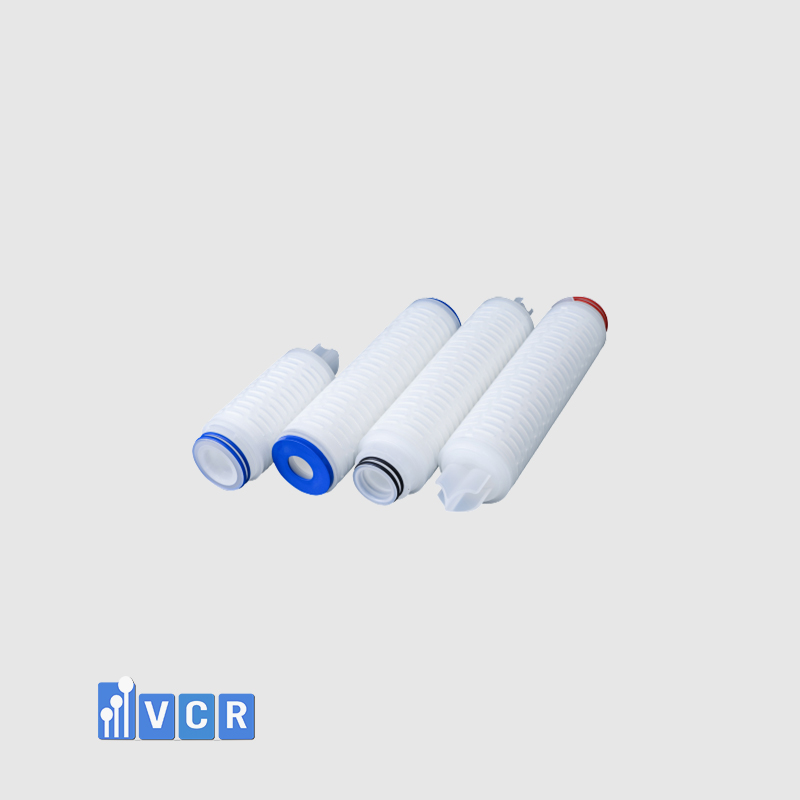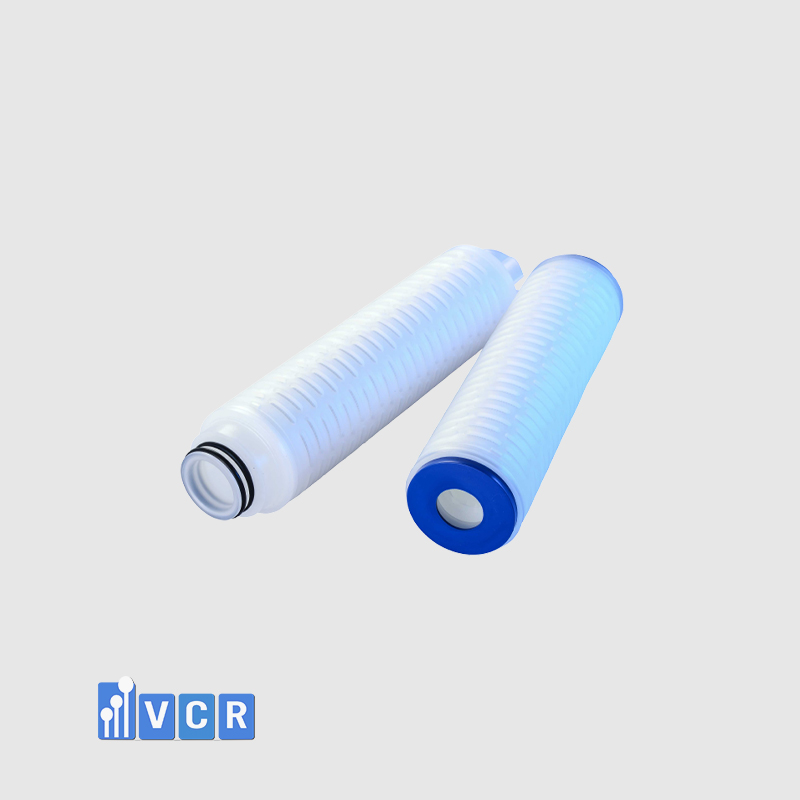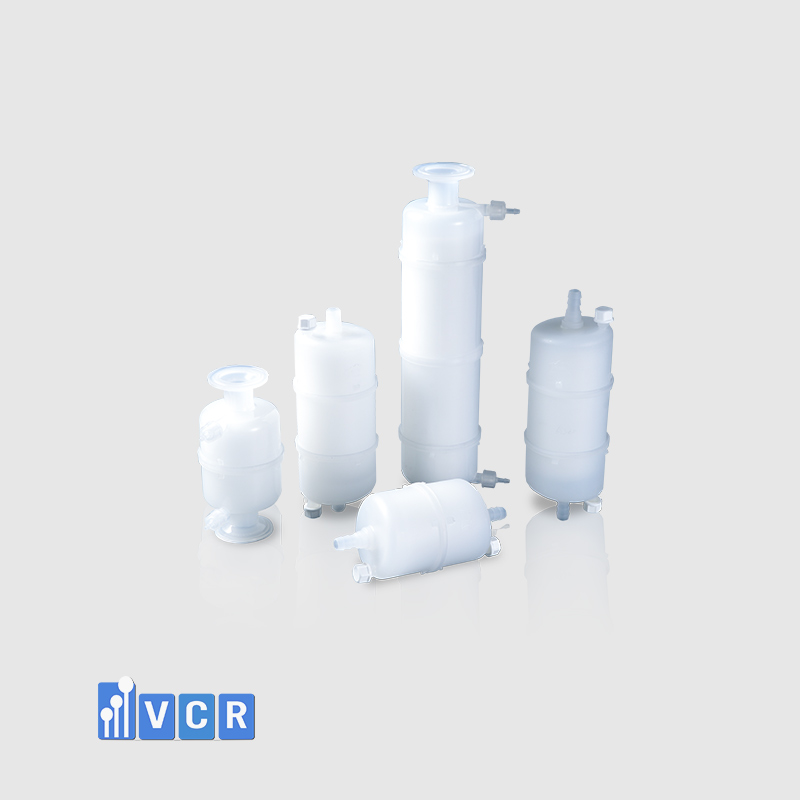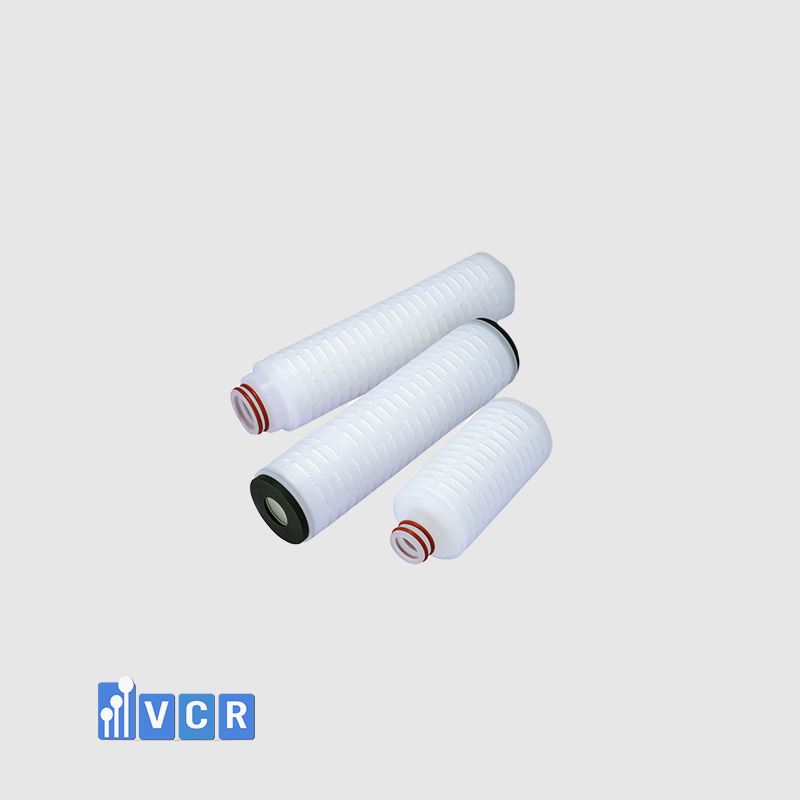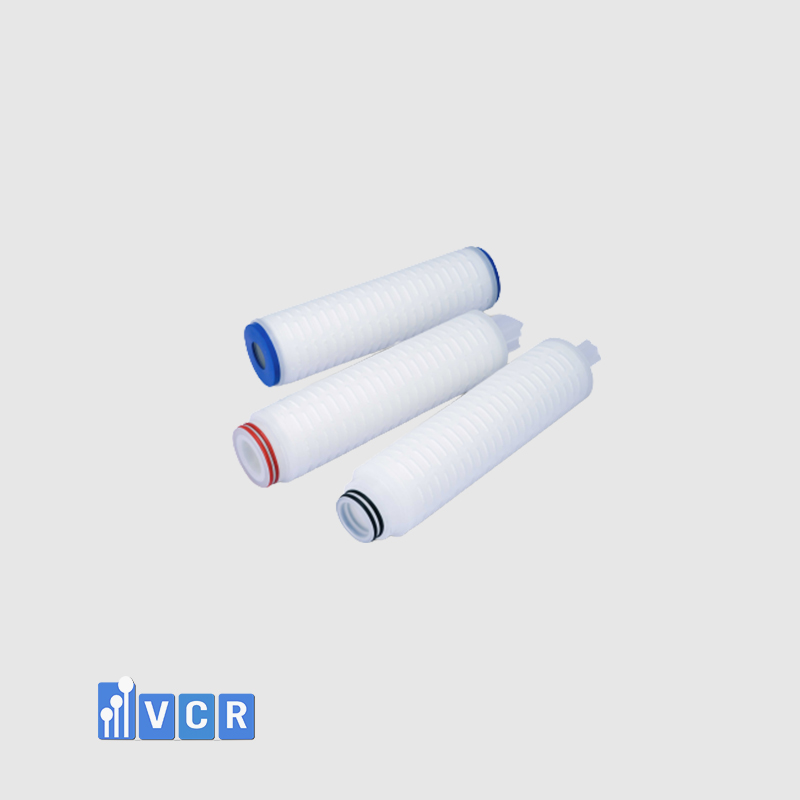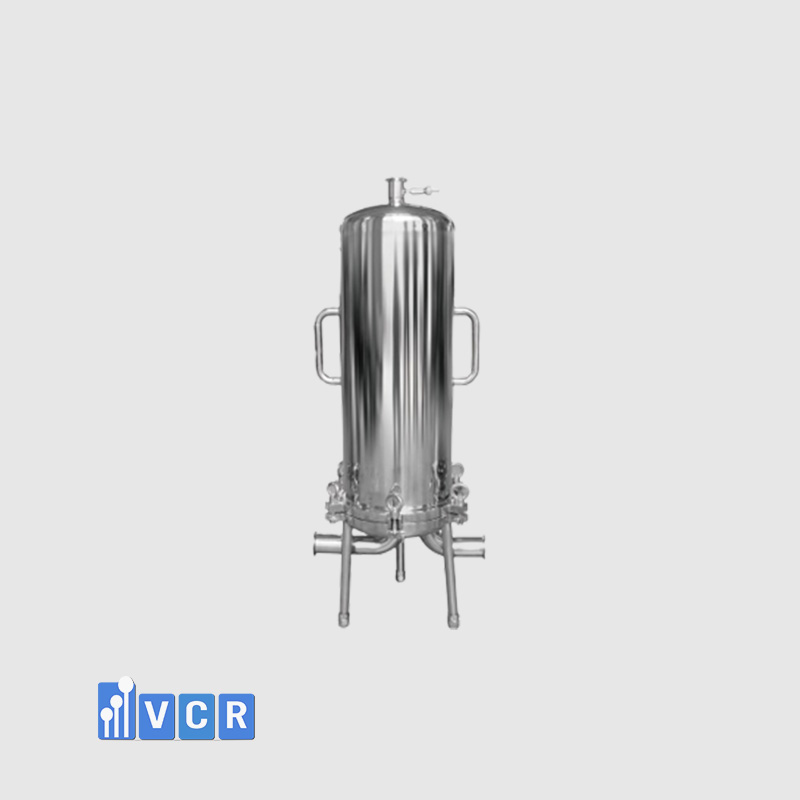
- How are pleated filter cartridges used in the pharmaceutical industry?
- How are pleated filters applied in the cosmetics industry?
- What is the role of pleated filters in the food industry?
- How are pleated filters used in the electronics industry?
- Are pleated filters used in laboratories?
- How are pleated filters used in sterile environments?
- Are pleated filters required in airlocks?
- Are pleated filters used in RO water systems?
- Are pleated filters used in compressed air systems?
- Are pleated filters used in HVAC systems?
- What is the role of pleated filters in CIP/SIP systems?
- Are pleated filters used in vaccine production?
- Are pleated filters used in purified water production?
- Are pleated filters used in injectable drug production?
- Are pleated filters used in dietary supplement production?
- Are pleated filters used in ISO 5 cleanrooms?
- Are pleated filters used in ISO 7–8 cleanrooms?
- Are pleated filters used in microbiological production?
- Are pleated filters used in BIBO systems?
- Why is it important to understand applications by industry?
Through practical consulting experience, “VCR cleanroom equipment” has observed that although the same filter cartridge is used, its application varies significantly by industry. Understanding the correct context is key to performance and compliance.
How are pleated filter cartridges used in the pharmaceutical industry?
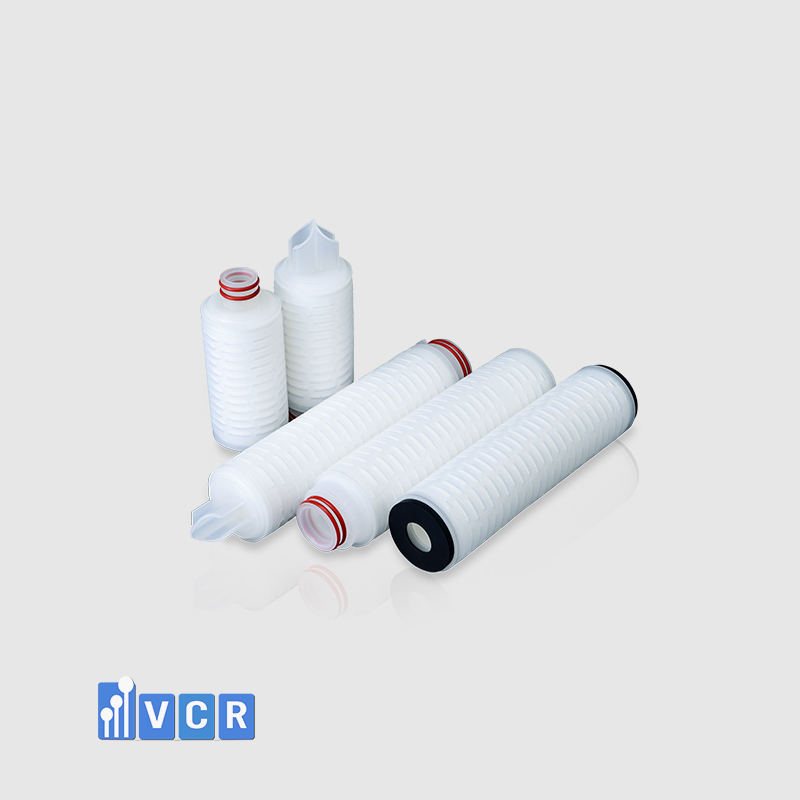
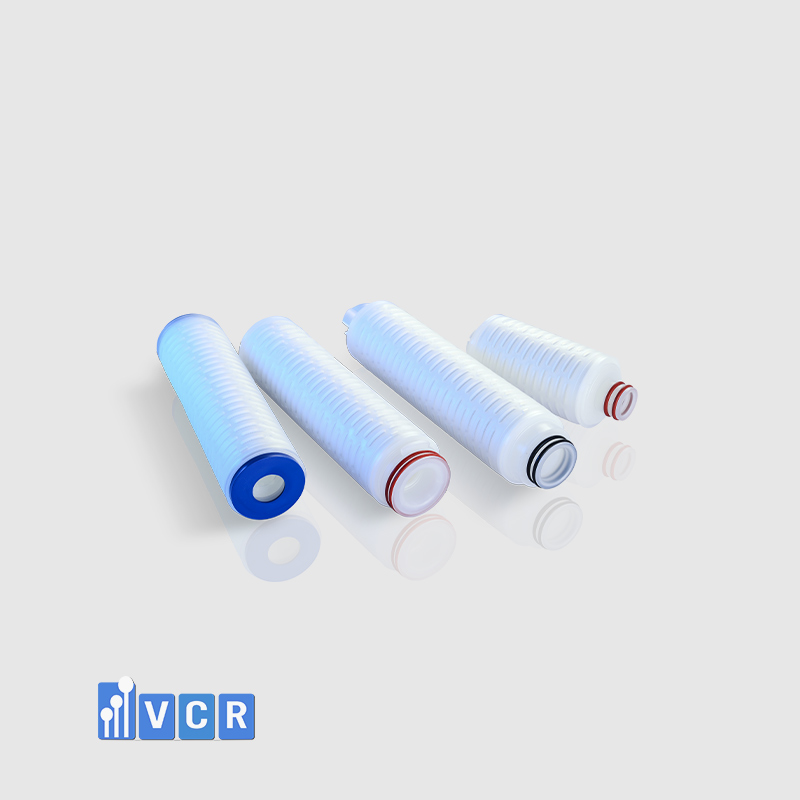
In pharmaceuticals, pleated filter cartridges are mainly used to filter process liquids, purified water, and compressed gases. They are especially critical before filling operations, acting as a final barrier to remove bacteria and fine particles.
Their use requires strict control of material, pore size, and integrity testing. This is an essential part of GMP-compliant quality assurance systems.
How are pleated filters applied in the cosmetics industry?
In cosmetics manufacturing, pleated filters are used to filter water, base solutions, and liquid products before packaging. The goal is to remove impurities and ensure clarity and consistency.
They also help control microbial contamination in sensitive products such as serums and lotions.
What is the role of pleated filters in the food industry?
In food production, pleated filters are used to purify water, beverages, and liquid ingredients by removing particles and microorganisms. This ensures food safety and extends shelf life.
Typical applications include beverage processing and liquid food filtration.
How are pleated filters used in the electronics industry?
In electronics manufacturing, pleated filters are used for filtering ultra-pure water (UPW) and compressed air to remove fine particles that can damage sensitive components.
Given the strict particle control requirements, proper filter selection is crucial for product quality.
Are pleated filters used in laboratories?
Yes, in laboratories, pleated filters are used to filter samples, solvents, or gases to ensure analytical accuracy.
They are particularly important in microbiological and chemical testing where contamination must be avoided.
How are pleated filters used in sterile environments?
In sterile areas, pleated filters are typically used as final filtration before product exposure to the environment.
Filters with small pore sizes (e.g., 0.2 µm) help remove bacteria and maintain sterility.
Are pleated filters required in airlocks?
Airlocks mainly control pressure and airflow, so pleated filters are not directly installed there.
However, filters may be used in the air supply system feeding the airlock to ensure clean incoming air.
Are pleated filters used in RO water systems?
Yes, they are commonly used as pre-filters or post-filters in RO systems to protect membranes and improve output water quality.
This helps extend system lifespan and maintain performance.
Are pleated filters used in compressed air systems?
Yes, pleated filters remove oil, moisture, and particles from compressed air, especially in clean applications.
Filtered air can then be safely used in production processes.
Are pleated filters used in HVAC systems?
Pleated filters do not replace HEPA filters in HVAC systems but may be used in auxiliary or pre-filtration stages.
They help reduce the load on primary filters and improve overall efficiency.
What is the role of pleated filters in CIP/SIP systems?
In CIP/SIP systems, pleated filters may be used to filter cleaning solutions or steam to prevent recontamination.
This ensures system cleanliness after cleaning processes.
Are pleated filters used in vaccine production?
Yes, they are used in multiple stages of vaccine production to ensure cleanliness and sterility of solutions.
They are a key part of strict quality control systems.
Are pleated filters used in purified water production?
Yes, they are used in various stages of purified water systems to remove particles and microorganisms.
This ensures compliance with cleanroom standards.
Are pleated filters used in injectable drug production?
In injectable manufacturing, pleated filters are critical in final filtration to ensure sterility.
Any failure at this stage can seriously impact product safety.
Are pleated filters used in dietary supplement production?
Yes, they are used to ensure cleanliness of liquids and raw materials, especially for liquid supplements.
This supports product safety and quality.
Are pleated filters used in ISO 5 cleanrooms?
Yes, they are used in supporting systems such as liquid or gas filtration within ISO 5 environments.
They help maintain strict contamination control.
Are pleated filters used in ISO 7–8 cleanrooms?
Yes, they are still important in controlling input quality, though applications may be more flexible depending on process requirements.
Are pleated filters used in microbiological production?
Yes, they help control contamination in both environment and process fluids, reducing cross-contamination risks.
Are pleated filters used in BIBO systems?
In some cases, pleated filters can be integrated into BIBO systems to ensure safe replacement and prevent hazardous exposure.
This is common in high biosafety environments.
Why is it important to understand applications by industry?
Each industry has different requirements for cleanliness, microbial control, and processes. Understanding the correct context ensures proper selection and cost optimization.
When applied correctly, systems operate more reliably and are easier to keep compliant.
Duong VCR