- What is the basic structure of a pleated filter cartridge?
- What materials are used in pleated filter cartridges?
- Why is the filter media pleated?
- What is the function of the support core?
- What are end caps and why are they important?
- What role do gaskets or seals play?
- What types of pleated filter cartridges exist?
- What is the working principle of a pleated filter cartridge?
- How does airflow interact with the pleated structure?
- What is the difference between surface and depth filtration?
- How does filter density affect performance?
- What is the typical configuration of a pleated filter cartridge?
- Can pleated filters be customized?
- How are pleated filters integrated into HVAC systems?
- What are the key design parameters?
- How does pressure drop relate to design?
- What is the importance of uniform pleat spacing?
- How does cartridge geometry affect performance?
- What is the lifespan of a pleated filter from a design perspective?
- How does design impact cleanroom compliance?
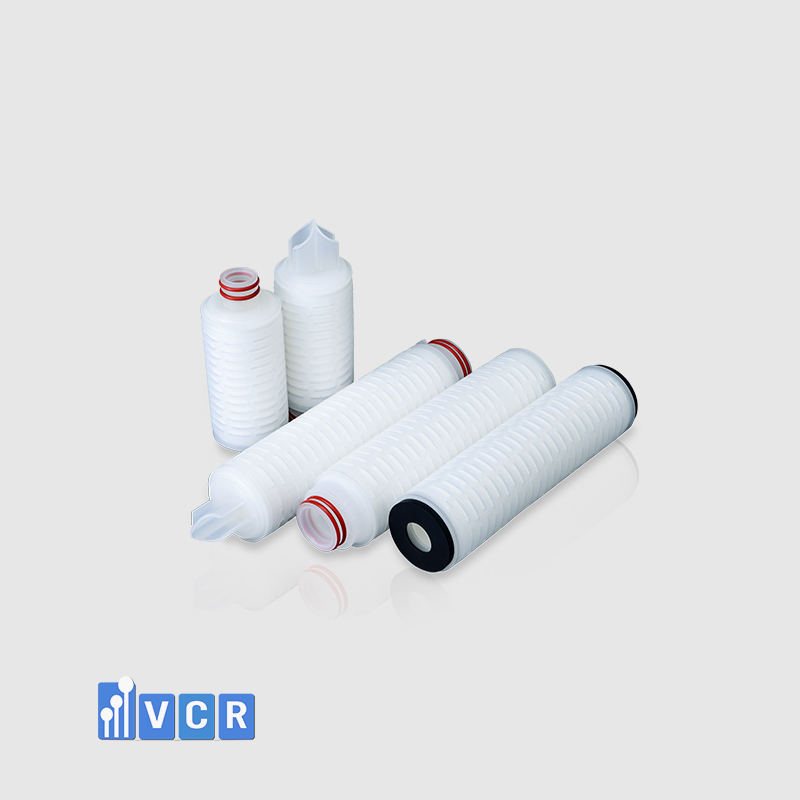
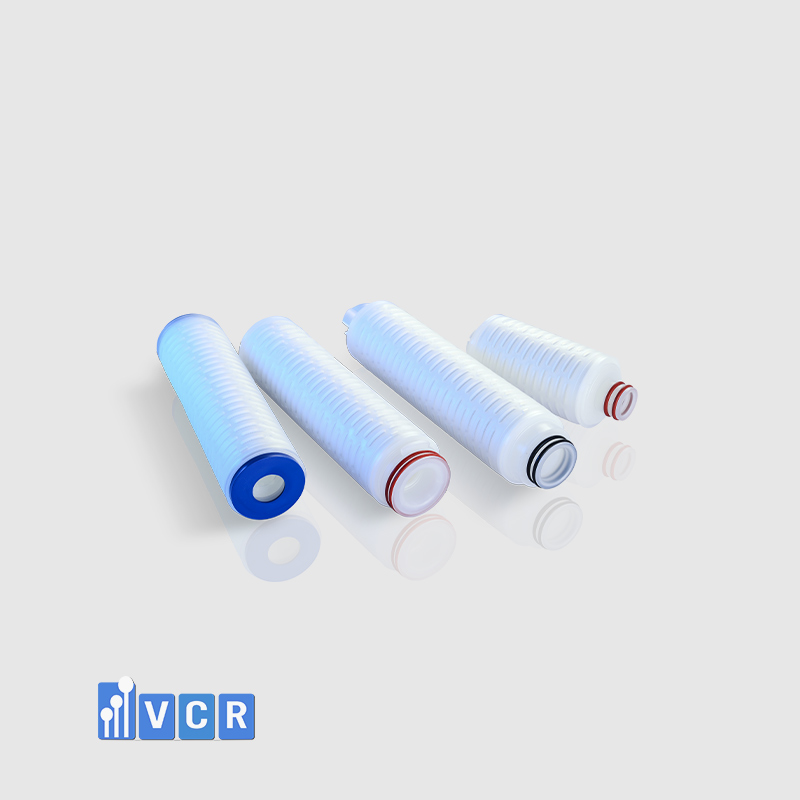
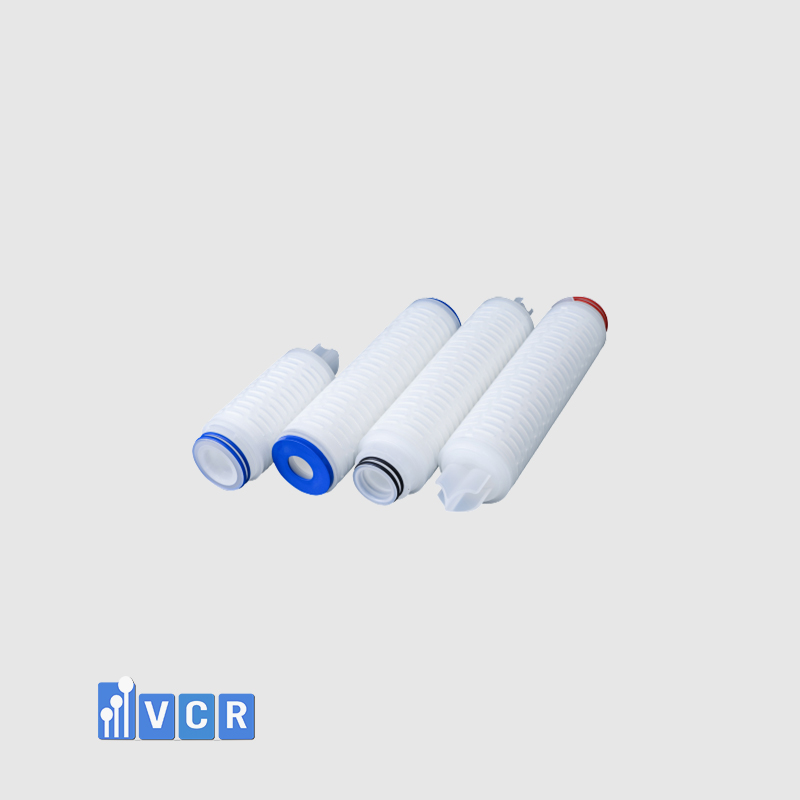
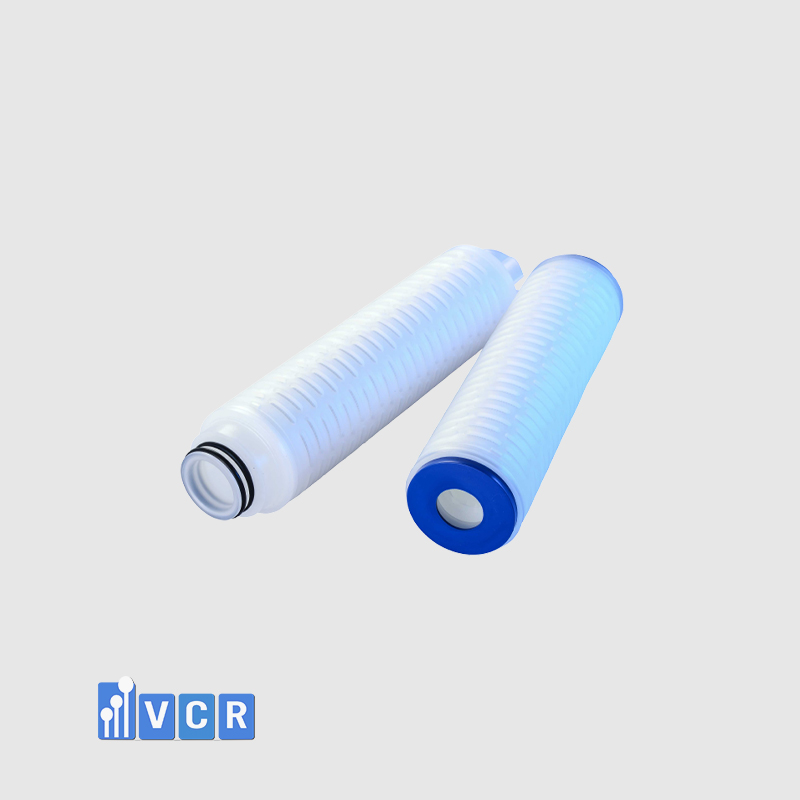
What is the basic structure of a pleated filter cartridge?
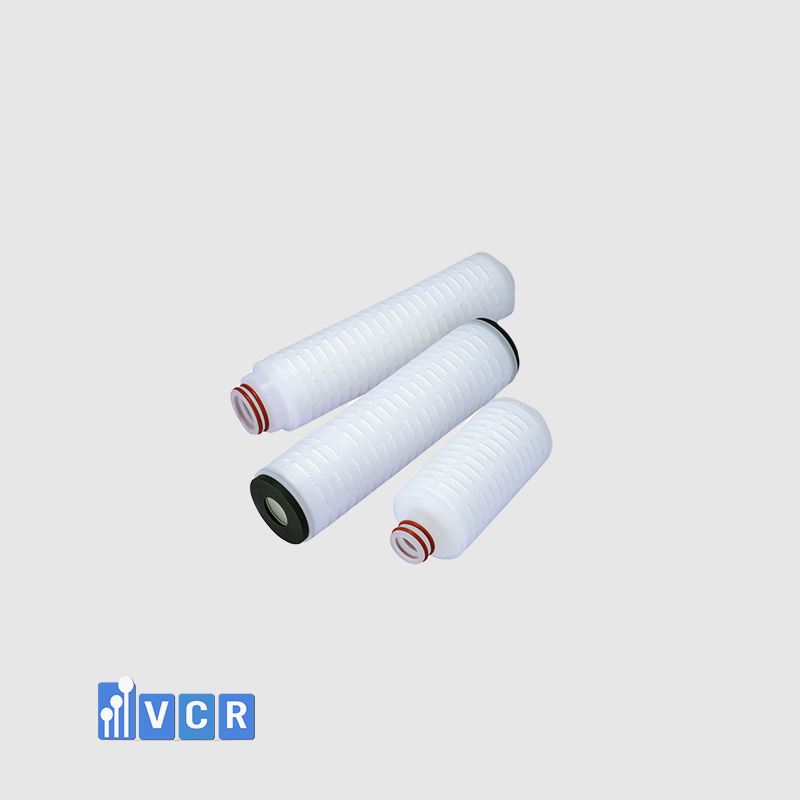
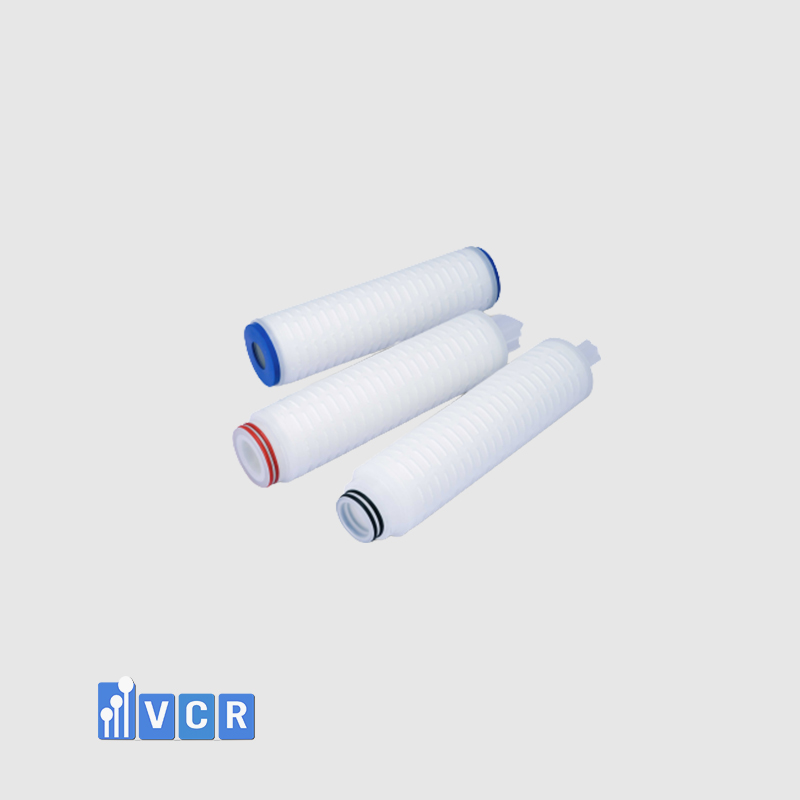
A pleated filter cartridge consists of folded filter media arranged in a compact structure to maximize filtration area. The media is typically supported by an inner core or outer cage to maintain shape under airflow or liquid pressure. End caps seal both ends of the cartridge, ensuring proper installation and structural integrity. Sealing elements such as gaskets or O-rings prevent bypass leakage. This combination creates a balance between high filtration efficiency and low pressure drop.
What materials are used in pleated filter cartridges?
Pleated filter cartridges are made from materials such as polypropylene, polyester, cellulose, or glass fiber. Polypropylene is widely used due to its chemical resistance and low extractables, making it suitable for GMP environments. Glass fiber offers high filtration efficiency for air applications. The choice of material depends on the filtration purpose, operating conditions, and compliance requirements.
Why is the filter media pleated?
The pleated design increases the effective surface area of the filter without increasing its external dimensions. This allows higher flow rates and longer service life compared to flat media. It also helps reduce pressure drop and improves particle capture efficiency, making it ideal for cleanroom and HVAC applications.
What is the function of the support core?
The support core provides mechanical strength to the pleated structure, preventing collapse under pressure. It ensures that the filter maintains its shape during operation and allows consistent airflow distribution across the media. Without a support core, the filter could deform and lose efficiency.
What are end caps and why are they important?
End caps are components attached to both ends of the cartridge to secure the filter media and maintain structural integrity. They also ensure proper sealing within the housing. Poor-quality end caps can lead to leakage or misalignment, affecting filtration performance.
What role do gaskets or seals play?
Gaskets or sealing elements ensure that all air or liquid passes through the filter media rather than bypassing it. They are critical for maintaining filtration integrity, especially in cleanroom environments where even minor leakage can compromise system performance.
What types of pleated filter cartridges exist?
Pleated filter cartridges can be classified by application, including air filters and liquid filters. They can also be categorized by filtration mechanism, such as surface filtration or depth filtration. Different designs are optimized for specific industries, including pharmaceuticals, food processing, and electronics.
What is the working principle of a pleated filter cartridge?
The working principle is based on mechanical filtration, where particles are captured through interception, inertial impaction, and diffusion as the fluid passes through the media. The pleated structure enhances this process by increasing contact area, improving efficiency while maintaining flow.
How does airflow interact with the pleated structure?
Airflow passes through the pleated media, distributing evenly across the folds. The design minimizes turbulence while maximizing particle capture. Proper design ensures uniform velocity and prevents localized overloading of the filter.
What is the difference between surface and depth filtration?
Surface filtration captures particles on the outer layer of the media, making it easier to clean or replace. Depth filtration traps particles throughout the thickness of the media, allowing higher capacity but making cleaning more difficult. The choice depends on application requirements.
How does filter density affect performance?
Higher media density increases filtration efficiency but also raises pressure drop. Lower density allows higher airflow but may reduce filtration performance. The design must balance these factors to meet system requirements.
What is the typical configuration of a pleated filter cartridge?
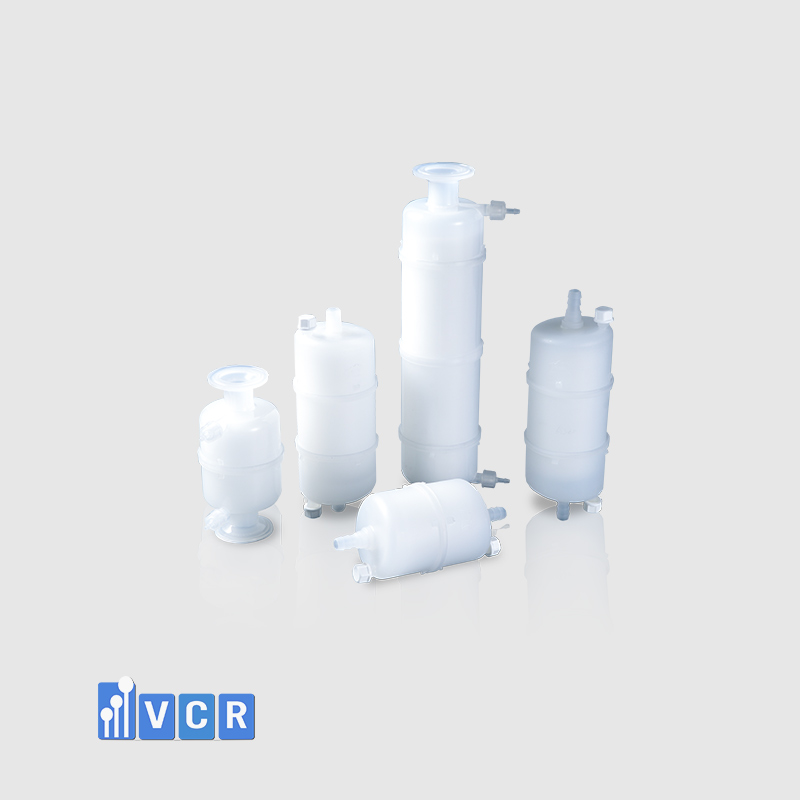
A typical configuration includes pleated media, support core, end caps, and sealing elements assembled into a cylindrical or panel form. The configuration may vary depending on whether the filter is used in air or liquid systems.
Can pleated filters be customized?
Pleated filters can be customized in terms of size, material, filtration efficiency, and structural design. Customization is often required to match specific system requirements or compliance standards in cleanroom applications.
How are pleated filters integrated into HVAC systems?
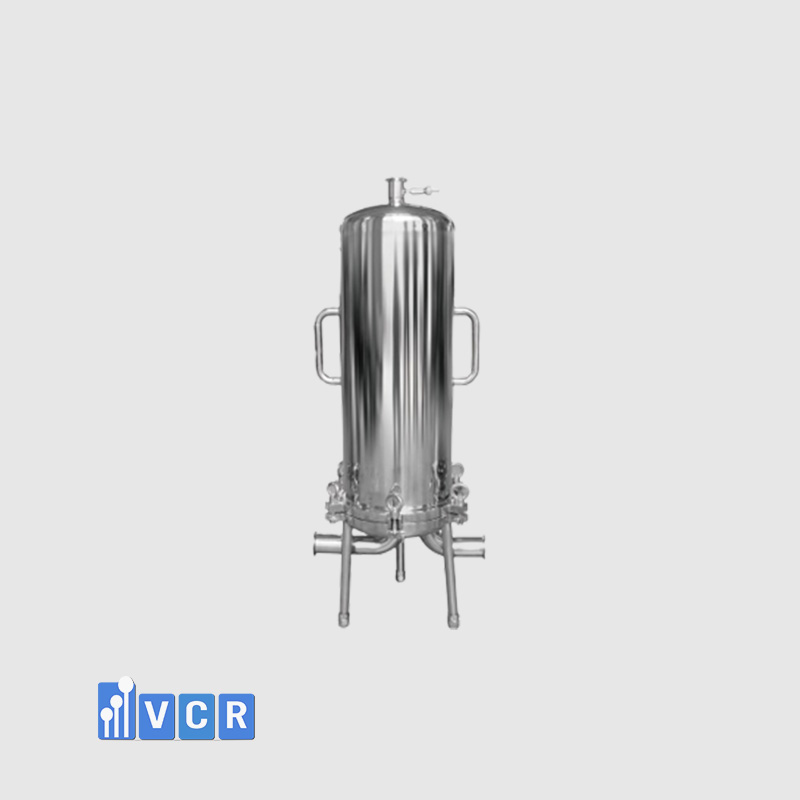
Pleated filters are integrated into HVAC systems as pre-filters or intermediate filters. They are installed in filter housings or filter banks and work in combination with higher-efficiency filters to maintain air quality and system performance.
What are the key design parameters?
Key design parameters include filtration efficiency, pressure drop, airflow capacity, material compatibility, and mechanical strength. These parameters must be optimized to ensure reliable performance in cleanroom environments.
How does pressure drop relate to design?
Pressure drop is a critical factor that reflects resistance to airflow. A well-designed pleated filter minimizes pressure drop while maintaining efficiency. Excessive pressure drop can reduce system performance and increase energy consumption.
What is the importance of uniform pleat spacing?
Uniform pleat spacing ensures even airflow distribution and prevents localized clogging. Poor spacing can lead to uneven loading, reducing filter efficiency and lifespan.
How does cartridge geometry affect performance?
The shape and dimensions of the cartridge influence airflow distribution, pressure drop, and installation compatibility. Cylindrical and panel designs are optimized for different applications and system layouts.
What is the lifespan of a pleated filter from a design perspective?
The lifespan depends on media quality, pleat design, and operating conditions. A well-designed filter maximizes dust-holding capacity and maintains performance over time, reducing replacement frequency.
How does design impact cleanroom compliance?
Filter design directly affects airflow stability, particle removal efficiency, and system integrity. Proper design ensures that the cleanroom meets ISO 14644 and GMP requirements, making it a critical factor in overall compliance.
Duong VCR