
- Which filtration efficiency should be selected for different applications?
- How to balance cost and performance when selecting filters?
- Should pleated filters be standardized across the facility?
- How to select filters based on airflow requirements?
- What factors influence filter lifespan in configuration?
- When should multi-stage filtration be used?
- How does environmental condition affect filter selection?
- What configuration is suitable for high particle load environments?
- How to select filters for energy-efficient systems?
- What role does compatibility with housing play in selection?
- Should filters be selected based on supplier or specification?
- How to determine if a filter is over-specified?
- How to ensure compliance during filter selection?
- What configuration is recommended for critical cleanroom zones?
- How to optimize filter configuration for maintenance?
- What is the impact of incorrect filter configuration?
- How to select filters for scalable systems?
- What role does data play in filter selection?
- How to align filter selection with long-term strategy?
- How to make final selection decisions?
Which filtration efficiency should be selected for different applications?
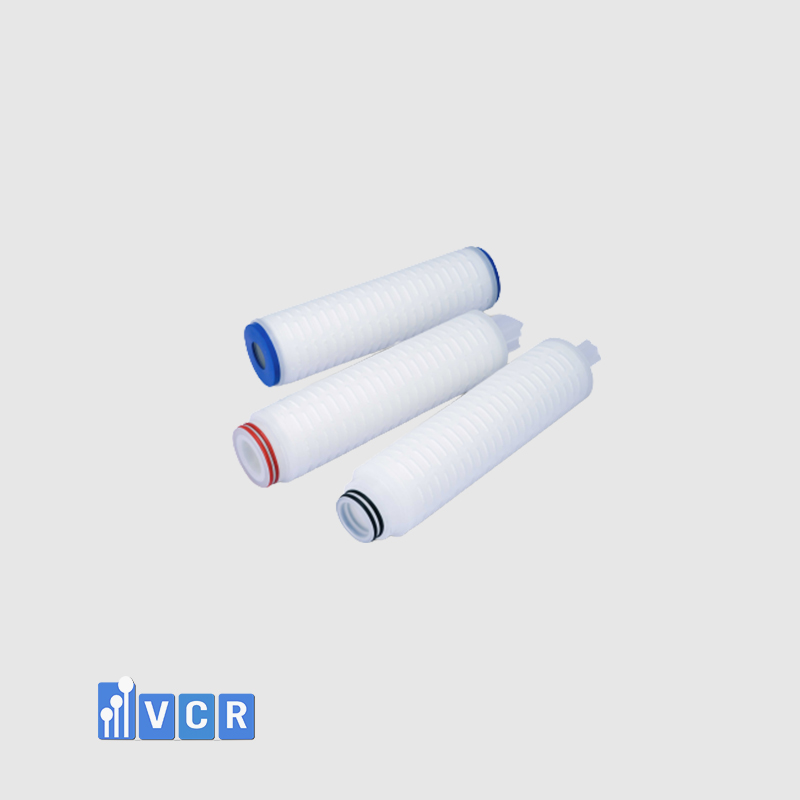
Filtration efficiency must be selected based on the required cleanliness level and the role of the pleated filter within the system. For pre-filtration in HVAC systems, medium efficiency filters are typically sufficient to remove larger particles and protect downstream HEPA filters. In more critical environments, higher efficiency media may be required to handle finer particles and stabilize system performance. The key is not to overspecify unnecessarily, but to align efficiency with the contamination control strategy, ensuring optimal balance between protection, airflow, and energy consumption.
How to balance cost and performance when selecting filters?
Balancing cost and performance requires evaluating both initial investment and long-term operational expenses. Lower-cost filters may seem attractive but can lead to higher replacement frequency, increased pressure drop, and greater energy consumption. Higher-quality filters often provide longer service life and more stable performance, reducing total cost of ownership. A lifecycle-based approach, considering maintenance intervals and system efficiency, is essential for making an informed decision.
Should pleated filters be standardized across the facility?
Standardizing pleated filters across a facility can simplify inventory management, maintenance procedures, and training. However, it must be done carefully to ensure that the selected standard meets the requirements of all applications. In some cases, different zones may require different specifications due to varying cleanliness levels or operating conditions. Standardization should therefore be balanced with technical suitability to avoid compromising system performance.
How to select filters based on airflow requirements?
Airflow requirements are a primary factor in filter selection. The filter must be capable of handling the designed airflow rate without causing excessive pressure drop. Engineers should refer to system specifications and select a filter size and configuration that supports stable airflow. Incorrect selection can lead to reduced system efficiency, unstable pressure conditions, and increased energy consumption. Proper matching ensures optimal system operation.
What factors influence filter lifespan in configuration?
Filter lifespan is influenced by particle load, airflow rate, environmental conditions, and filter design. High dust environments or continuous operation can significantly shorten lifespan. Proper configuration, including the use of pre-filters and correct sizing, can extend service life. Monitoring differential pressure helps determine the actual condition of the filter and supports predictive maintenance strategies.
When should multi-stage filtration be used?
Multi-stage filtration should be used when high levels of contamination control are required or when protecting expensive downstream filters. In cleanroom systems, pleated filters often serve as pre-filters, followed by higher-efficiency filters such as HEPA. This configuration improves overall system efficiency, reduces maintenance costs, and enhances reliability. It is especially important in GMP environments where consistent performance is critical.
How does environmental condition affect filter selection?
Environmental conditions such as temperature, humidity, and chemical exposure directly impact filter performance and durability. High humidity can weaken certain filter media, while chemical exposure may degrade materials. Selecting a filter with appropriate material properties ensures stable performance under specific operating conditions. This is particularly important in pharmaceutical and industrial applications.
What configuration is suitable for high particle load environments?
In high particle load environments, filters with larger surface area and higher dust-holding capacity should be selected. This typically involves using larger or more densely pleated cartridges, combined with effective pre-filtration. Such configurations reduce the frequency of replacement and maintain stable airflow. Proper design ensures that the system can handle heavy loads without performance degradation.
How to select filters for energy-efficient systems?
Energy-efficient systems require filters with low initial pressure drop and stable performance over time. Selecting high-quality media and optimizing filter size can reduce resistance to airflow, lowering energy consumption. Additionally, maintaining filters properly ensures that pressure drop does not increase unnecessarily. Energy efficiency should be considered alongside filtration performance during selection.
What role does compatibility with housing play in selection?
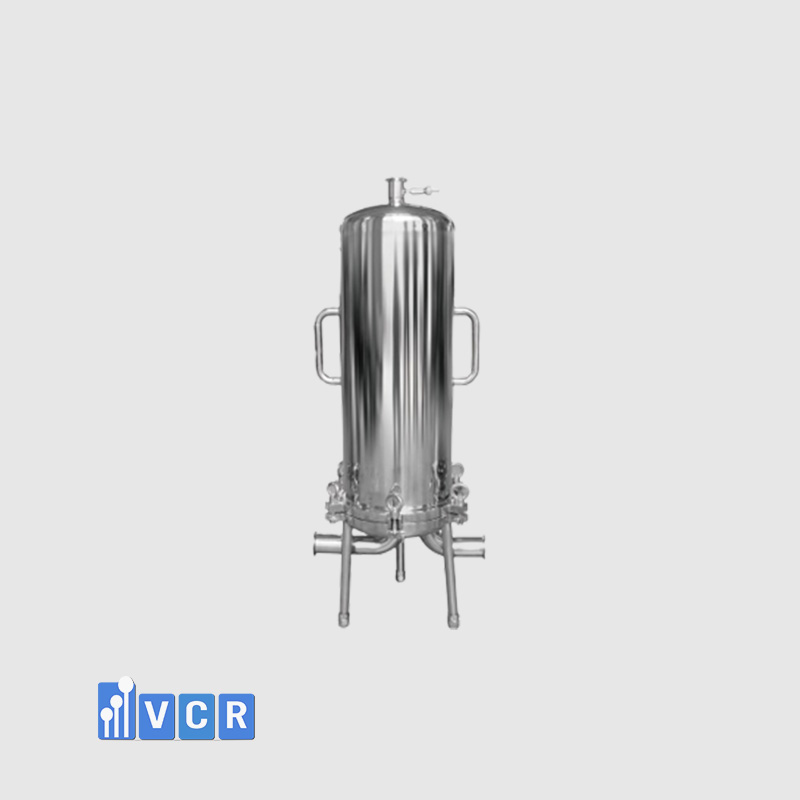
Compatibility with the filter housing is essential to ensure proper installation and sealing. Incorrect sizing or mismatched design can lead to leakage, bypass airflow, or mechanical issues. Engineers must verify dimensions, connection types, and sealing mechanisms to ensure a secure fit. Proper compatibility guarantees that the filter performs as intended within the system.
Should filters be selected based on supplier or specification?
Filters should be selected primarily based on technical specifications rather than brand alone. While supplier reputation is important, the filter must meet the required performance, material, and compliance criteria. A specification-driven approach ensures that the selected product is suitable for the application and aligns with system requirements.
How to determine if a filter is over-specified?
A filter is considered over-specified when its performance exceeds the actual requirements of the application, leading to unnecessary cost or energy consumption. Indicators include excessively low particle load, minimal performance gain compared to standard options, or increased pressure drop without clear benefit. Proper system analysis helps avoid over-specification.
How to ensure compliance during filter selection?
Compliance is ensured by selecting filters that meet relevant standards such as ISO 14644 and GMP requirements. This includes verifying material compatibility, documentation, and supplier certifications. Proper documentation and traceability must be maintained to support audit requirements. Selection decisions should be documented and justified.
What configuration is recommended for critical cleanroom zones?
In critical cleanroom zones, pleated filters should be used as part of a multi-stage filtration system supporting high-efficiency filters. The configuration must ensure stable airflow, minimal leakage, and consistent performance. Filters should be selected with high reliability and supported by proper monitoring systems. This ensures compliance with stringent environmental requirements.
How to optimize filter configuration for maintenance?
Optimizing configuration for maintenance involves selecting filters that are easy to access, replace, and monitor. Proper layout design and standardization can reduce downtime and simplify procedures. Incorporating monitoring tools such as differential pressure gauges supports predictive maintenance and improves efficiency.
What is the impact of incorrect filter configuration?
Incorrect configuration can lead to poor airflow distribution, increased pressure drop, and reduced filtration efficiency. It may also cause frequent maintenance issues and higher operational costs. In cleanroom environments, this can result in failure to meet required standards, affecting product quality and compliance.
How to select filters for scalable systems?
For scalable systems, filters should be selected with flexibility in mind, allowing for future expansion or changes in operating conditions. Modular designs and standardized components can support scalability. This approach ensures that the system can adapt without major redesign.
What role does data play in filter selection?
Operational data such as airflow, pressure drop, and particle levels provide valuable insights for filter selection. Data-driven decisions help optimize performance and reduce uncertainty. Historical data can also be used to predict future requirements and improve system design.
How to align filter selection with long-term strategy?
Filter selection should align with long-term operational goals, including cost efficiency, reliability, and compliance. Considering lifecycle cost, maintenance strategy, and system performance ensures that the chosen solution remains effective over time. A strategic approach reduces risk and supports sustainable operation.
How to make final selection decisions?
Final selection decisions should be based on a combination of technical analysis, operational requirements, and compliance considerations. All factors, including performance, cost, and compatibility, must be evaluated together. A structured decision-making process ensures that the selected filter meets both immediate and long-term needs.
Duong VCR