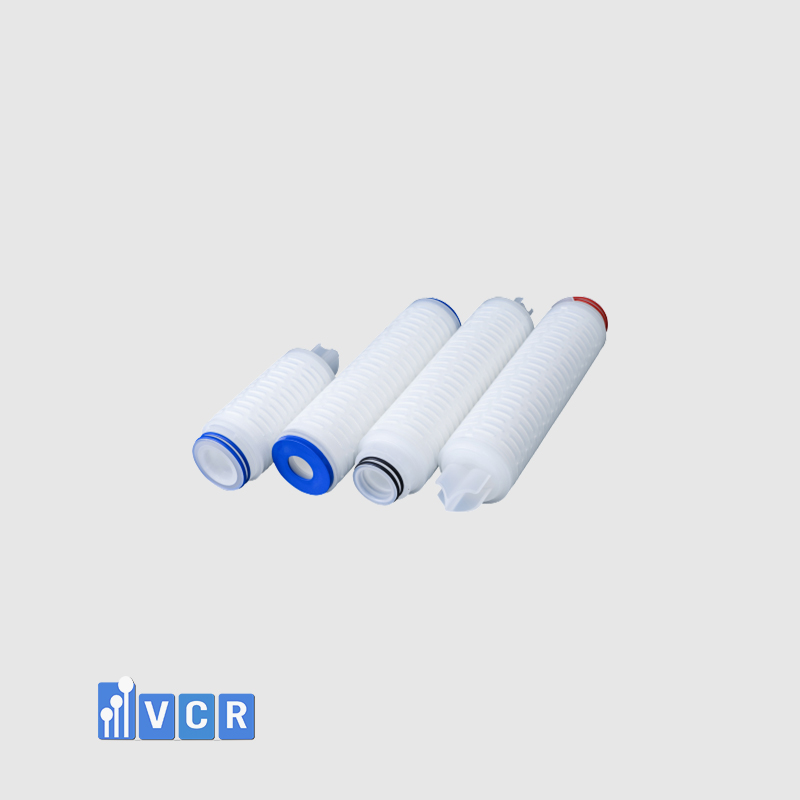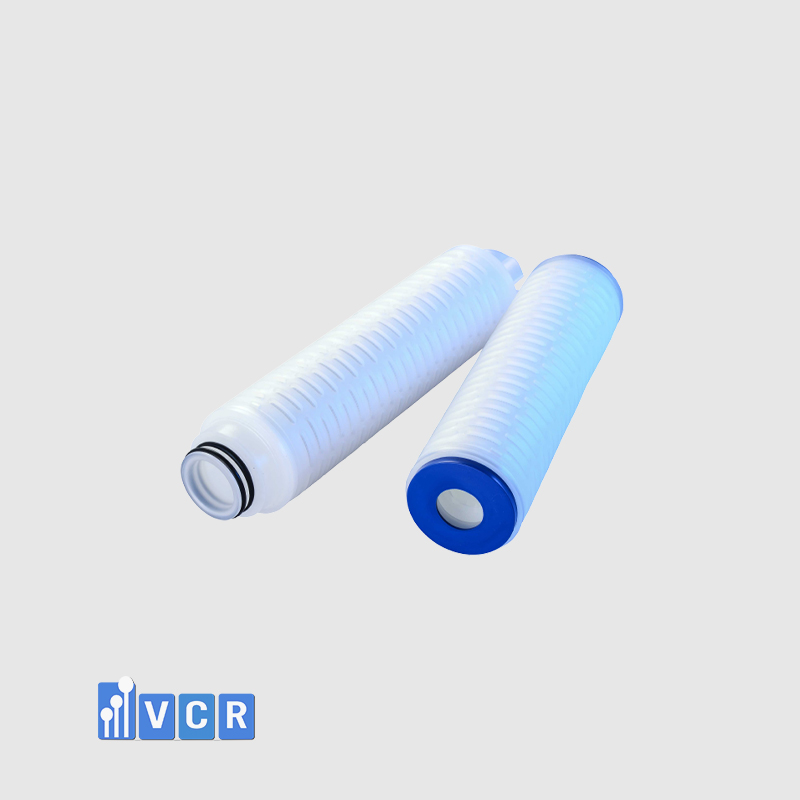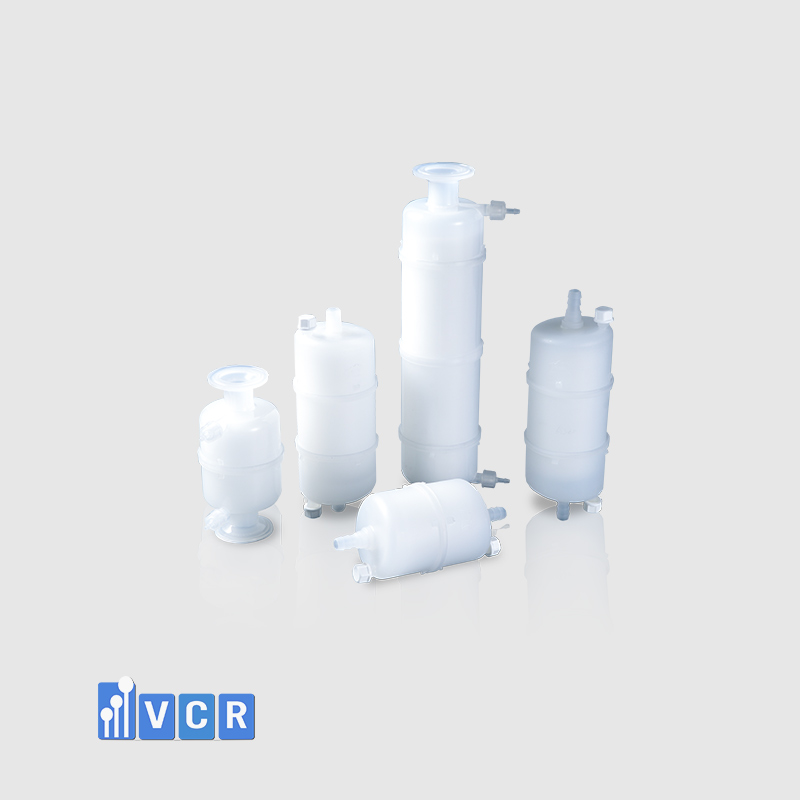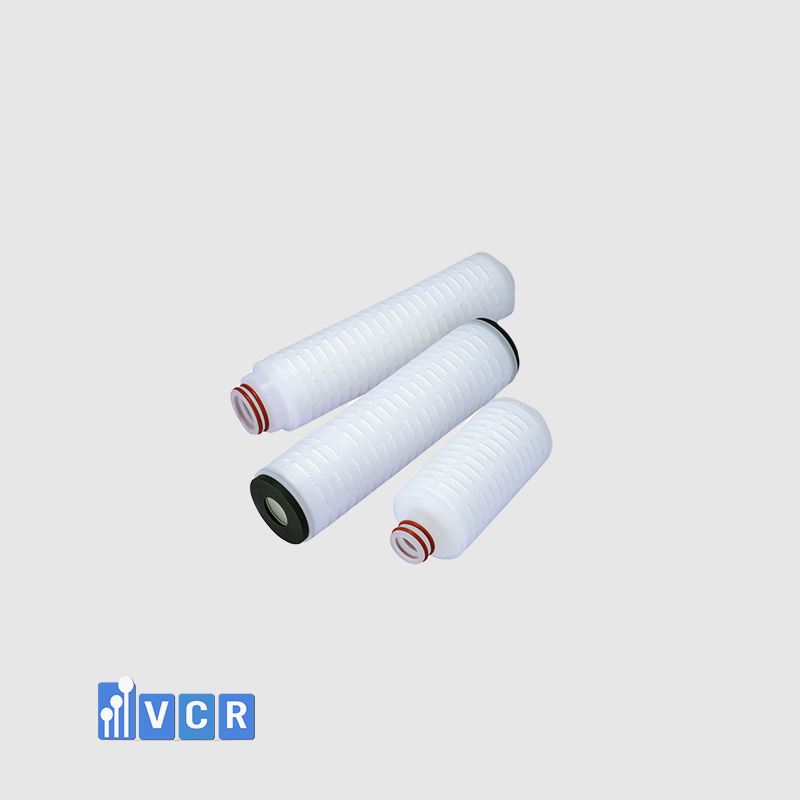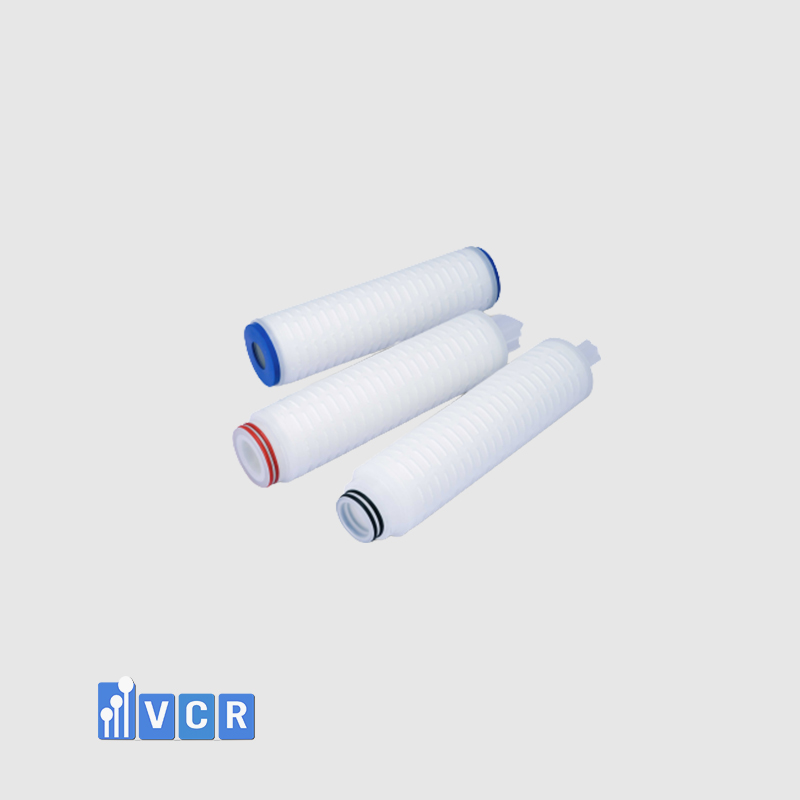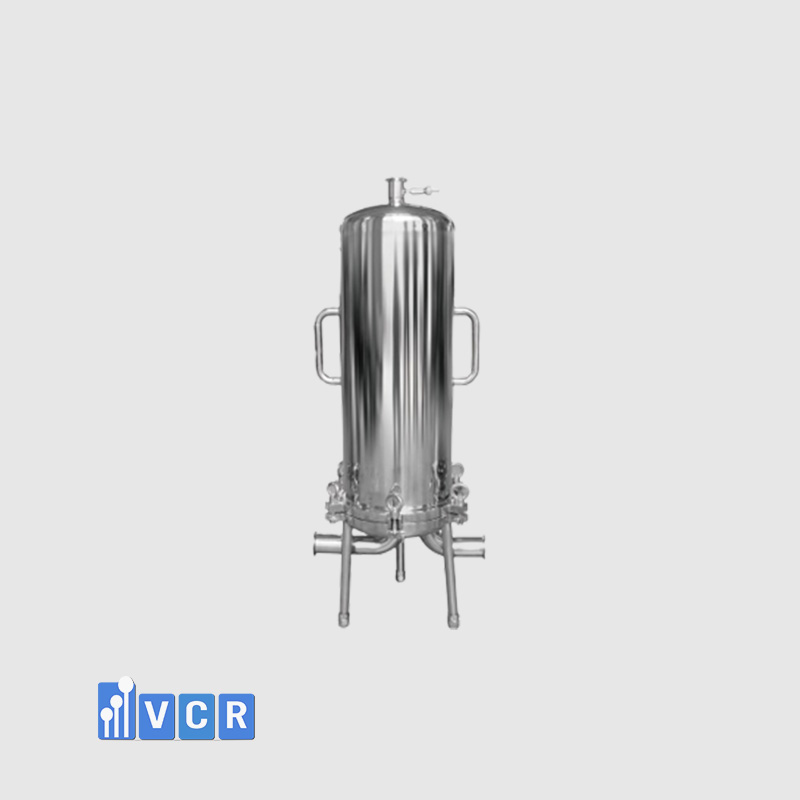
- What does a GMP audit check regarding pleated filter cartridges?
- What documentation is required for pleated filter cartridges?
- Is a Standard Operating Procedure required for pleated filters?
- How should a facility prepare for a GMP audit?
- What are common audit findings related to pleated filters?
- Do pleated filters require validation?
- What role does differential pressure play in compliance?
- Should pleated filters be uniquely identified?
- Is change control required for pleated filters?
- How are suppliers of pleated filters evaluated?
- What training is required for personnel?
- Are maintenance records mandatory?
- How is filter performance demonstrated during an audit?
- Is sealing integrity important for compliance?
- Do pleated filters impact overall audit results?
- Should pleated filters be included in risk assessments?
- How often should internal audits be conducted?
- What happens if a filter fails during operation?
- Can digital monitoring systems support compliance?
- How can continuous compliance be ensured?
What does a GMP audit check regarding pleated filter cartridges?
In a GMP audit, pleated filter cartridges are assessed as part of the contamination control strategy. Auditors examine installation integrity, correct positioning, and whether the filter supports designed airflow and pressure cascade. They also review operational data such as differential pressure and replacement records to confirm consistent control. The evaluation focuses on both physical condition and how well the filter is integrated into a documented and controlled system.
What documentation is required for pleated filter cartridges?
Required documentation includes technical datasheets, certificates of conformity, and material specifications. Installation records must define location and configuration, while maintenance logs should show replacement history and inspection results. Differential pressure records and deviation reports are also essential. These documents collectively demonstrate traceability and consistent lifecycle control.
Is a Standard Operating Procedure required for pleated filters?
A Standard Operating Procedure is required because pleated filters directly affect cleanroom performance. The SOP should define installation, inspection, maintenance, and replacement processes. It must also include acceptance criteria and responsibilities. SOPs ensure consistent execution and serve as key evidence during audits.
How should a facility prepare for a GMP audit?
Preparation involves reviewing all documentation for completeness and consistency, followed by physical verification of installed filters. Monitoring data must match actual conditions. Personnel should be trained to explain procedures and system functions. Internal audits help identify and correct gaps before official inspection.
What are common audit findings related to pleated filters?
Common findings include incomplete maintenance records, missing traceability, outdated SOPs, and inconsistencies between documents and actual conditions. Installation errors causing leakage or bypass airflow are also frequent. These issues indicate weak system control rather than isolated faults.
Do pleated filters require validation?
Pleated filters are typically validated as part of the HVAC or cleanroom system rather than individually. Their performance is verified indirectly through airflow testing, pressure monitoring, and cleanroom classification results. This approach ensures system-level compliance.
What role does differential pressure play in compliance?
Differential pressure is a key monitoring parameter that indicates filter condition and performance. Regular recording and trending demonstrate ongoing control. Sudden changes may indicate clogging or failure, making it critical for both maintenance and audit evidence.
Should pleated filters be uniquely identified?
Yes, each filter or installation point should have a unique identification code. This enables traceability, links to documentation, and simplifies maintenance tracking. Proper identification is a standard GMP expectation.
Is change control required for pleated filters?
Any change in filter type, material, or supplier must go through formal change control. This ensures that potential risks are evaluated and approved before implementation. It is essential for maintaining system stability and compliance.
How are suppliers of pleated filters evaluated?
Suppliers are evaluated based on quality systems, certifications, and consistency of supply. Documentation and product traceability are key criteria. Approved suppliers must meet GMP expectations to ensure reliable performance.
What training is required for personnel?
Personnel must be trained on filter function, SOP procedures, inspection methods, and compliance requirements. Training ensures correct handling and reduces operational errors. It is also reviewed during audits.
Are maintenance records mandatory?
Maintenance records are mandatory as they provide evidence of ongoing control. They should include dates, actions taken, and responsible personnel. These records support traceability and audit readiness.
How is filter performance demonstrated during an audit?
Performance is demonstrated through operational data such as differential pressure, airflow measurements, and cleanroom classification results. Consistent data aligned with specifications confirms proper function.
Is sealing integrity important for compliance?
Sealing integrity is critical because any leakage can allow unfiltered air to bypass the filter. Proper sealing ensures that all airflow passes through the filter media, maintaining system effectiveness.
Do pleated filters impact overall audit results?
Yes, although they are a small component, poor control of pleated filters can affect system performance and lead to audit findings. Proper management contributes to overall compliance.
Should pleated filters be included in risk assessments?
Pleated filters should be included in risk assessments because they influence contamination control. Risk evaluation helps define maintenance strategies and monitoring requirements.
How often should internal audits be conducted?
Internal audits should be conducted regularly, typically annually or more frequently depending on risk level. They help identify gaps and ensure continuous compliance.
What happens if a filter fails during operation?
If a filter fails, it must be replaced immediately and the incident documented. Root cause analysis should be performed to prevent recurrence. This is critical for maintaining compliance.
Can digital monitoring systems support compliance?
Digital systems such as BMS can track differential pressure and airflow in real time. They improve monitoring accuracy and provide reliable audit data. This enhances overall system control.
How can continuous compliance be ensured?
Continuous compliance is achieved through consistent documentation, regular maintenance, trained personnel, and ongoing monitoring. Aligning procedures with actual operations ensures the system remains audit-ready at all times.
Duong VCR