
- Why is the pleated filter cartridge not working properly?
- What should be done if the filter fails?
- Why does the system show a high differential pressure alarm?
- Why is airflow reduced in the system?
- What causes bypass leakage in pleated filters?
- How to perform a quick troubleshooting check?
- Why does the filter clog faster than expected?
- What causes unusual noise in the HVAC system?
- Why is the cleanroom failing classification?
- What happens if the filter is installed incorrectly?
- How to identify a damaged filter?
- Why does the filter collapse under pressure?
- What causes inconsistent pressure readings?
- How to handle repeated filter failures?
- Why is energy consumption increasing?
- What should be checked before replacing a filter?
- When should technical support be called?
- How to prevent common filter issues?
- What role does monitoring play in troubleshooting?
- How to ensure long-term system stability?
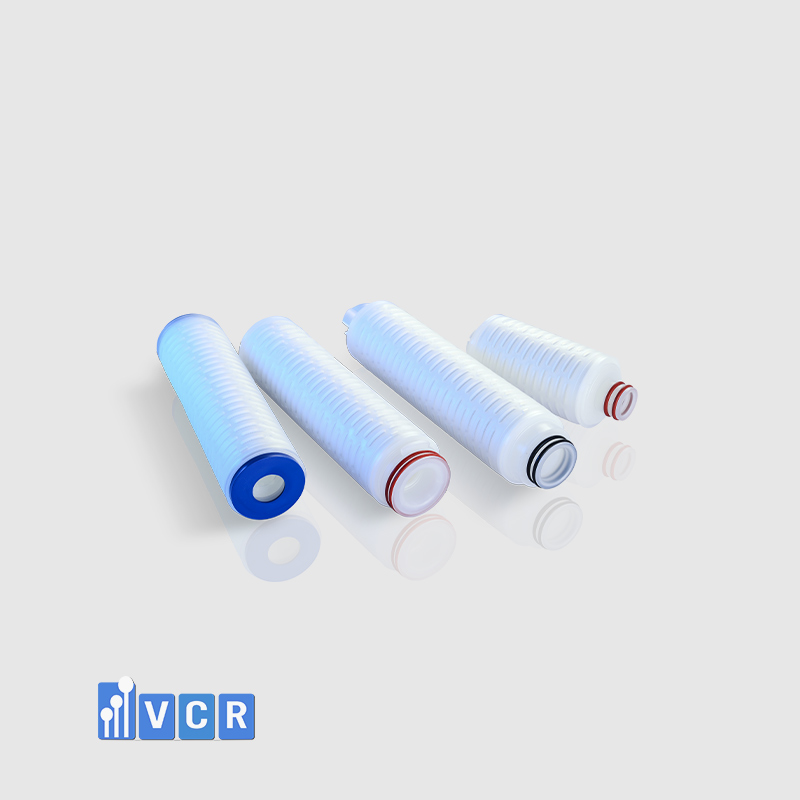
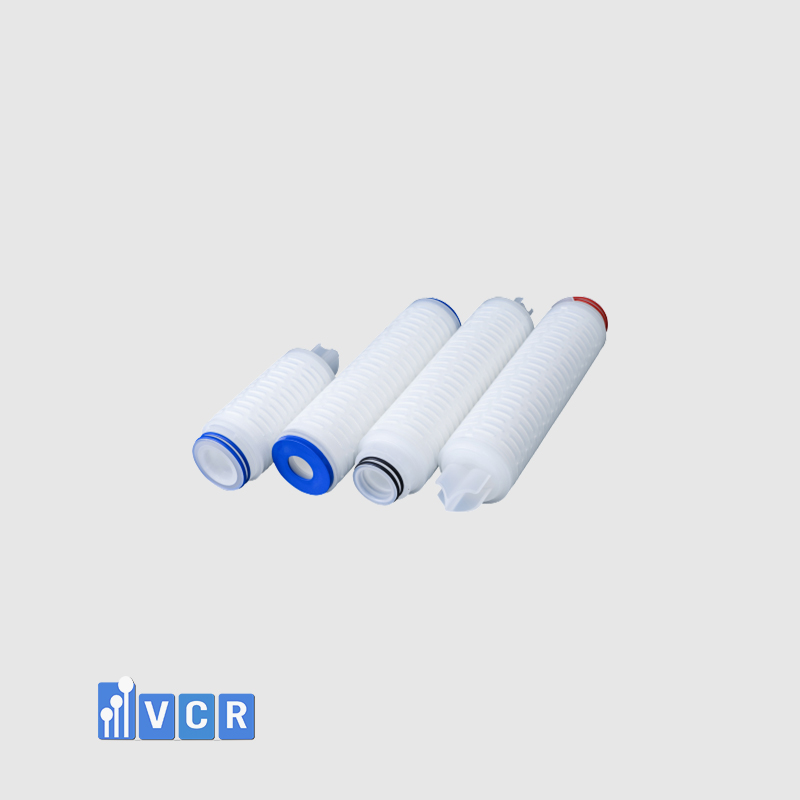
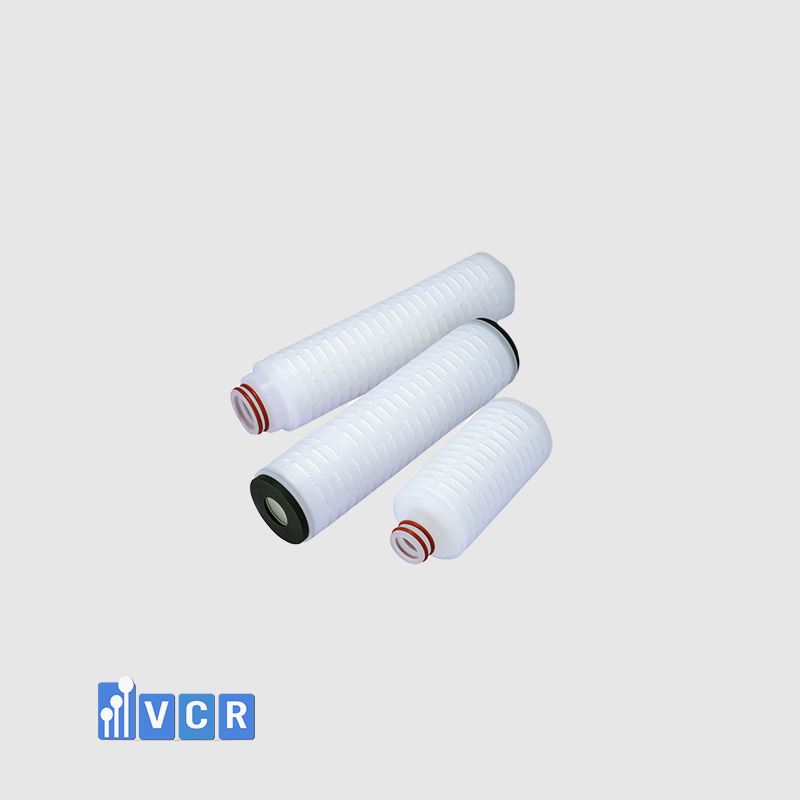
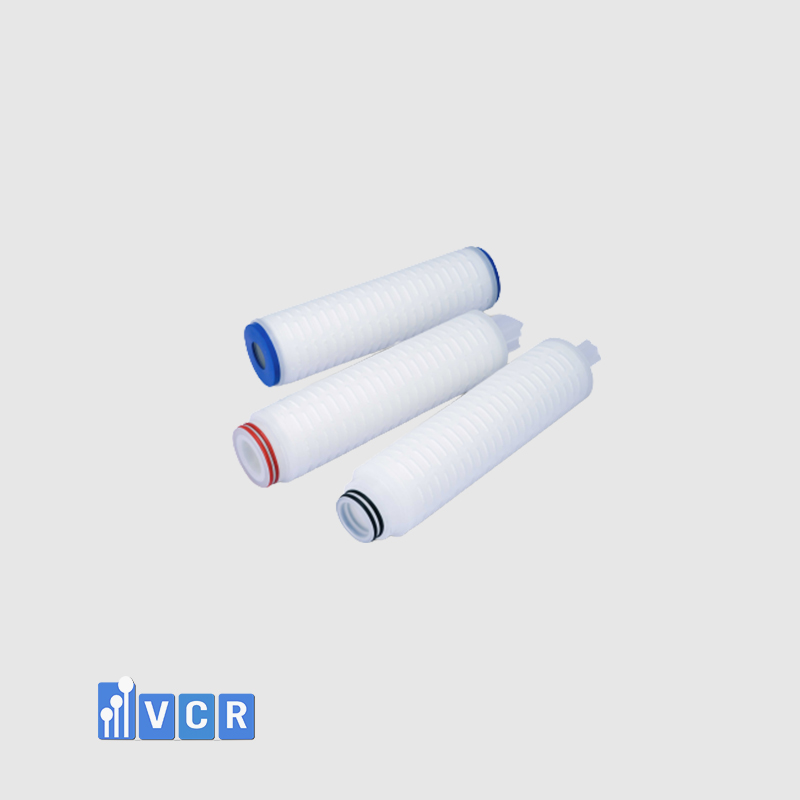
Why is the pleated filter cartridge not working properly?
When a pleated filter cartridge does not perform as expected, the issue is usually related to clogging, incorrect selection, or installation problems. Excessive particle load can quickly block the filter media, increasing differential pressure and reducing airflow. Incorrect specifications may result in mismatch with system requirements, while improper installation can cause leakage or bypass airflow. Environmental factors such as humidity or chemical exposure can also degrade the filter. A systematic review of operating data is required to identify the root cause.
What should be done if the filter fails?
If the filter fails, it should be replaced immediately to prevent system contamination or performance loss. Before replacement, the failure should be documented and analyzed to identify the root cause. If the issue is related to installation or sealing, corrective actions must be implemented. Proper handling ensures minimal disruption and prevents recurrence.
Why does the system show a high differential pressure alarm?
A high differential pressure alarm usually indicates that the filter is clogged and airflow resistance has increased. This is a normal indicator that the filter is reaching the end of its service life. However, sudden spikes may suggest abnormal conditions such as unexpected contamination or system imbalance. Immediate inspection is required to confirm the cause.
Why is airflow reduced in the system?
Reduced airflow is often caused by filter clogging, incorrect sizing, or system imbalance. As the filter becomes loaded with particles, resistance increases and airflow decreases. Other factors such as fan issues or duct blockage may also contribute. Checking both the filter and the system is necessary to identify the exact cause.
What causes bypass leakage in pleated filters?
Bypass leakage occurs when air flows around the filter instead of through it. This is usually caused by poor sealing, damaged gaskets, or incorrect installation. Leakage reduces filtration efficiency and can compromise cleanroom conditions. Ensuring proper sealing is critical.
How to perform a quick troubleshooting check?
A quick check should include reviewing differential pressure, inspecting airflow, and conducting a visual inspection of the filter. Checking sealing integrity and installation position is also important. This rapid assessment helps identify the most likely issue.
Why does the filter clog faster than expected?
Faster clogging may be caused by higher particle load, absence of effective pre-filtration, or unsuitable filter selection. Environmental conditions such as humidity can also affect performance. Identifying the cause helps optimize system configuration.
What causes unusual noise in the HVAC system?
Unusual noise may result from increased airflow resistance due to a clogged filter. It can also indicate system imbalance or fan strain. Investigating both the filter and the system is necessary to resolve the issue.
Why is the cleanroom failing classification?
If the cleanroom fails classification, the filter may not be performing effectively. Possible causes include clogging, leakage, or incorrect configuration. However, other system components should also be checked. A comprehensive evaluation is required.
What happens if the filter is installed incorrectly?
Incorrect installation can lead to leakage, reduced efficiency, and system instability. Air may bypass the filter, compromising cleanliness. Proper installation procedures must always be followed.
How to identify a damaged filter?
A damaged filter can be identified through visual inspection, showing tears, deformation, or discoloration. Performance indicators such as abnormal pressure or airflow changes also suggest damage. Immediate replacement is required.
Why does the filter collapse under pressure?
Filter collapse can occur due to excessive pressure, weak structure, or improper support. Selecting the correct filter design and ensuring proper installation prevents this issue.
What causes inconsistent pressure readings?
Inconsistent pressure readings may be caused by faulty sensors, system fluctuations, or unstable airflow. Calibration of measurement devices may be required. Accurate data is essential for troubleshooting.
How to handle repeated filter failures?
Repeated failures indicate underlying system issues such as incorrect selection, poor maintenance, or environmental problems. Root cause analysis and corrective actions are necessary to resolve the issue permanently.
Why is energy consumption increasing?
Increased energy consumption is often linked to higher pressure drop caused by clogged filters. The system requires more power to maintain airflow. Regular maintenance helps prevent this issue.
What should be checked before replacing a filter?
Before replacement, check differential pressure, airflow, and installation conditions. Confirm that the filter is the actual cause of the issue. This avoids unnecessary replacement.
When should technical support be called?
Technical support should be called when the issue cannot be resolved through standard troubleshooting or when system performance continues to degrade. Complex problems require expert analysis.
How to prevent common filter issues?
Preventive measures include proper selection, regular maintenance, and monitoring of system parameters. Using pre-filters and maintaining stable conditions also helps reduce issues.
What role does monitoring play in troubleshooting?
Monitoring provides real-time data that helps identify issues early. Parameters such as pressure and airflow are critical for diagnosing problems and preventing failures.
How to ensure long-term system stability?
Long-term stability requires consistent monitoring, proper maintenance, and continuous improvement. Aligning system design with operational conditions ensures reliable performance over time.
Duong VCR